6. Other curious points you might come across
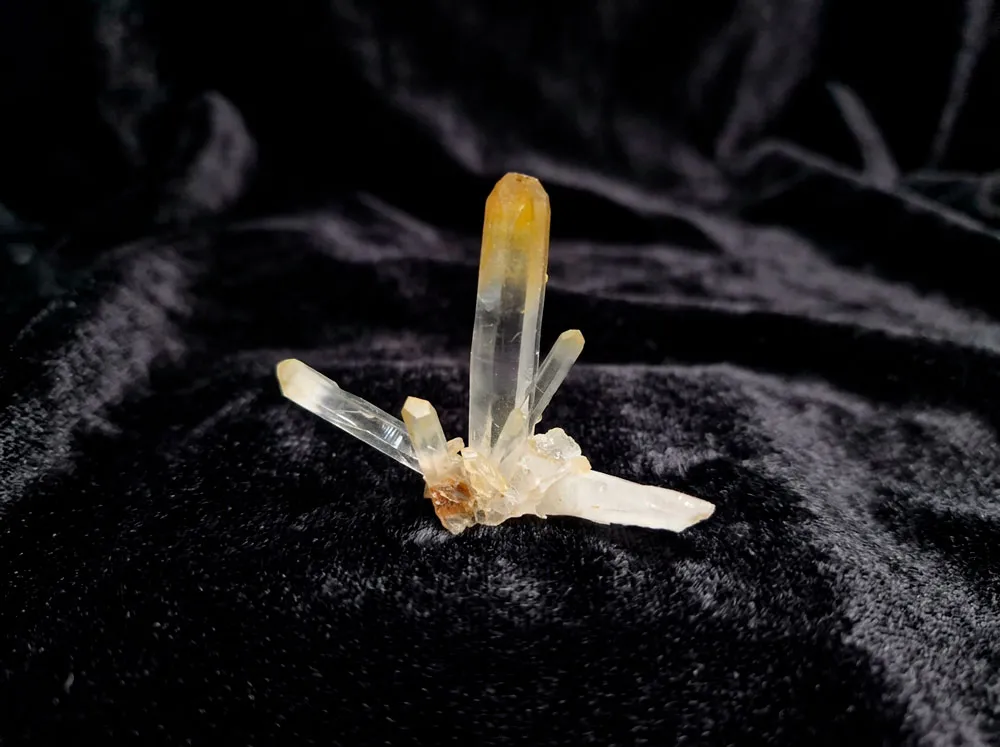
A crystal's growth is almost never perfectly smooth: it stops, starts again, the water conditions change... and all of that leaves a mark. A few variations you might run into:
- Generator crystal. Its six faces meet in an especially symmetrical, clean way at a single central point. It's essentially the "textbook" example of how a point should turn out.
- Phantom quartz. Inside, you can see the outline of another, smaller crystal, complete with its own point, like a ghostly silhouette trapped within. This happens when growth pauses, a thin layer of another mineral settles over that shape, and then the quartz keeps growing over the top, "remembering" the earlier form.
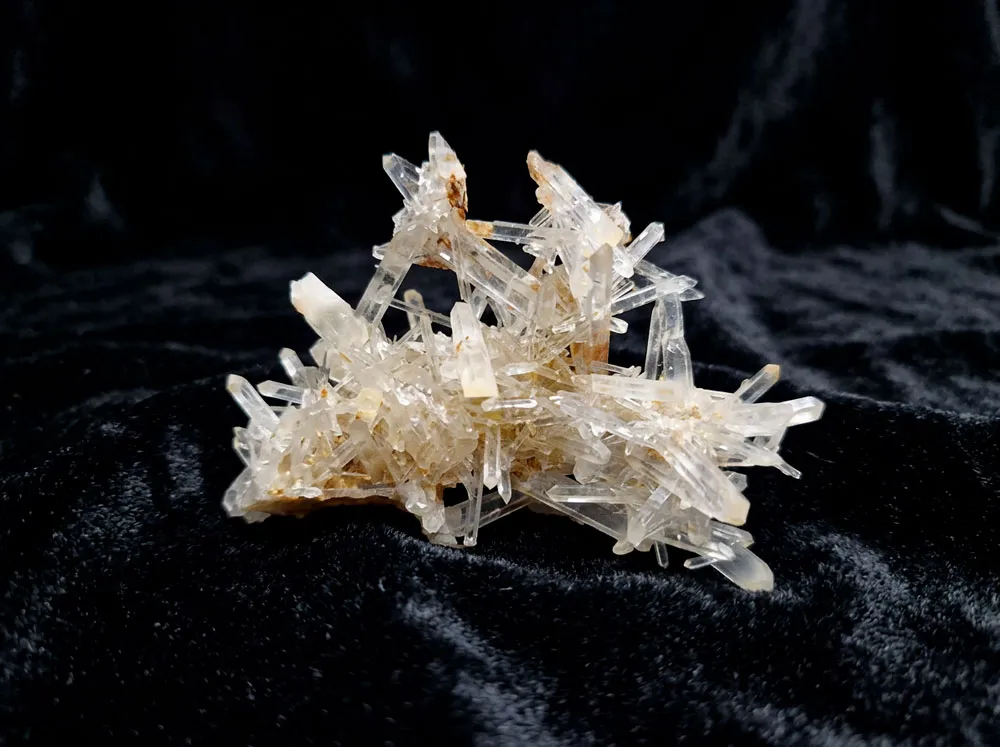
- Elestial quartz. Instead of a single clean point, it has lots of small, stepped points, the result of growth being interrupted several times in a row.
- Isis face. One of the point's faces is larger and five-sided instead of the usual triangular shape. It's just a natural variation in how the faces distributed themselves, not a different type of quartz.
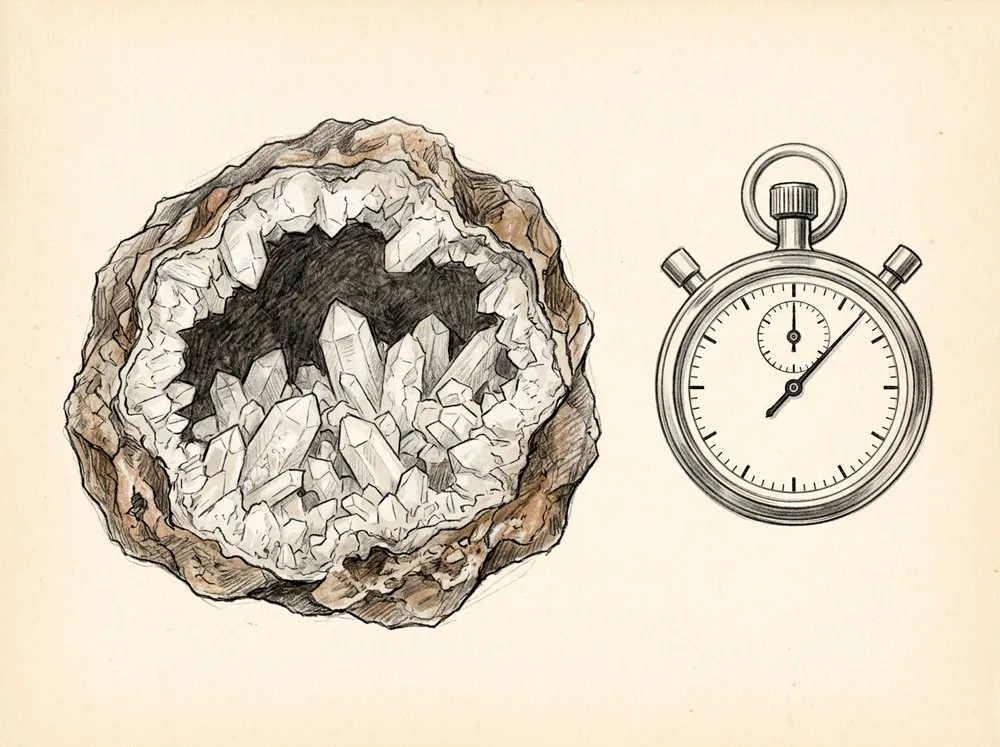
Every clear quartz point is the same atomic equation, solved billions of times over, with water and time as its only ingredients.
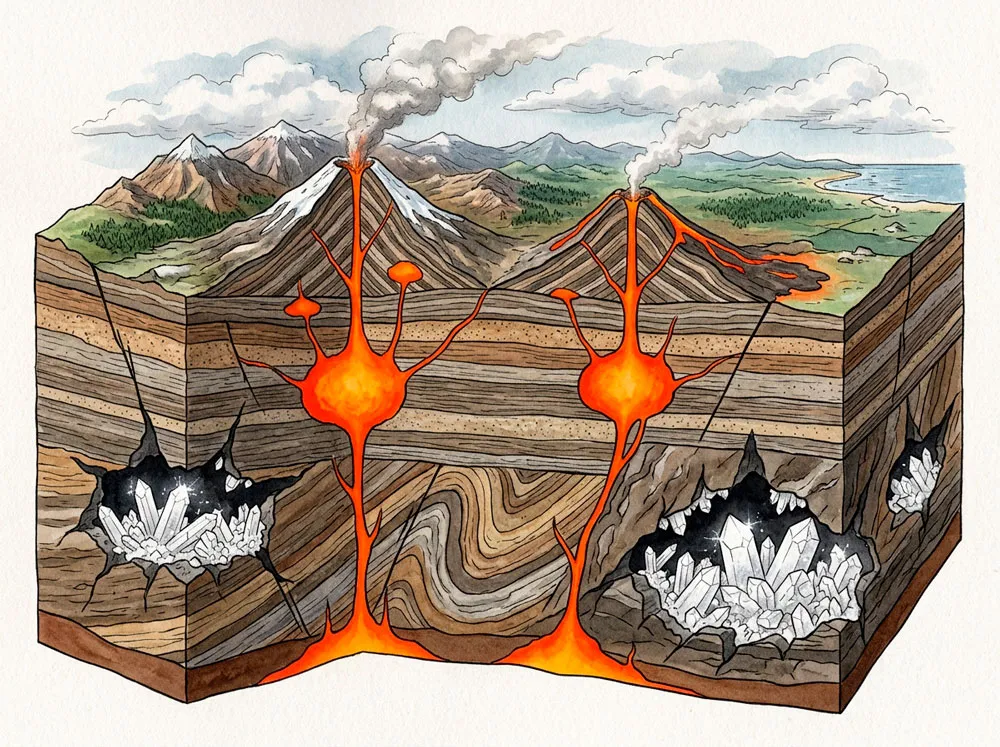
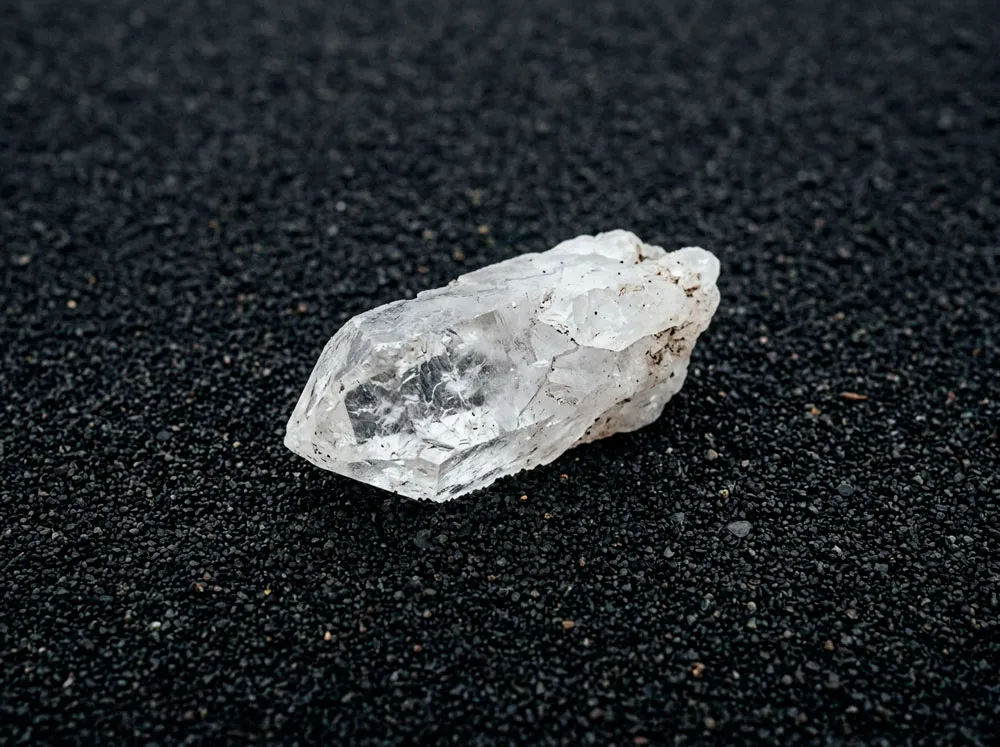
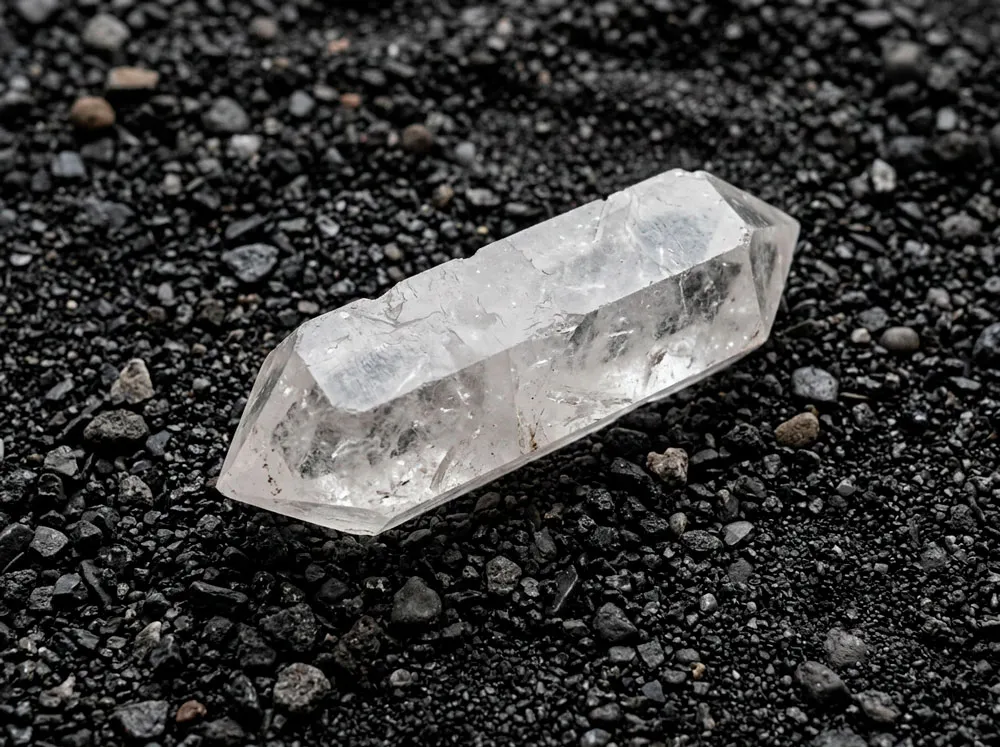
In summary: clear quartz forms when hot water loaded with dissolved silica cools inside a crack or cavity and deposits quartz layer by layer; for it to come out large and transparent, it needs open space, plenty of time, and a steady supply of silica; and its point always has that same six-faced "little roof" shape because that's exactly, without exception, how its atoms organise themselves as they grow. If the crystal grew attached to the rock, it ends up with a single point; if it grew free and suspended, it can end up with both.

 670-61-16-63 cmd@cristalljoia.com In the heart of Barcelona and online