
 670-61-16-63 cmd@cristalljoia.com In the heart of Barcelona and online
Shopping Cart
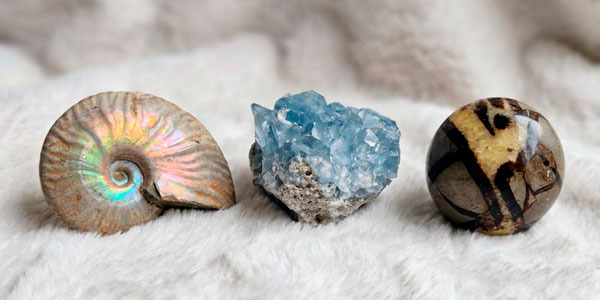
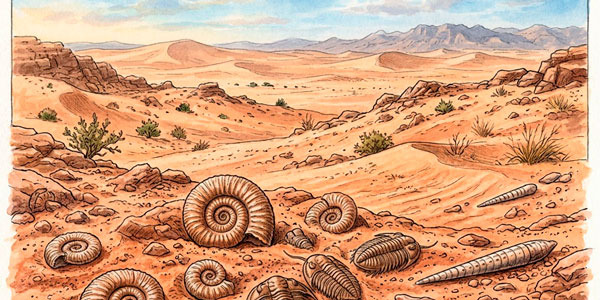
Why are there so many fossils in Morocco?
Extraordinary fossils reach us from Morocco all the time — why is that?
Read more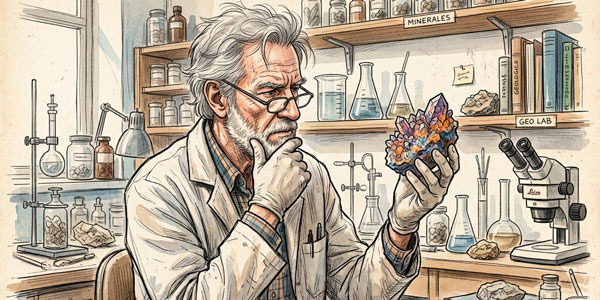
Where do mineral names come from?
Amethyst, hematite, labradorite... every mineral name tells a story.
Read more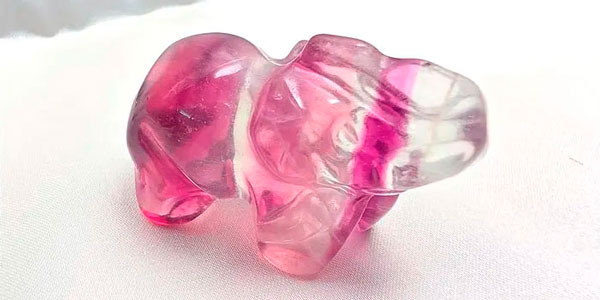
Fluorite Colors: The Science Behind Them
Fluorite doesn't "have" a color: it becomes that color.
Read more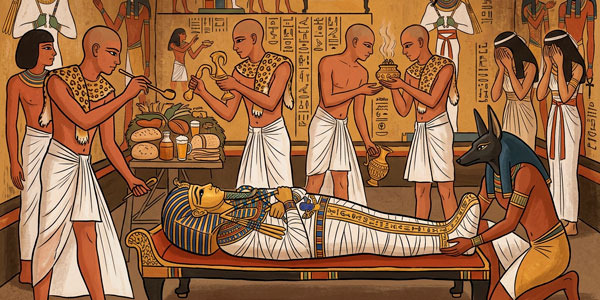
Minerals in Ancient Egypt
Cleopatra's eye makeup, the mineral that mummified pharaohs, and the stone that traveled 4,000 km to reach Egypt. The real chemistry behind the myth.
Read more
Uses of Minerals: Beyond Decoration and Jewelry
From jewelry to the operating room: discover what the minerals we love for their beauty are really used for.
Read more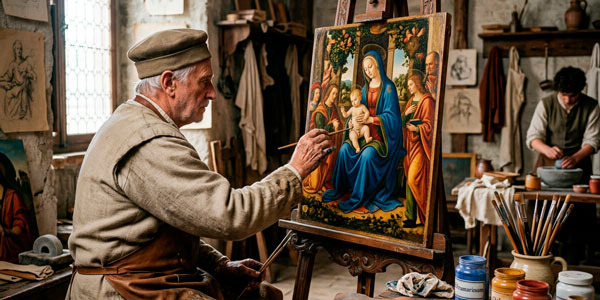
Why Lapis Lazuli Was More Expensive Than Gold in the Renaissance
In the Renaissance, this blue was worth more than gold: ultramarine, made from lapis lazuli found in only one place on Earth.
Read more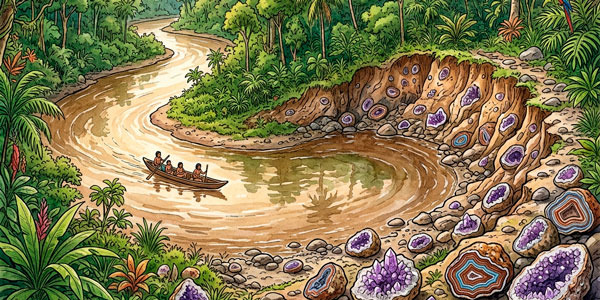
Why are there such beautiful minerals in Brazil?
Brazil doesn't have one secret for beautiful gems. It has three. Billion-year-old rock, volcanoes that buried half the country in lava, and stones that transform from the inside without ever melting.
Read more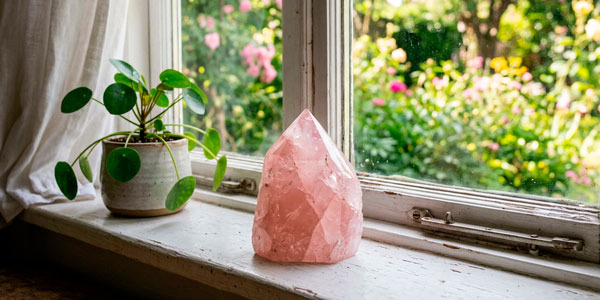
How should I take care of my mineral?
We'll explain how to take care of your mineral so it lasts forever.
Read more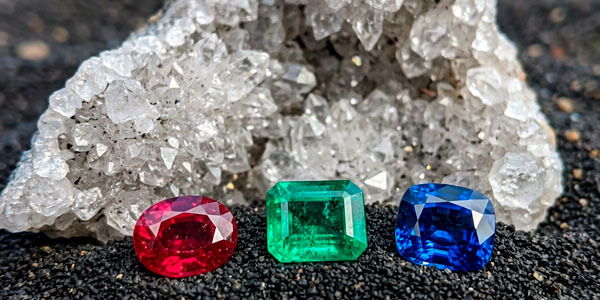
Not all minerals are gems, and not all gems are minerals
In this post, we explain the difference between a gem and a mineral
Read more