What chalcedony really is
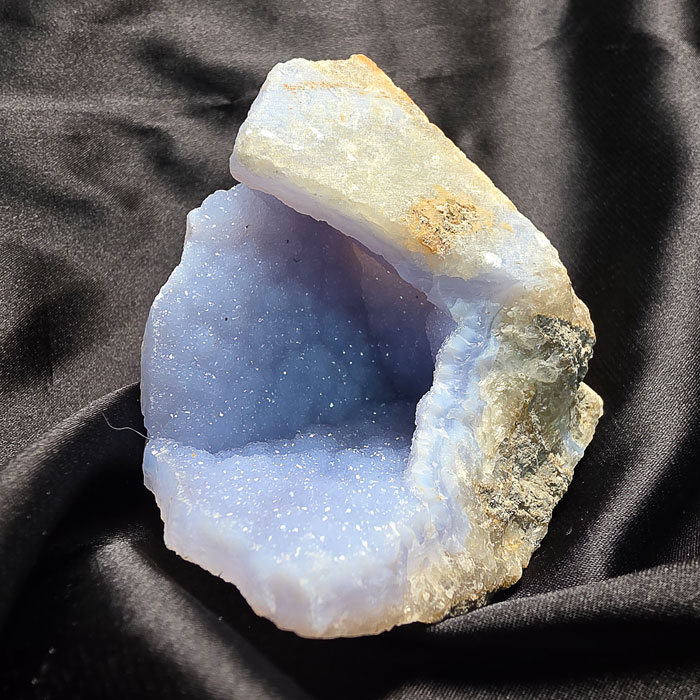
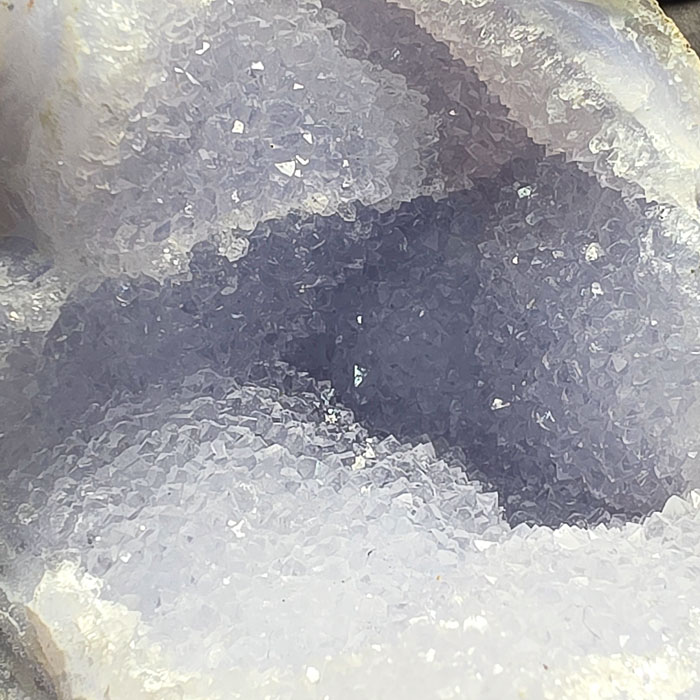
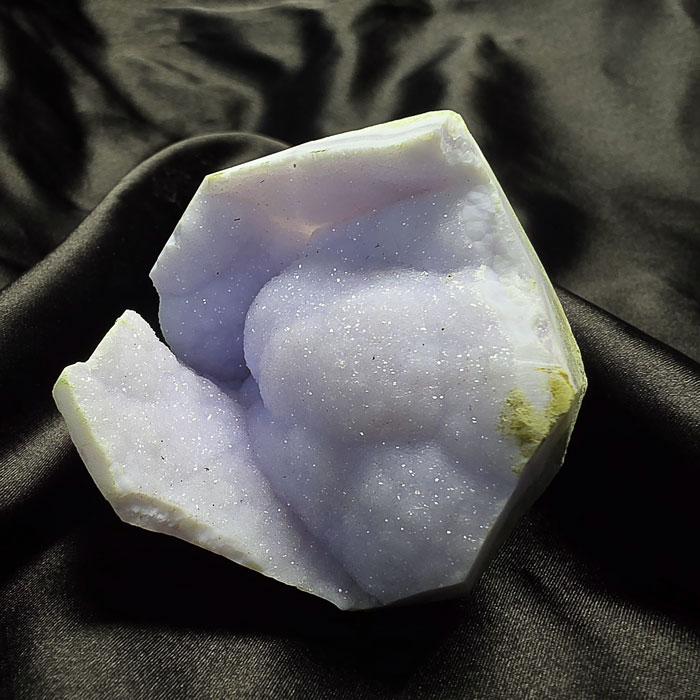
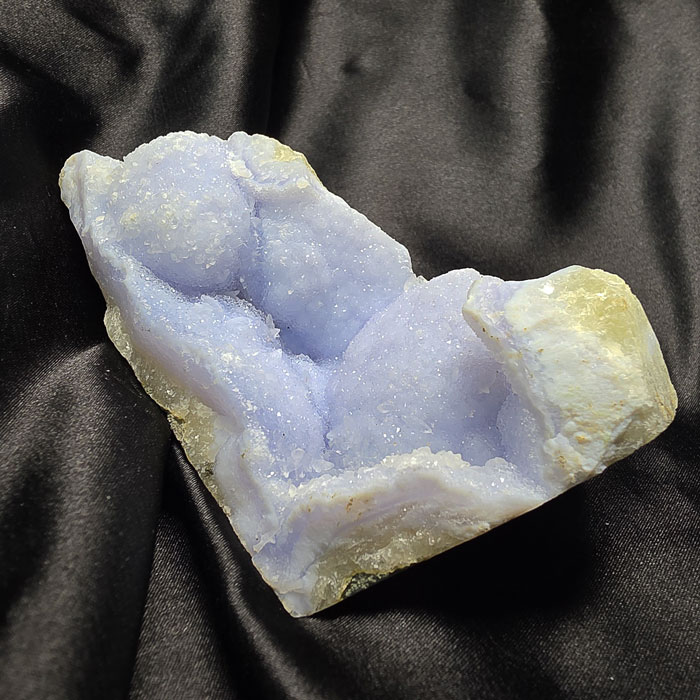
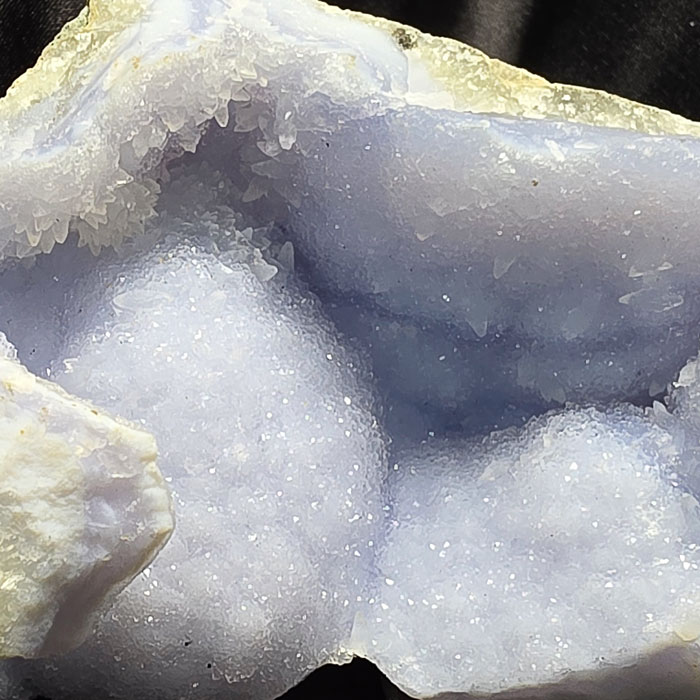
From a general point of view, chalcedony is a variety of quartz, one of the most common minerals in the Earth’s crust. It shares the same basic composition, although its appearance and visual behaviour are different.
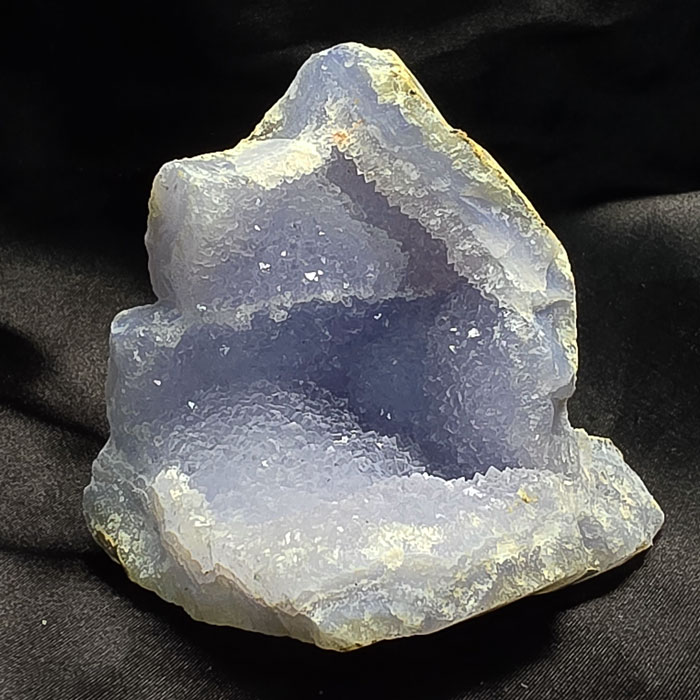
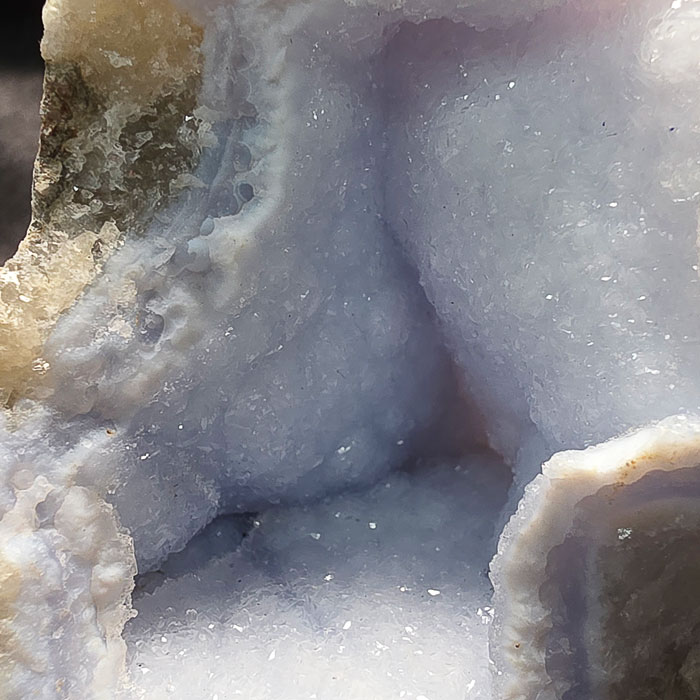
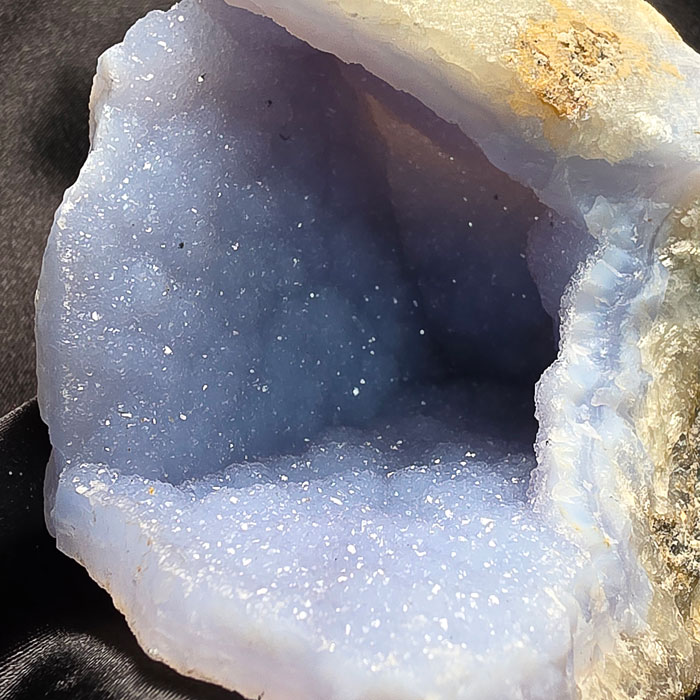
Instead of forming visible, well-defined crystals, it appears as a compact mass with a very fine grain, in which individual crystals cannot be distinguished with the naked eye.
Visually, it is usually translucent and displays a soft, silky sheen when well polished. It can occur in a wide range of colours, such as milky whites, greys, bluish tones, or browns.
In some cases, it shows natural bands or colour combinations. This chromatic variety, together with its strength and uniform texture, explains why it has been so highly valued over time, even without resorting to complex mineralogical explanations.
A stone of everyday life in ancient civilizations
In Antiquity, chalcedony was a material in common use, especially in contexts where a stone was needed that was both hard and workable. Thanks to this balance, it was commonly used to produce different types of objects.
- Personal seals and signet rings, used to mark documents or goods.
- Decorative engravings, both in relief and intaglio, very common in the Greco-Roman world.
- Ornamental objects, such as beads, pendants, and small items of jewellery.
- Amulets and symbolic elements, to which protective or social values were attributed.
The presence of these objects in archaeological sites shows that it was not an exceptional stone reserved for a few, but rather a relatively accessible material, integrated into daily life and the artistic expression of many ancient cultures.
Chalcedony in the modern world
Today, chalcedony continues to play a relevant role, although its use is mainly concentrated in aesthetic and artisanal fields. It is commonly found in jewellery, cut en cabochon for rings, earrings, bracelets, or necklaces.
Its smooth surface and soft colour work well in both classic and contemporary designs. In addition, it is used in decorative objects and handcrafted pieces, where its durability and natural appearance are highly valued.
Although it no longer fulfils practical functions as it did in Antiquity, its visual appeal and long tradition ensure that it remains a valued stone, linking modern use with a history that goes back thousands of years.

 670-61-16-63 cmd@cristalljoia.com In the heart of Barcelona and online