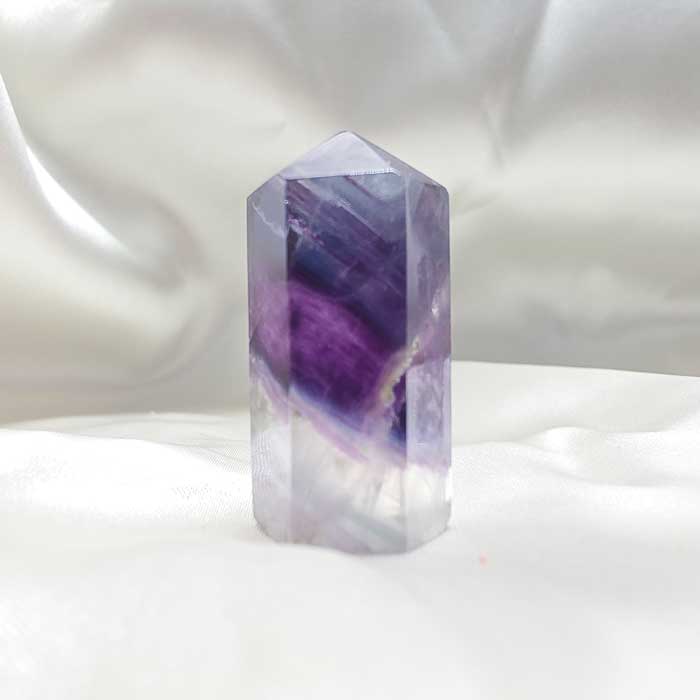
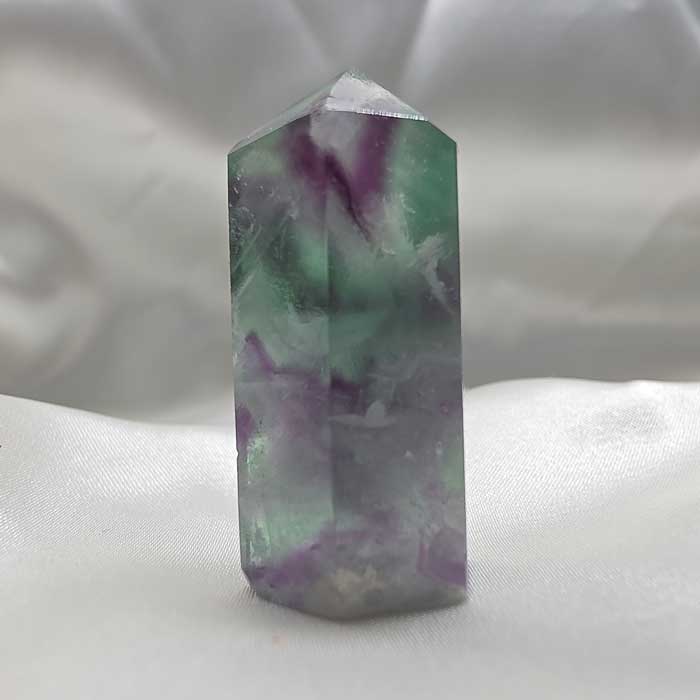
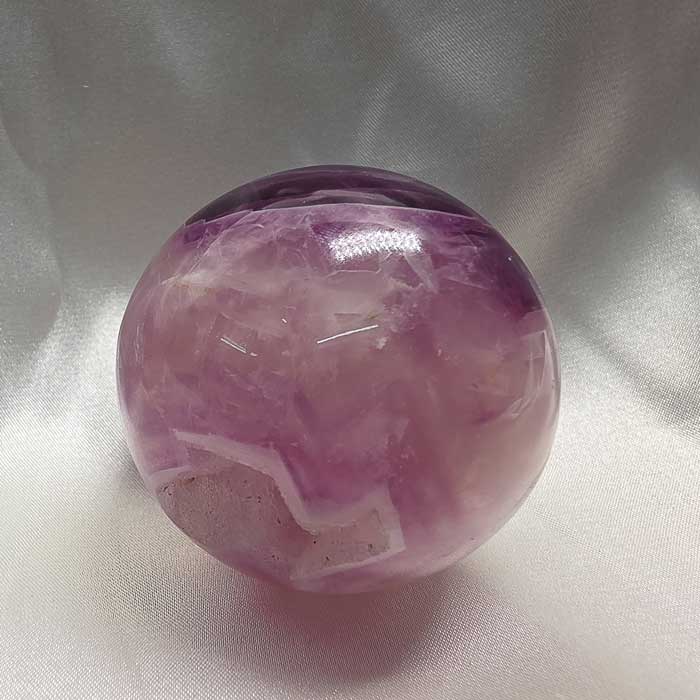
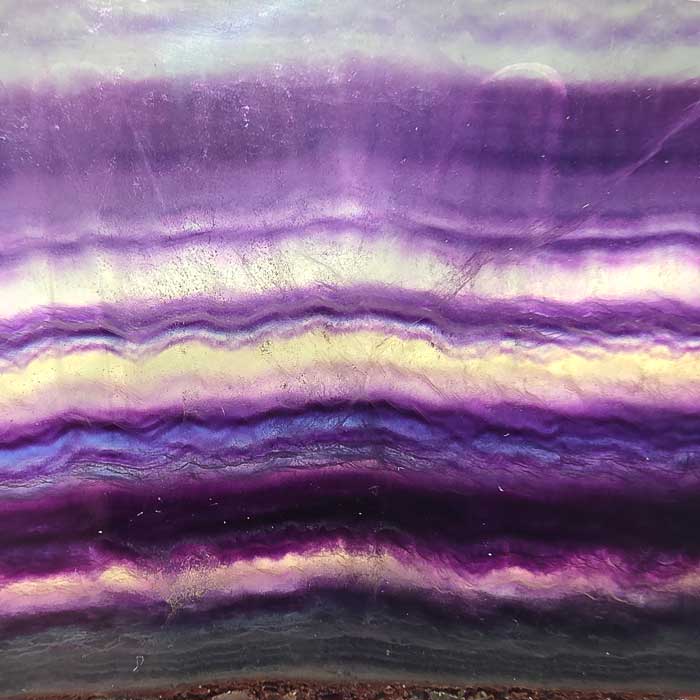
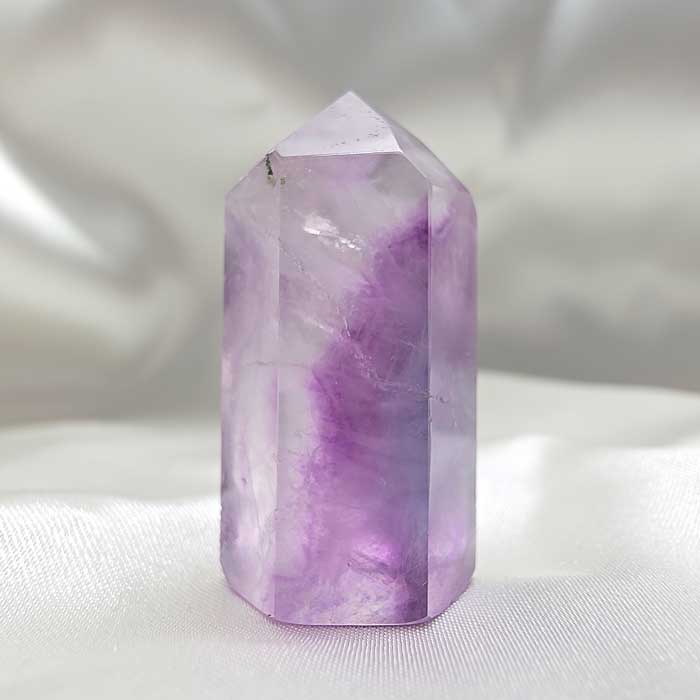
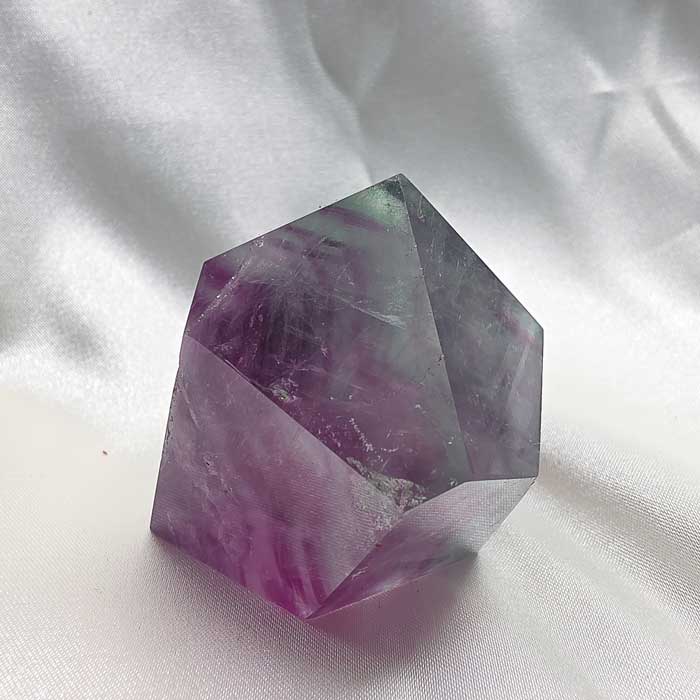
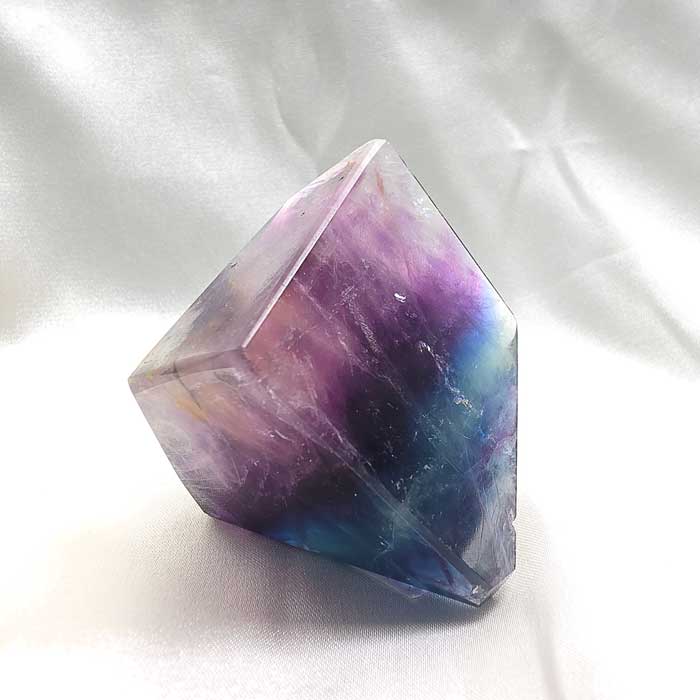
Fluorite: history, formation and uses of an exceptional mineral
Fluorite is a mineral known for over two thousand years and highly valued across different civilizations. In ancient Rome, it was used to create luxury objects known as “murrine vessels”, intricately carved pieces that symbolized wealth and status. The writer Pliny the Elder described these objects in his Natural History, highlighting their rarity and high value. It is believed that the emperor Nero paid enormous sums for a single fluorite cup.
Formation and properties
This mineral forms when hot, mineral-rich fluids move through cracks in rock and slowly cool, creating well-defined cubic crystals. It can be found in deposits across Europe, China, Mexico, and the United States.
On the Mohs scale, fluorite has a hardness of 4, making it relatively soft. This made it easier to carve in ancient times, but it also means it can be scratched easily and requires careful handling.
Documented uses in antiquity
- Production of Roman murrine cups, considered luxury items.
- Decorative objects in Roman villas and palaces.
- Ornamental carvings in ancient China, especially during imperial dynasties.
- Use as a flux in metallurgy during the Middle Ages.
Historical pieces and real examples
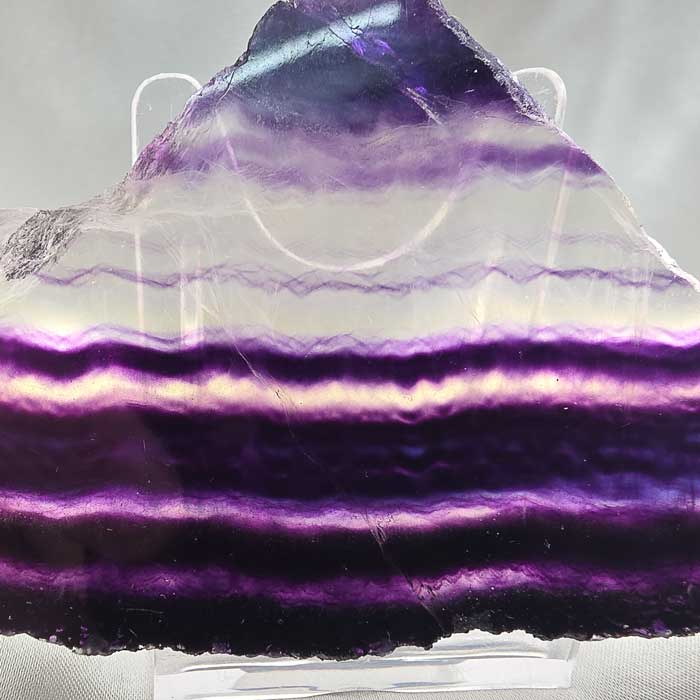
Some artifacts associated with fluorite or similar materials are preserved in institutions such as the British Museum and the Louvre Museum, where ancient vessels linked to “murrine” are displayed. Although there is some debate about their exact composition, many studies associate them with minerals like fluorite due to their banding and coloration.
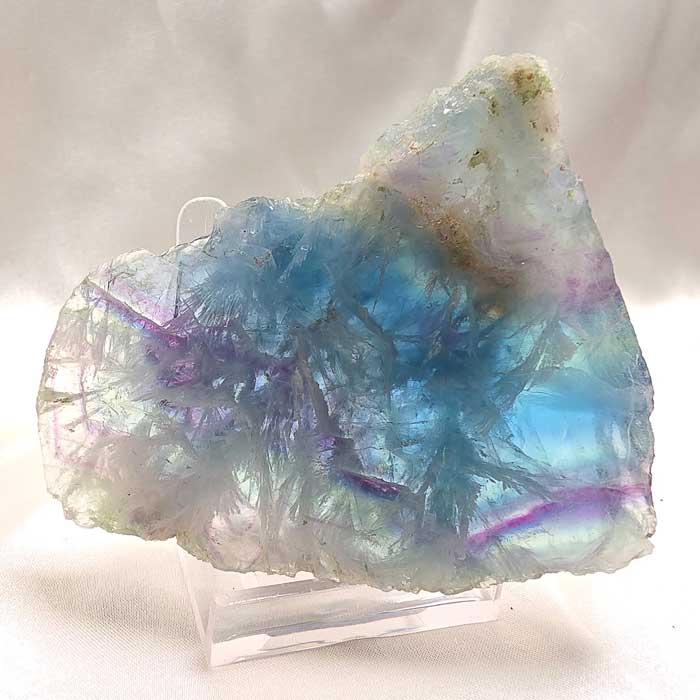
In modern mineral collections, large fluorite crystals from regions such as Asturias (Spain) stand out, especially for their intense violet cubic forms. These can be seen in museums like the Geominero Museum of Madrid.
Current uses
- Production of hydrofluoric acid, essential for many industrial processes.
- Steel and aluminum manufacturing, where it acts as a flux.
- High-precision optical lenses used in scientific instruments.
- Components in the chemical and electronics industries.
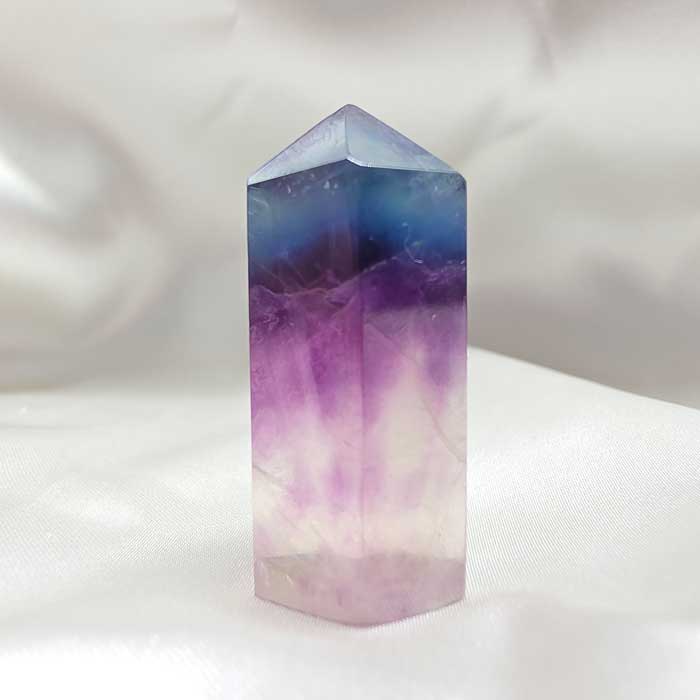
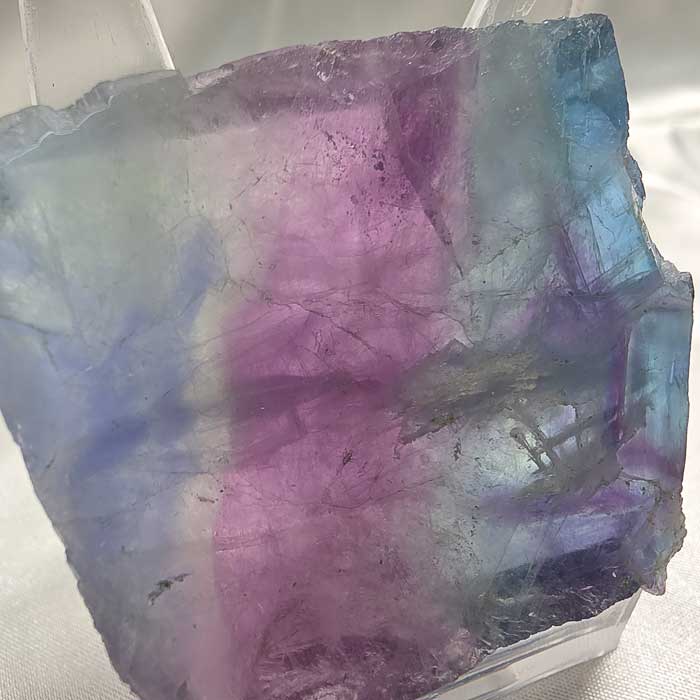
- Mineral collecting due to its crystal form and vibrant colors.
Additionally, some specimens exhibit fluorescence under ultraviolet light, a physical phenomenon that was first studied using this mineral and later gave rise to the term itself.
Presence in jewelry
Although it is not among the hardest gemstones, fluorite is used in contemporary jewelry, particularly in pendants and handcrafted pieces. Designers appreciate its natural tones and translucent appearance.
At mineral fairs and auctions, well-formed specimens with intense colors can reach high prices, especially when sourced from well-known deposits.
Associated meanings in personal contexts
Beyond its material uses, fluorite has been linked to various qualities related to mental clarity and balance. Traditionally, it has been considered a stone connected to focus and organization of thoughts.
Some traditions associate it with improved concentration, reduced mental clutter, and support in decision-making processes. It is also linked to a sense of order and stability, particularly during periods of change or mental overload.
These interpretations are part of cultural traditions where fluorite is valued not only for its appearance but also for what it represents symbolically.

 670-61-16-63 cmd@cristalljoia.com In the heart of Barcelona and online