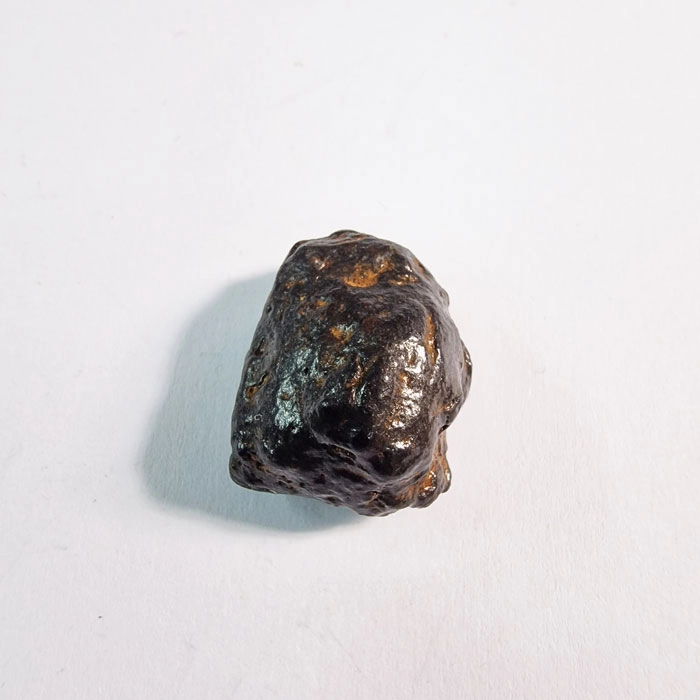
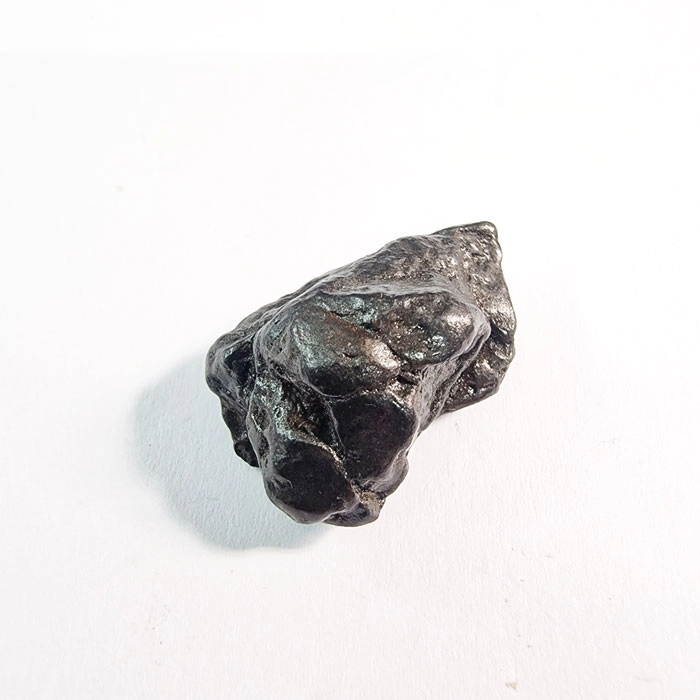
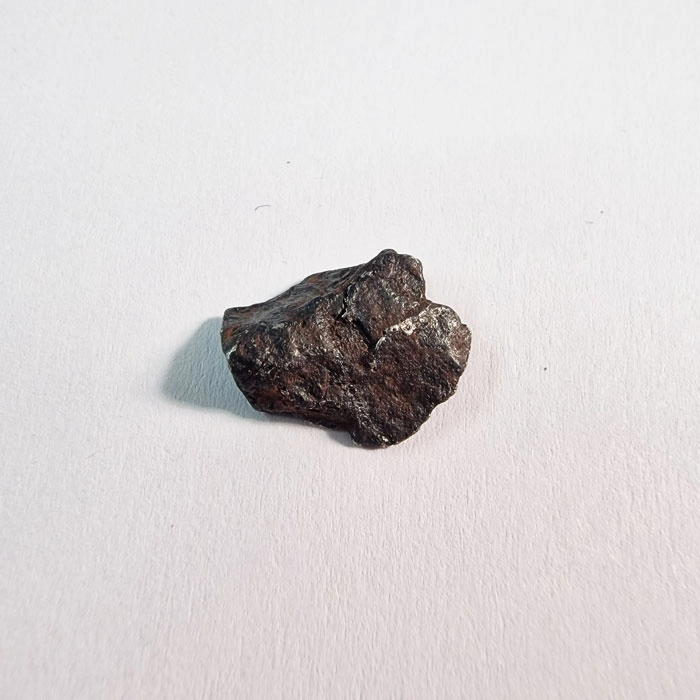
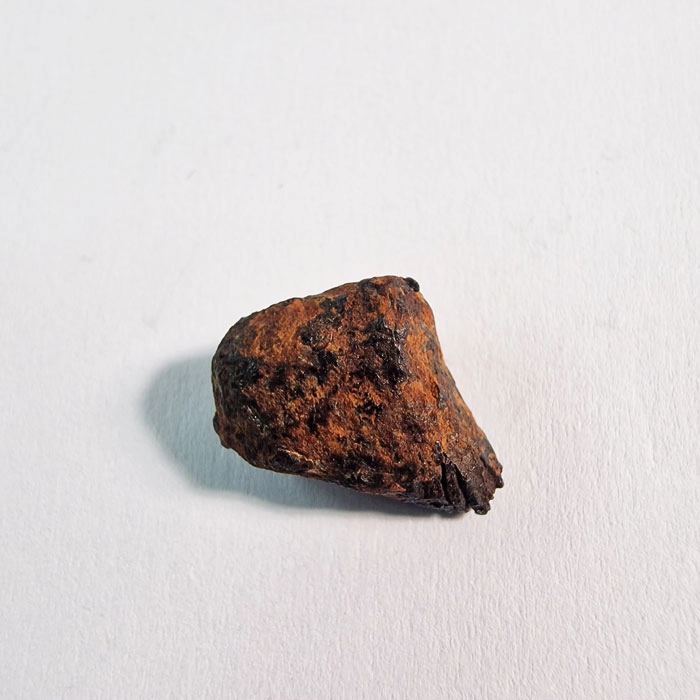
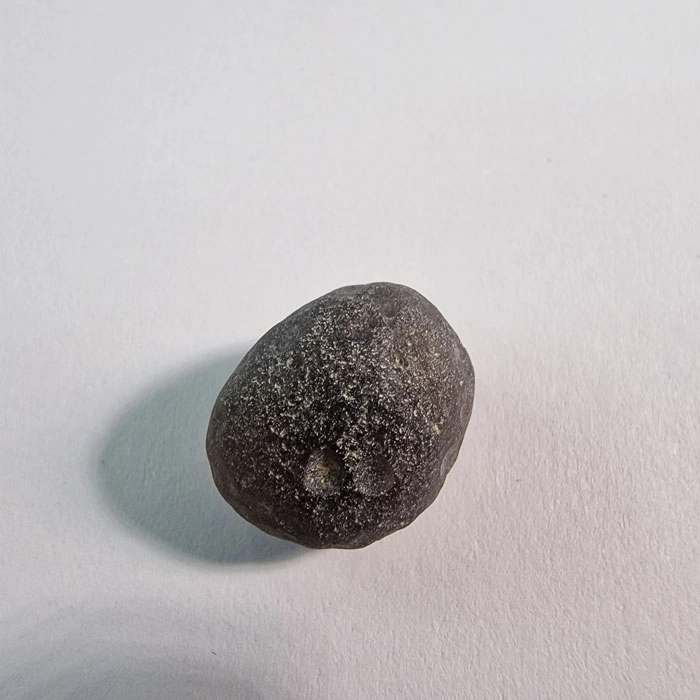
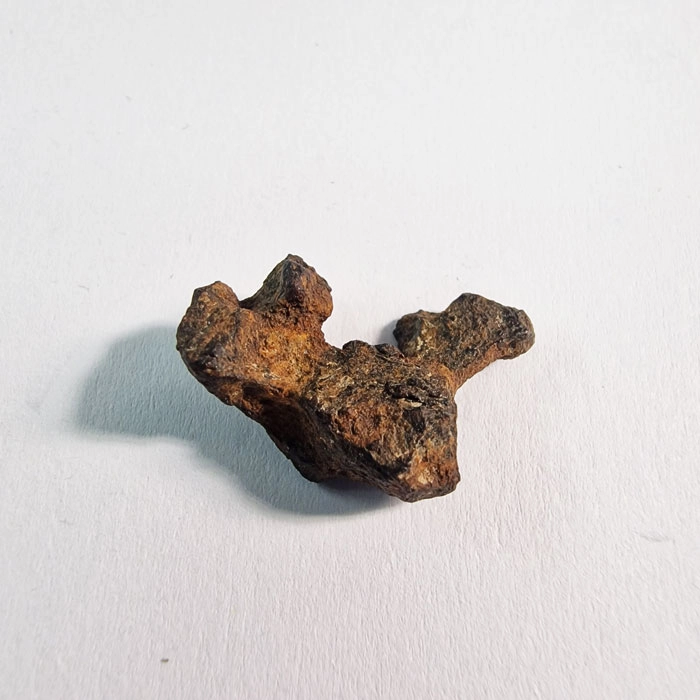
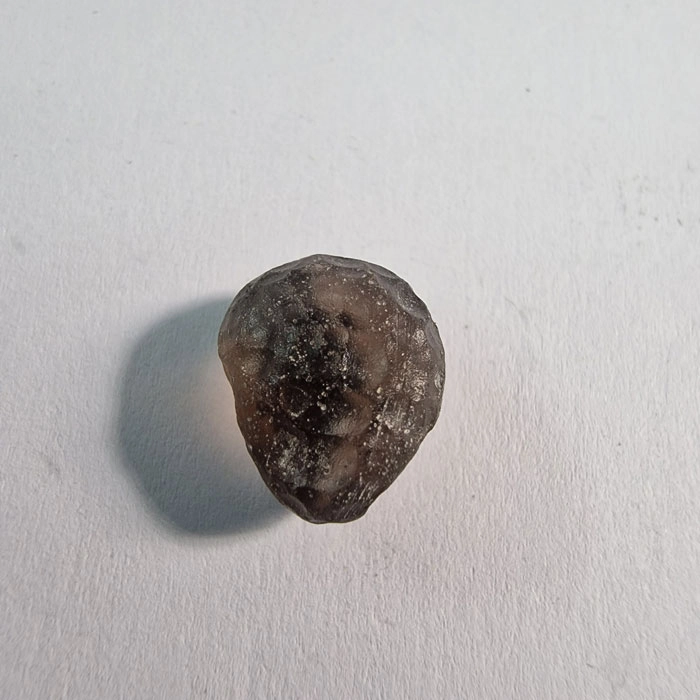
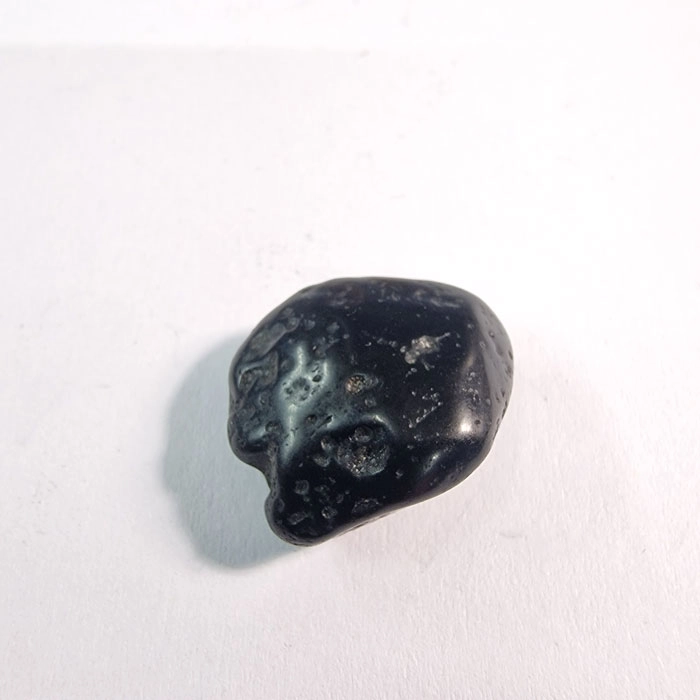
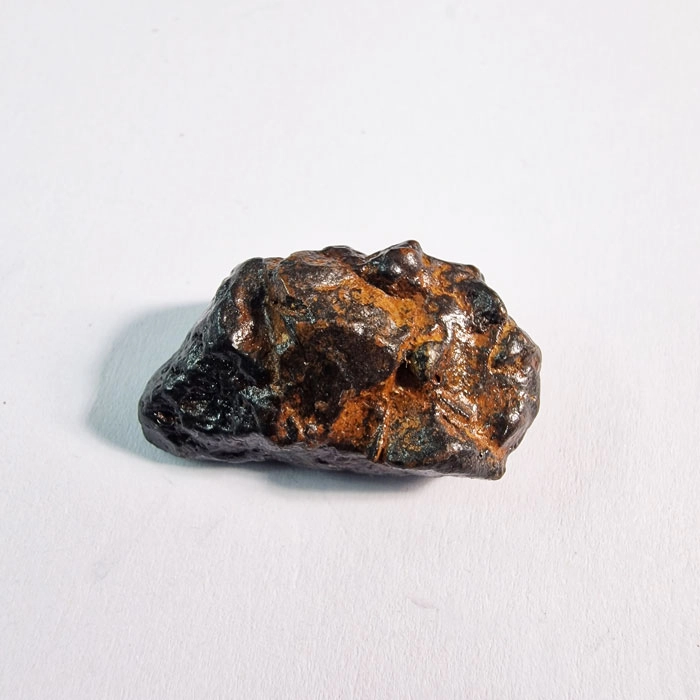
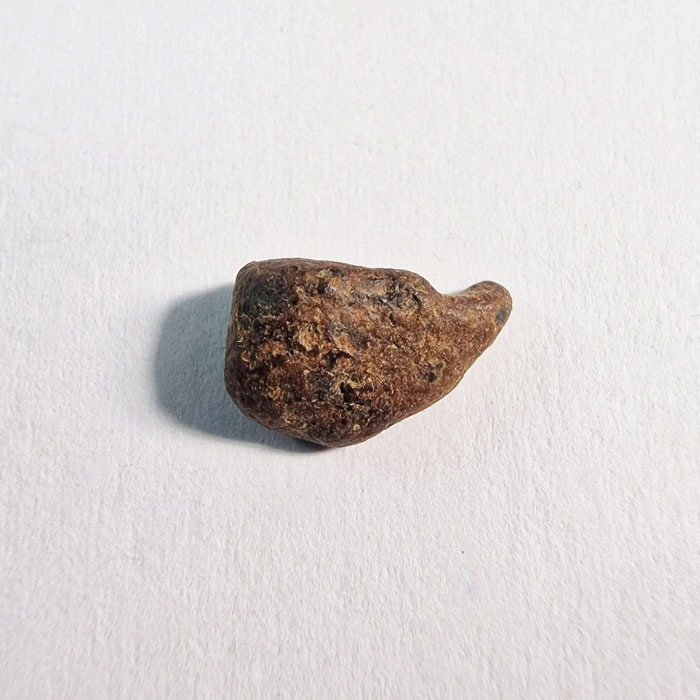
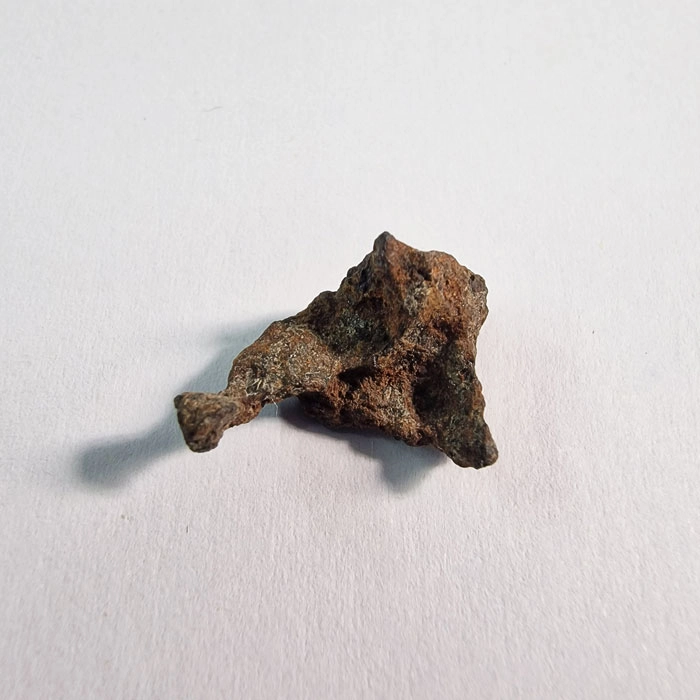
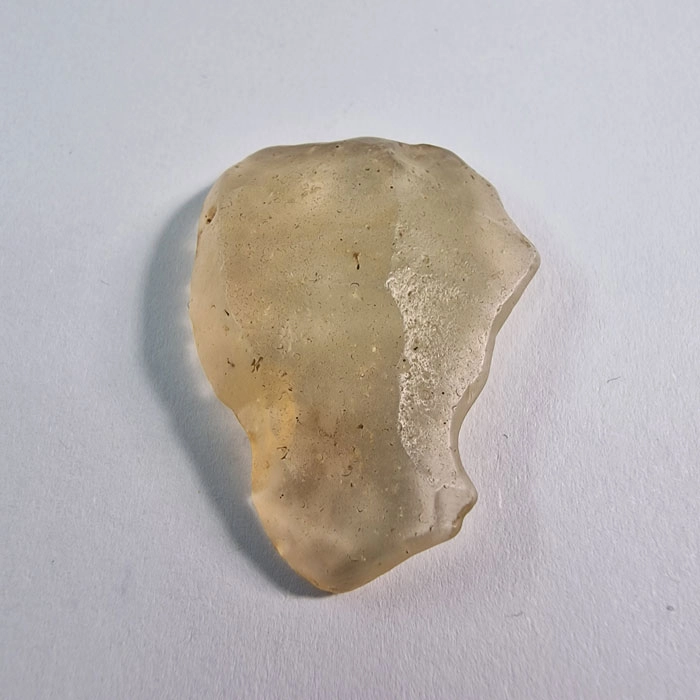
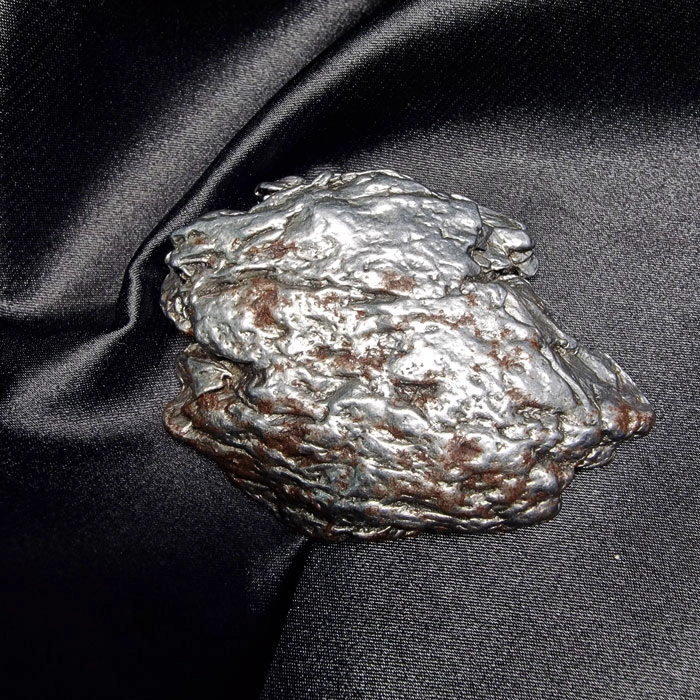
The Difference Between Meteorites and Tektites
In the fascinating world of minerals, meteorites and tektites are often confused, as both are natural fragments that come from space or cosmic events. Although both are mysterious and unique, they have significant differences in their origin and composition.
Meteorites: These are fragments of rocks or metals from asteroids, comets, or even other planets that have reached Earth after passing through the atmosphere. Meteorites have a composition that includes metals such as iron and nickel, and they often exhibit unique crystalline formations.
Tektites: These are natural glasses formed by the fusion of Earth’s materials due to the high pressure and temperature generated during a meteorite impact. While they are related to meteorites, tektites are not made of metals and do not have the same crystalline features. Their main composition is silica.
At Cristalljoia Barcelona, we offer both meteorites and tektites, providing our customers with an exclusive selection of pieces that carry a unique history from the universe. Below, we explore some of the most fascinating meteorites and tektites you can find in our store.
Agoudal Meteorite
The Agoudal Meteorite is an iron-nickel meteorite found in 1999 in the Sahara Desert, Morocco. It is believed to be more than 4.5 billion years old.
- It was discovered by an expedition team in the remote Sahara Desert of Morocco.
- The discovery was a surprise as large meteorites had not been found in that area before.
- It is known for its incredible metallic appearance and the high concentration of iron and nickel.
- Its origin is believed to be related to an asteroid that impacted the region billions of years ago.
Muonionalusta Meteorite
The Muonionalusta Meteorite was discovered in 1906 in the Lapland region of northern Sweden. This meteorite is famous for the Widmanstätten crystalline patterns that form due to its unique composition.
- It was found in a remote area of Sweden, near the border with Finland, known for its extreme climate.
- The Muonionalusta is considered one of the oldest meteorites in Europe, with an estimated age of over 4.5 billion years.
- The Widmanstätten patterns are very visible on the surface and are the result of slow cooling in space.
- This meteorite is highly prized by collectors due to the beauty of its patterns and its historical value.
Aletai Meteorite
The Aletai Meteorite comes from a remote region of Central Asia and was discovered in 2000. Its age is estimated to be billions of years, making it one of the rarest and most valuable meteorites.
- The meteorite was found in a difficult-to-reach area of Central Asia, making its discovery even more special.
- The Aletai is famous for its metallic surface that reflects light in a way not seen in other meteorites.
- This meteorite is one of the rarest found in this part of the world, making it a treasure for collectors.
- It is believed that this meteorite originated from an asteroid that collided billions of years ago, making it a key piece in studies on the origin of the solar system.
Sericho Meteorite
The Sericho Meteorite was discovered in 2016 in the Sericho region of Kenya. Fragments of this meteorite had been collected by locals previously, but it wasn’t until 2016 that they were correctly identified as meteorites.
- It was discovered by a team of geologists in a remote region of Kenya, near the border with Somalia.
- The meteorite was initially mistaken for ordinary stones due to its color and texture, until scientific analysis revealed its true origin.
- The Sericho is over 4 billion years old, making it an extremely valuable piece for collectors.
- This meteorite has a historical connection to deep space, as it is believed to come from a region far from the solar system.
Gibeon Meteorite
The Gibeon Meteorite was found in 1836 in Namibia, Africa. This meteorite is famous for its size and being one of the largest and most complete meteorites found in Africa.
- It was found in the desert of Namibia, in an area known as "the Gibeon region".
- The Gibeon is an iron-nickel meteorite, and its structural features make it very attractive to collectors.
- It is considered one of the largest and best-preserved meteorites found in the African continent.
Sikhote-Alin Meteorite
The Sikhote-Alin Meteorite fell in 1947 in Siberia, Russia, and is known for being one of the largest meteorites to have ever fallen to Earth. Its fall covered a vast area and left fragments scattered throughout the Siberian landscape.
- It was first observed as it entered Earth's atmosphere, creating a rain of fragments in the sky.
- This meteorite is famous for its size and the large number of fragments that were scattered during its fall.
- The Sikhote-Alin has been the subject of numerous studies due to the intensity of its atmospheric entry and the traces it left behind.
- It is one of the most well-known meteorites in modern history, and its fall in Siberia was a significant event in the region.
Colombianita Tektite
The Colombianita Tektite was formed in Colombia, in a region affected by an ancient meteorite impact. This type of tektite is extremely rare and is distinguished by its dark green color.
- It was discovered in the Cundinamarca region of Colombia, where several pieces have been found.
- The Colombianita tektite has a smooth texture that makes it unique among other tektites.
- It is believed to have been formed by an impact that melted the Earth, creating this piece of natural glass.
- It is one of the most valued tektites due to its rarity and its unique history related to the meteorite impact.
Campo de Cielo Meteorite
The Campo de Cielo Meteorite was discovered in 1576 in the Chaco region of Argentina. This meteorite is known for being one of the largest ever found on Earth, and it is believed to originate from an asteroid that exploded in space.
- It was found in a desert region of Argentina, where fragments were scattered over kilometers.
- The Campo de Cielo contains a large amount of iron, making it a valuable piece for both scientific studies and collectors.
- This meteorite is famous for its large size and the numerous fragments recovered over the years.
- It is one of the oldest meteorites found in South America, with an estimated age of over 4 billion years.
Libian Glass Tektite
The Libian Glass Tektite is one of the most enigmatic tektites, formed millions of years ago in the Sahara Desert, after a meteorite impact. This tektite is known for its olive green color and smooth texture.
- It was formed by the impact of a meteorite that melted the desert sand, creating this piece of natural glass.
- It is considered one of the oldest and rarest tektites, and its origin is linked to one of the oldest recorded impacts.
- The Libian Glass has been a key piece in studying how meteorites impact Earth and transform the environment.
- It is one of the most coveted pieces by collectors due to its rarity and mysterious history.
If you're interested in exploring more about these fascinating meteorites and tektites, don't hesitate to visit us at Cristalljoia Barcelona. We have a wide variety of unique pieces available both in our physical store and online.
Feel free to contact us if you'd like us to send you photos of specific products or if you need more information:
E-mail: cmd@cristalljoia.com
WhatsApp: 670-61-16-63

 670-61-16-63 cmd@cristalljoia.com In the heart of Barcelona and online