670-61-16-63 cmd@cristalljoia.com In the heart of Barcelona and online
Shopping Cart


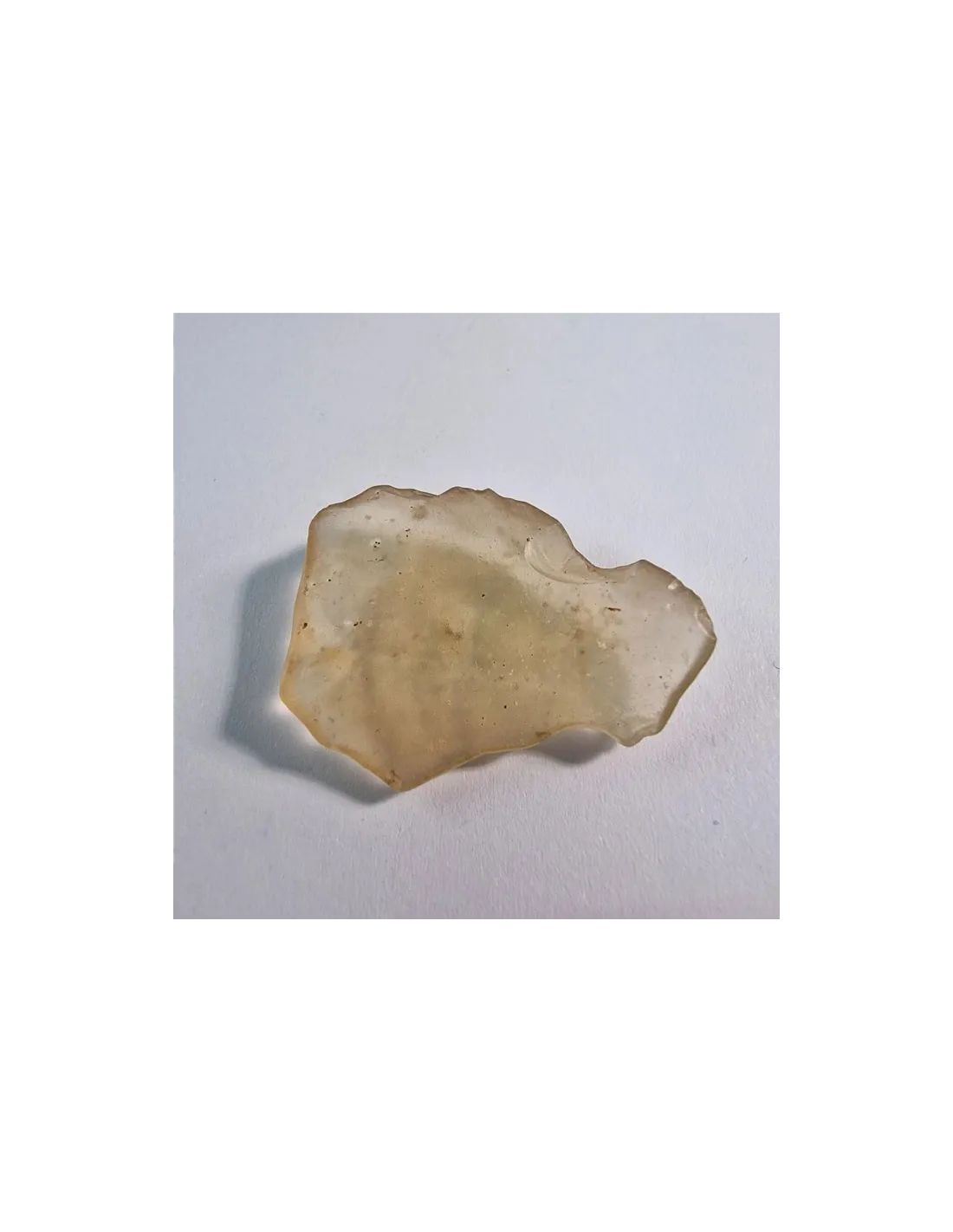
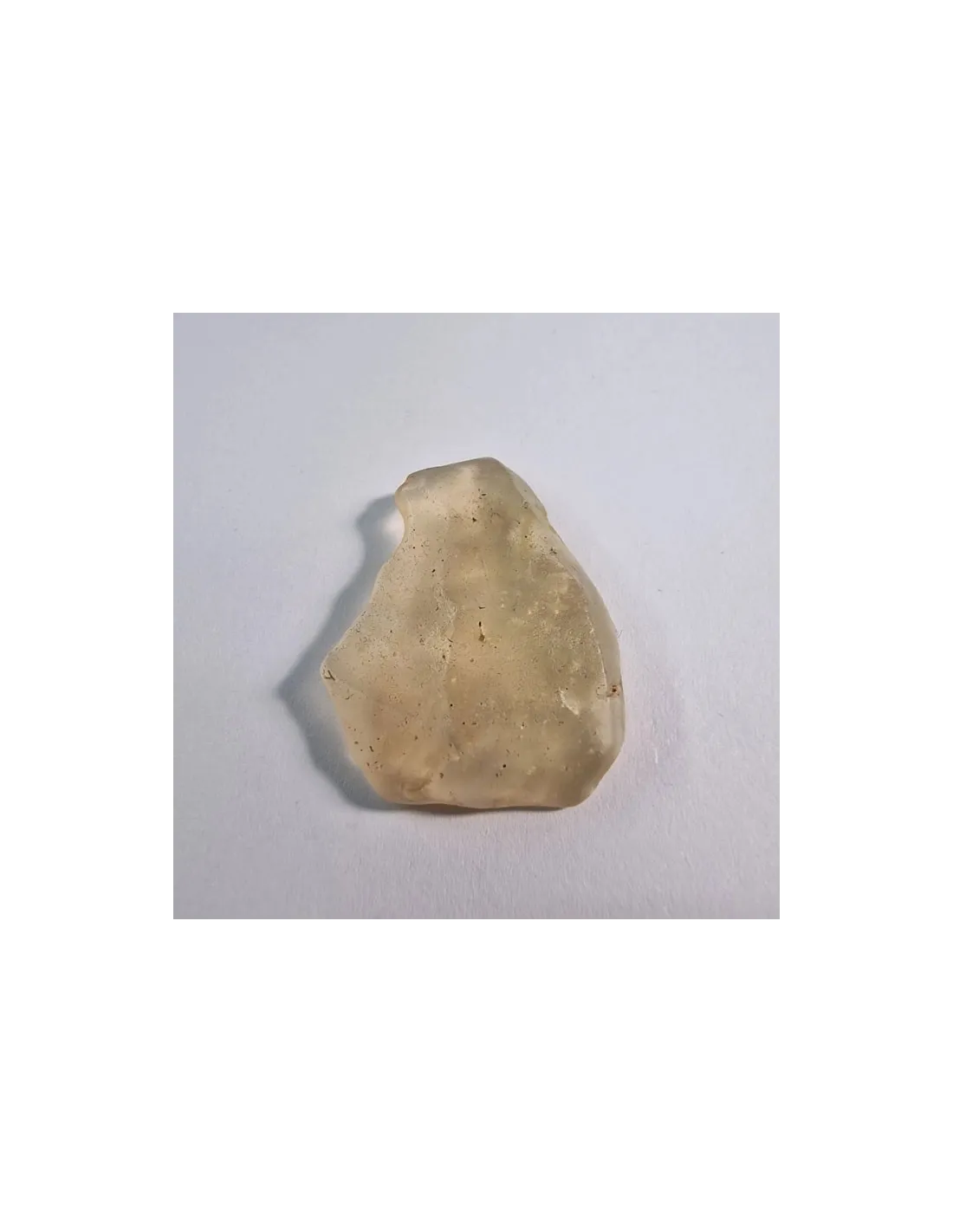
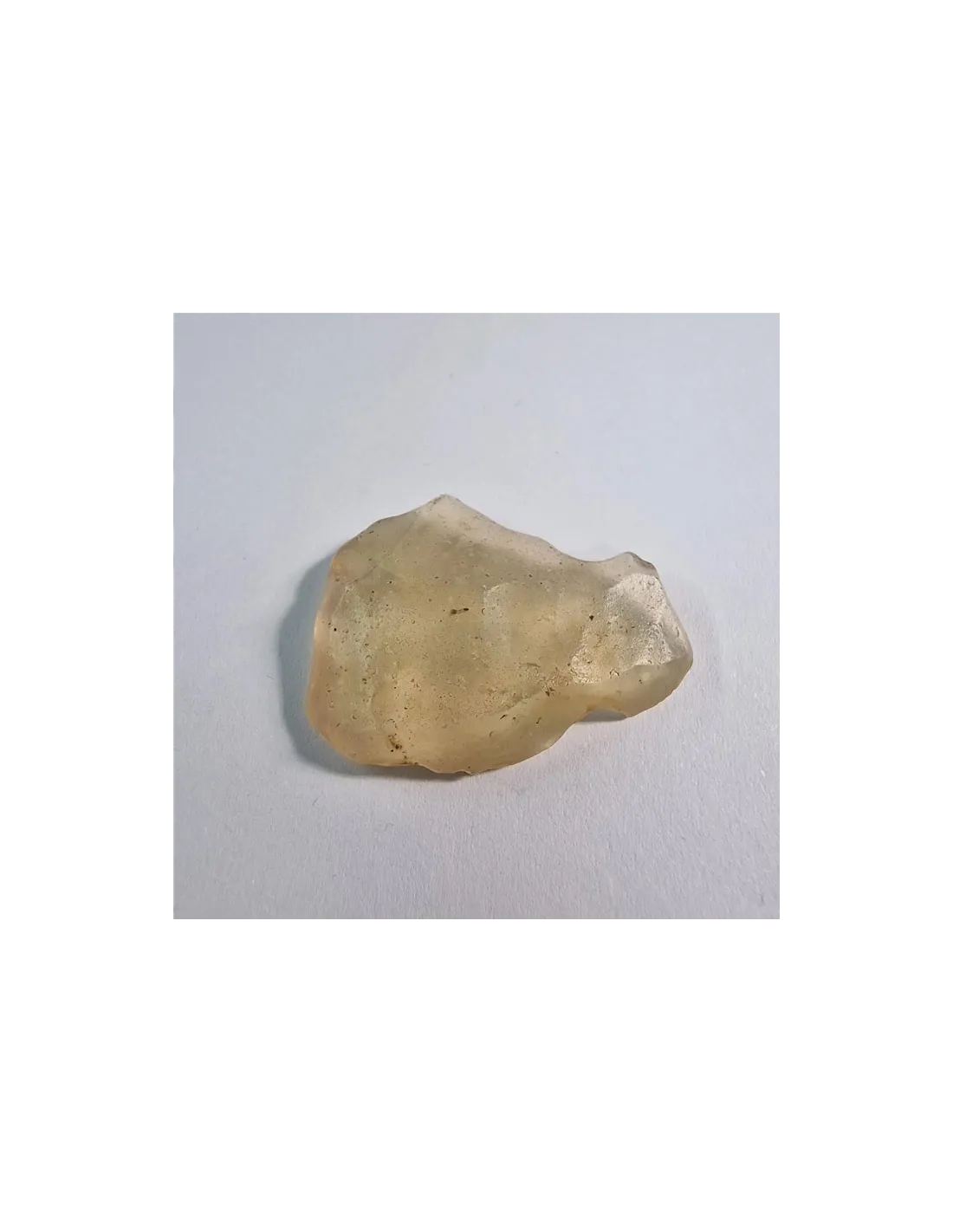
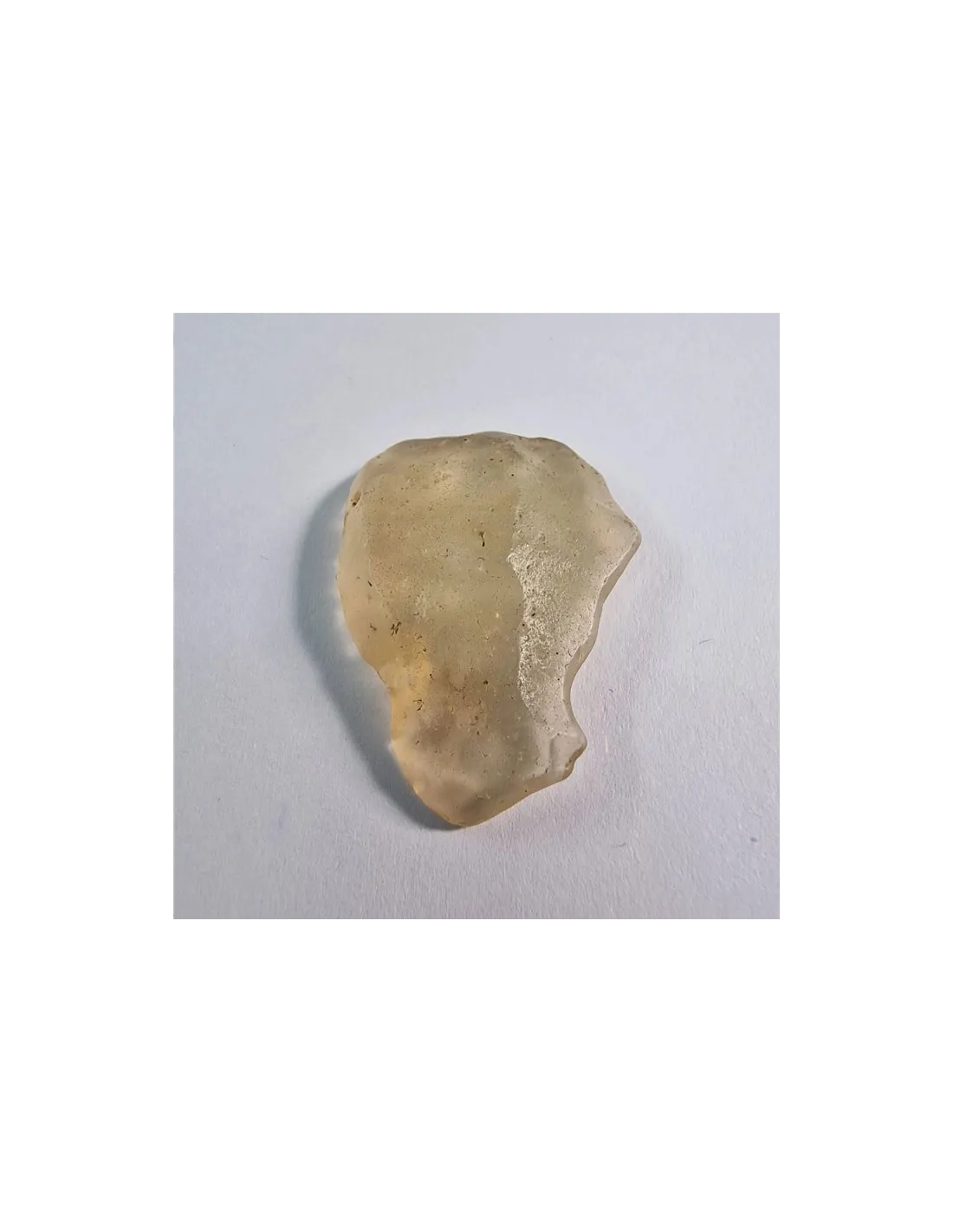
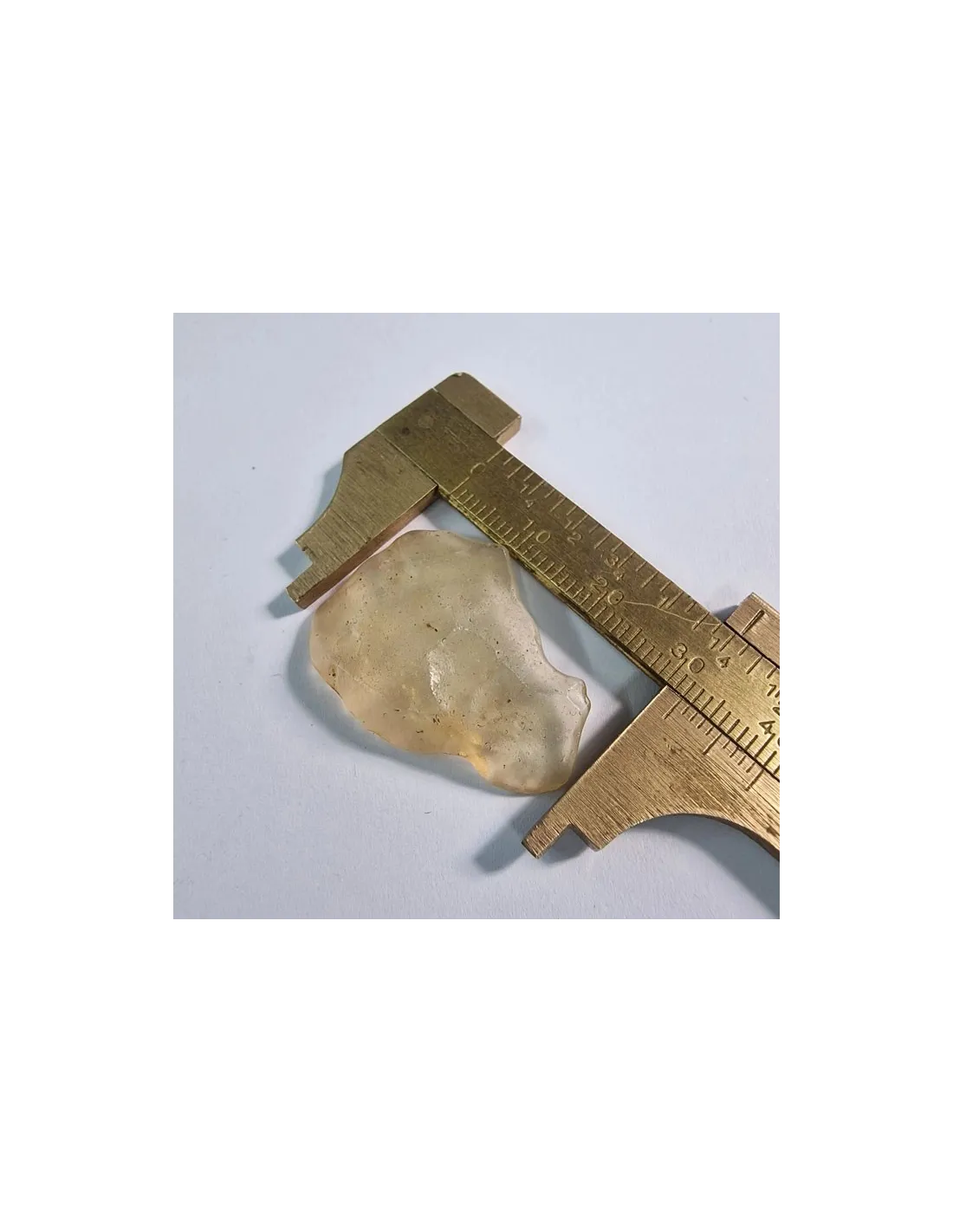
Libyan Glass tektite
Out-of-Stock
€56.00
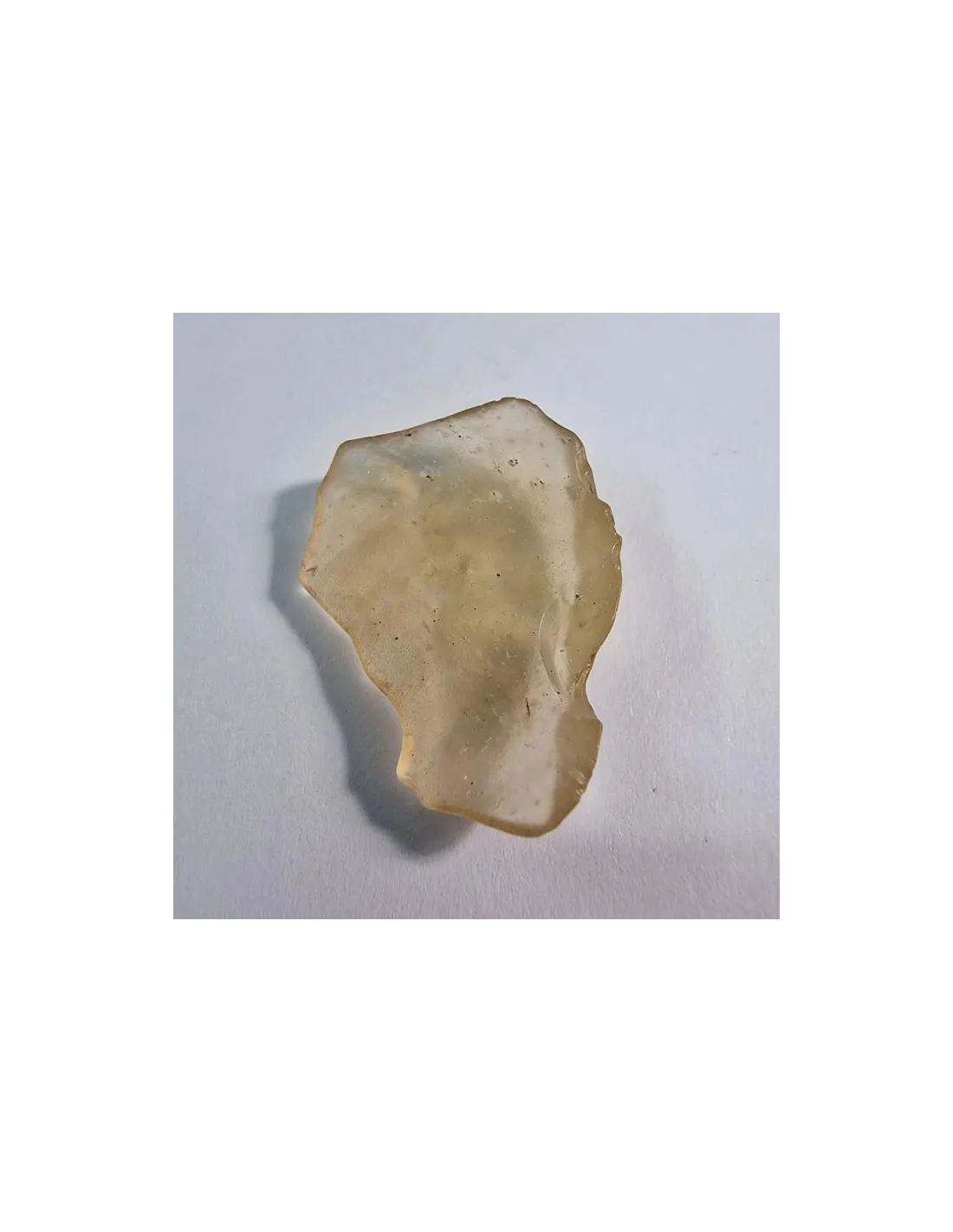
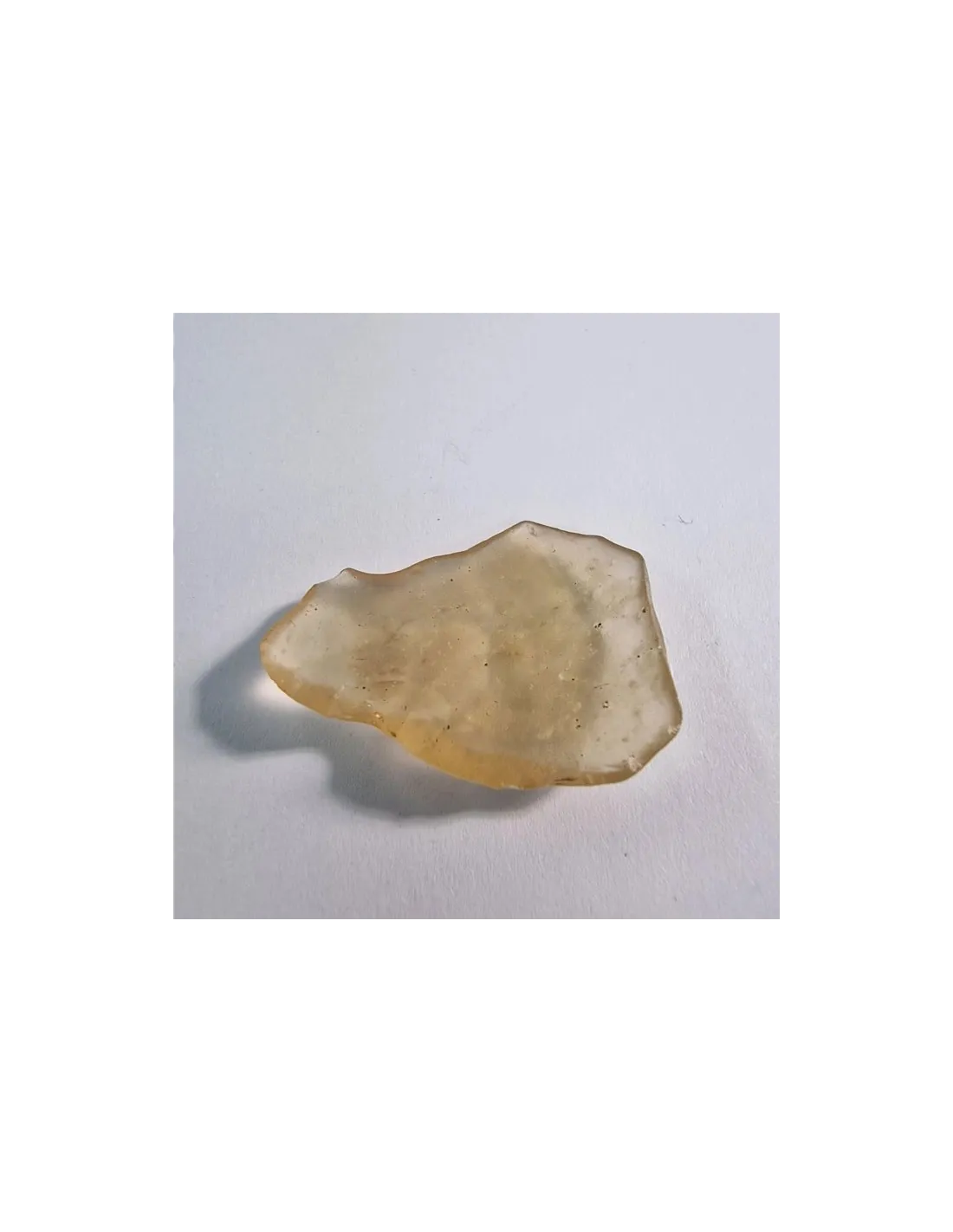
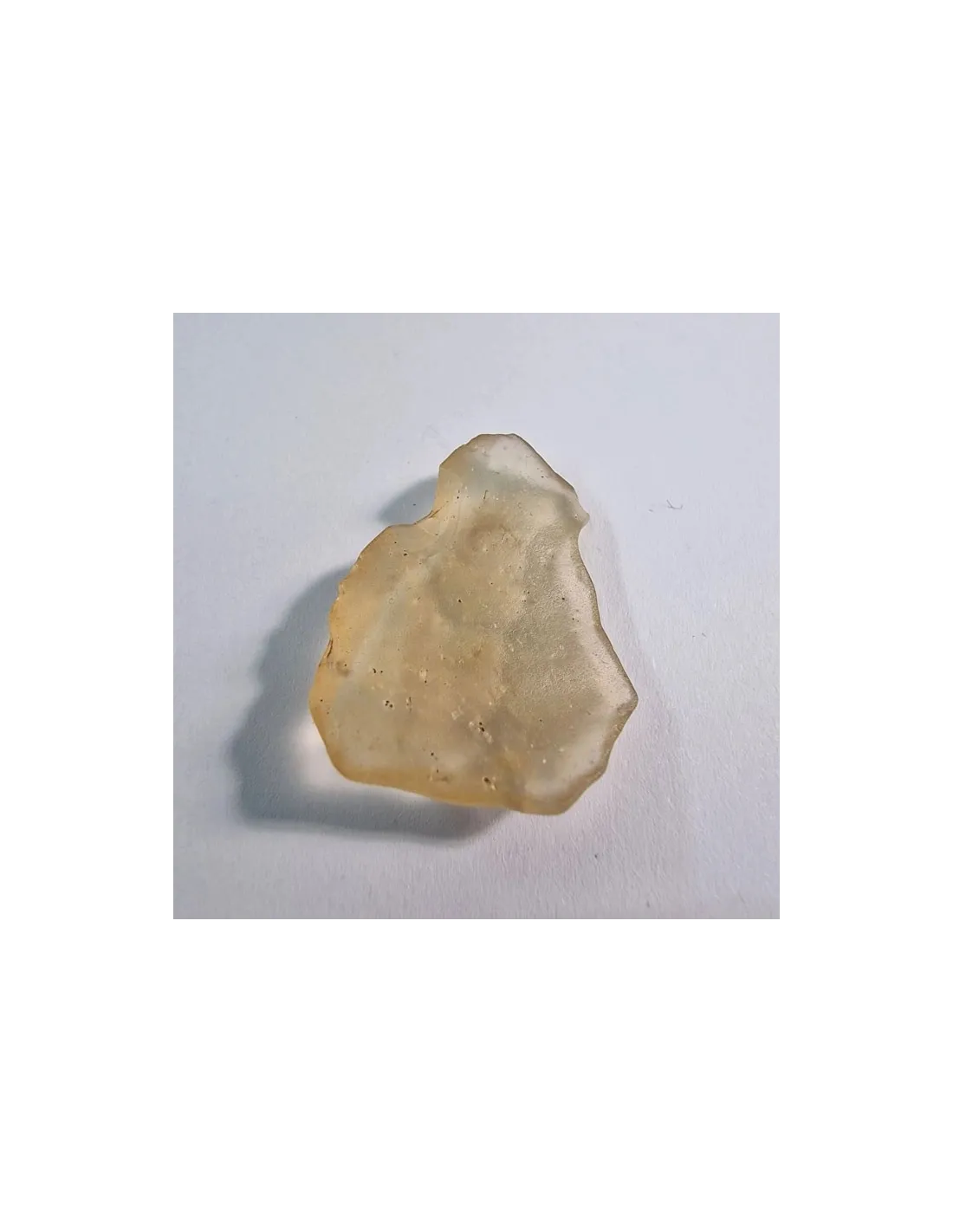
Libyan Glass Tektite
Mirror of the sun, shaped by the breath of the desert.
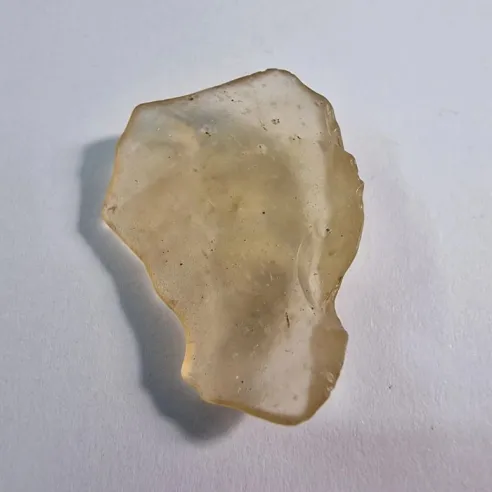
This piece is unique; the photos show the exact product for sale.
Cristalljoia – 40 years of minerals. Find us in the heart of Barcelona and online.
Approximate Dimensions: 3 cm x 2.3 cm x 0.4 cm.
Libyan Glass Tektite: A Gift from Cosmic Impact
What is a Tektite and How Does it Differ from a Meteorite?
The Libyan Desert Glass, or Libyan Glass, is a tektite, a type of natural glass formed by a meteorite impact. Unlike a meteorite, which is an extraterrestrial rock fragment that arrives directly from space, tektites are created when a meteorite strikes the Earth with such intensity that it melts the ground and surrounding materials. This molten material then cools, forming a unique glass-like substance.
Origin and Discovery
Libyan Desert Glass is found in a region of the Sahara Desert in Egypt and Libya and is estimated to have formed approximately 29 million years ago. It is believed that a large meteorite impacted the area, generating extremely high temperatures that melted the sand and gave birth to this extraordinary material.
A Golden-Colored Material
Libyan Glass is known for its yellow and golden hues, ranging from translucent to opaque. Its composition is primarily silica, but its purity and clarity set it apart from other tektites, giving it a unique appearance.
Historical and Jewelry Use
Libyan Desert Glass has been valued since ancient times. Pieces of it have been found in Egyptian tombs, including that of Pharaoh Tutankhamun, who had an amulet with a scarab carved from this material. Today, it is highly prized in jewelry and mineral collections due to its rarity and fascinating origin.
A Fragment of Earth's History
Libyan Glass is one of the most enigmatic and beautiful tektites on our planet. Its formation through a meteorite impact makes it a testament to the cosmic events that have shaped Earth, making it highly appreciated by both scientists and collectors.
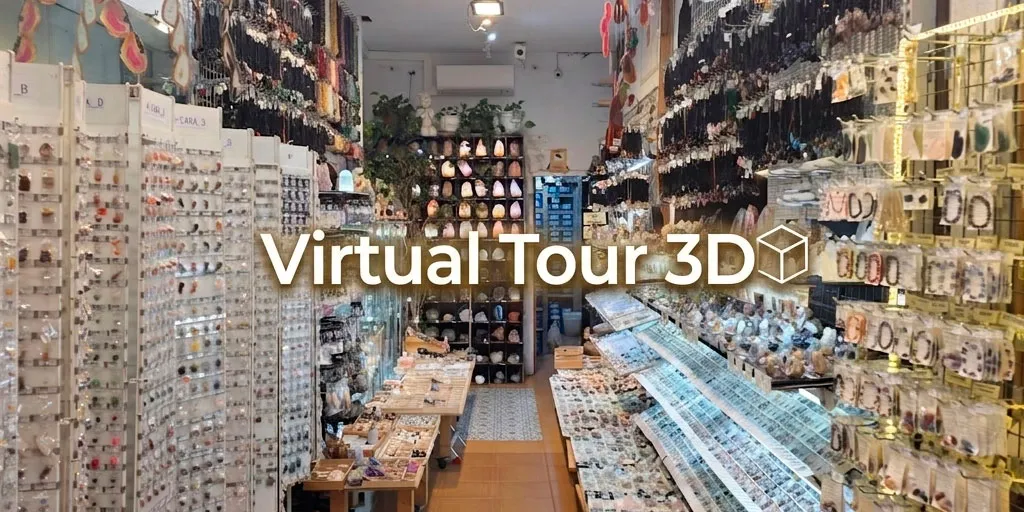
In our mineral store in the heart of Barcelona, we have a much wider variety than what is visible on our website.
Do not hesitate to contact us if you would like us to send you photos of specific products or if you need more information:
E-mail: cmd@cristalljoia.com
WhatsApp: 670-61-16-63
LIG.1MI56_16420106
No reviews
Tap to zoom