670-61-16-63 cmd@cristalljoia.com In the heart of Barcelona and online
Shopping Cart


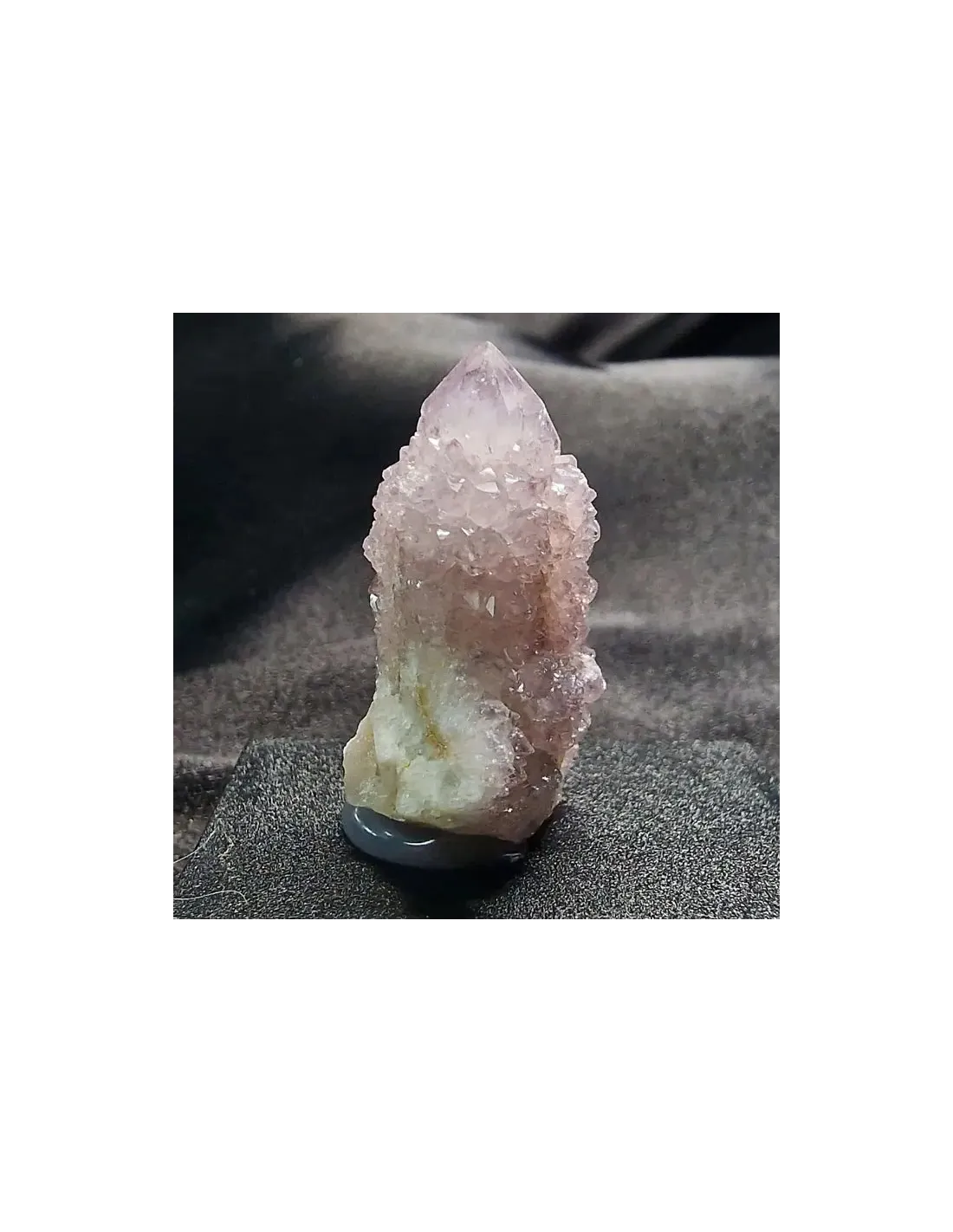
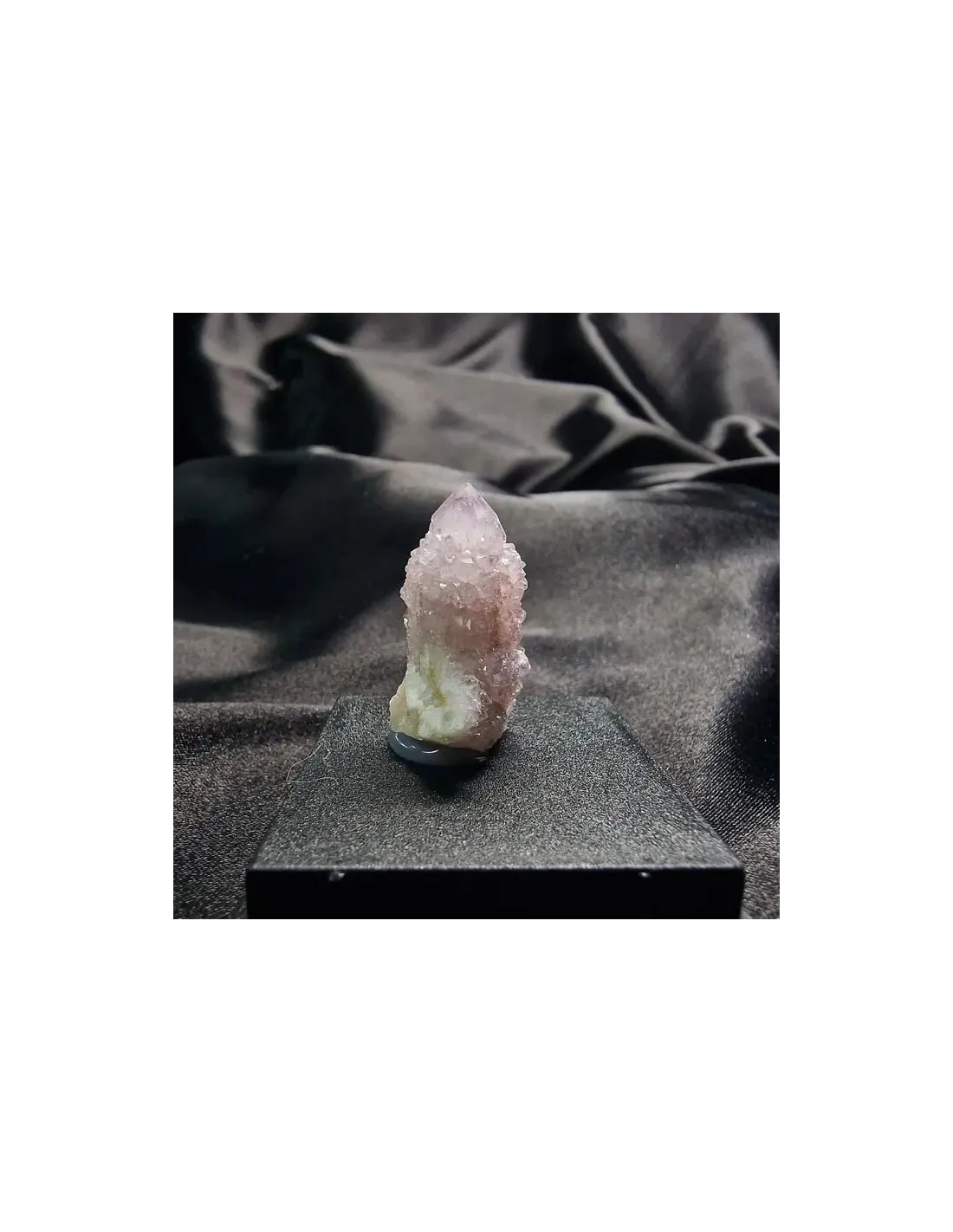
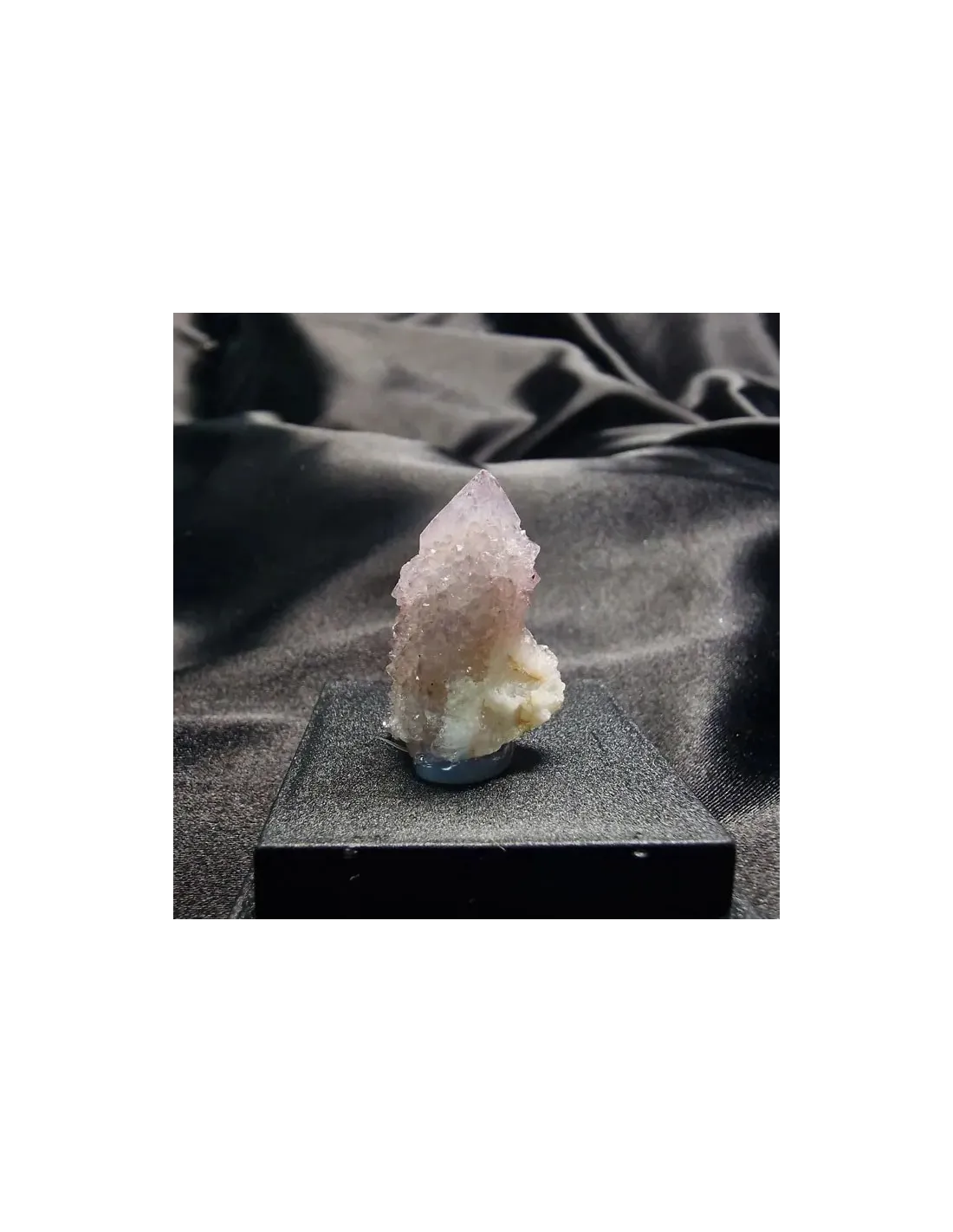
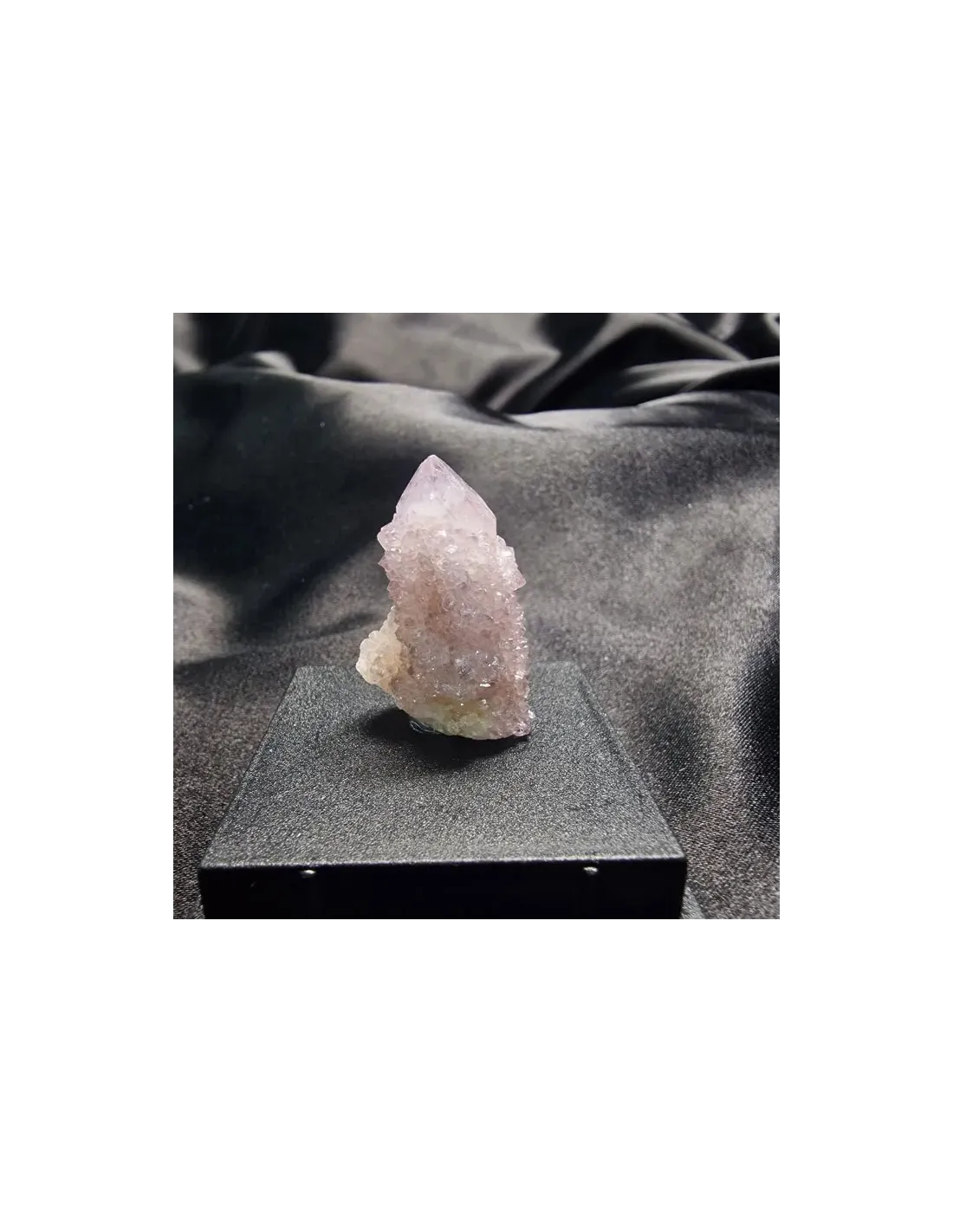
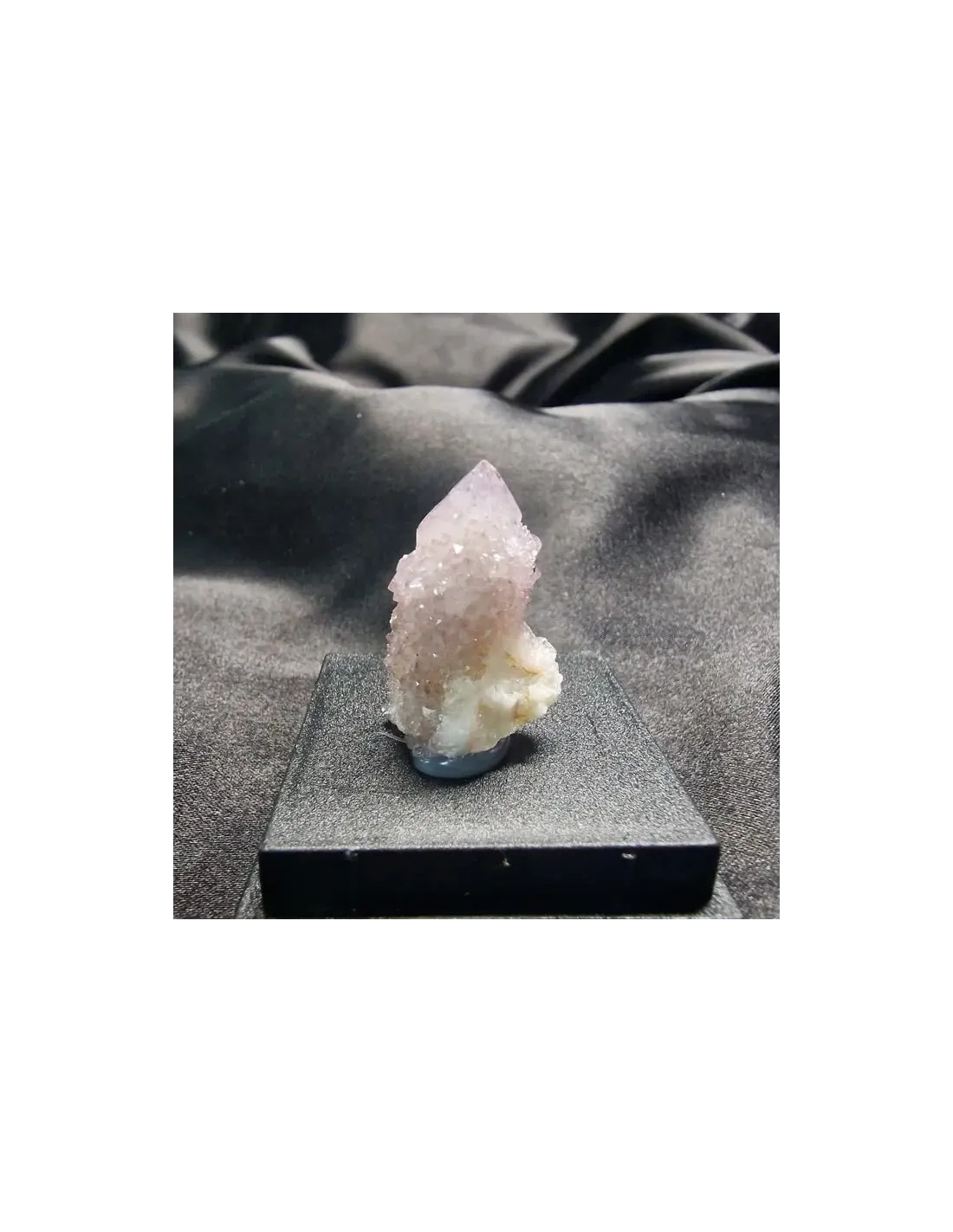

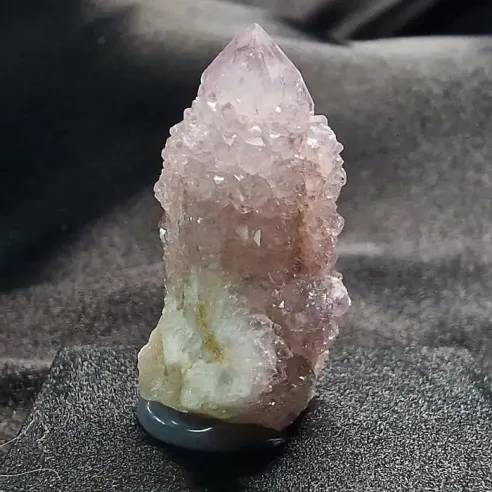
Cactus amethyst – South Africa
Last items in stock
€25.00
Cactus Amethyst. Origin: Boekenhouthoek (South Africa).
Unique formation of small crystals covering a main amethyst crystal, giving it a spiky appearance.
The piece for sale is one of a kind; the photos and video correspond exactly to the item being sold.
Cristalljoia, 40 years of minerals
Find us in the center of Barcelona and online.
Approximate measurements: 2,5 x 1 x 1cm.
The Cactus Amethyst: Natural Beauty from South Africa
The cactus amethyst is one of the most fascinating varieties of quartz. Its unusual structure and characteristic color make it stand out among other gems. It is found mainly in South Africa, specifically in the Boekenhouthoek region, in the Mpumalanga province.
Origin and Formation
The cactus amethyst forms in hydrothermal veins, where small crystals grow around a larger quartz tip. This process gives it its spiky appearance, similar to a cactus. Its formation can take thousands of years, as quartz requires specific conditions of temperature and pressure to crystallize properly. In some cases, the cavities in which it is found may contain other minerals that influence its coloration.
Main Characteristics
- Color: shades ranging from light lilac to deep violet.
- Structure: coating of small crystals on a main base.
- Composition: quartz with traces of iron and other minerals.
- Luster: its crystalline surface gives it a special shine when reflecting light.
- Texture: rough to the touch due to the formation of its small crystals.
Varieties of Cactus Amethyst
- Cactus amethyst purple: the most common.
- Citrine variety: golden hues due to natural heat exposure.
- White variety: a translucent version with milky tones.
- Pink variety: soft hues due to the presence of hematite.
Uses and Applications
The cactus amethyst is widely used in jewelry and decoration. Its complex structure makes it ideal for unique pieces. It is also highly valued by collectors and mineral enthusiasts. It can be found in rings, pendants, bracelets, and earrings. It is also commonly used in the creation of ornaments and decorative figures for the home.
Another frequent application of the cactus amethyst is in meditation and the decoration of relaxing spaces. Many people use it in wellness centers and spas for its calm and harmonious appearance. Its irregular shape and natural brilliance make it one of the most attractive stones for mineral displays.
Curiosities
- It is also known as Spirit Quartz in English.
- It is exclusive to South Africa and cannot be found in other countries.
- Its crystals reflect light spectacularly, creating a shimmering effect.
- Some pieces may present inclusions of other minerals, such as hematite or calcite.
- Depending on the light, its color may appear more intense or softer.
- Some formations of cactus amethyst have a milky quartz base, highlighting the contrast with its more crystalline tips.
The cactus amethyst remains one of the most sought-after stones in the world of mineralogy, thanks to its natural beauty and unique formation. Its rarity and distinctive characteristics make it a desirable option for collectors, jewelers, and mineral lovers alike.
In our mineral store in the center of Barcelona, we offer a wider variety than what is visible on the website.
Do not hesitate to contact us if you would like us to send you photos of specific products or if you need more information:
E-mail: cmd@cristalljoia.com
WhatsApp: 670-61-16-63
- Mineral o roca
- Amatista
- Yacimientos
- Brasil-Uruguay-Zambia-Madagascar-Bolivia
- Chakras
- Corona-Tercer Ojo
- Signos del zodíaco afines
- Piscis-Acuario-Sagitario
QMS.1MC_cj22pc857_14035302
1 Item
No reviews
Tap to zoom