670-61-16-63 cmd@cristalljoia.com In the heart of Barcelona and online
Shopping Cart


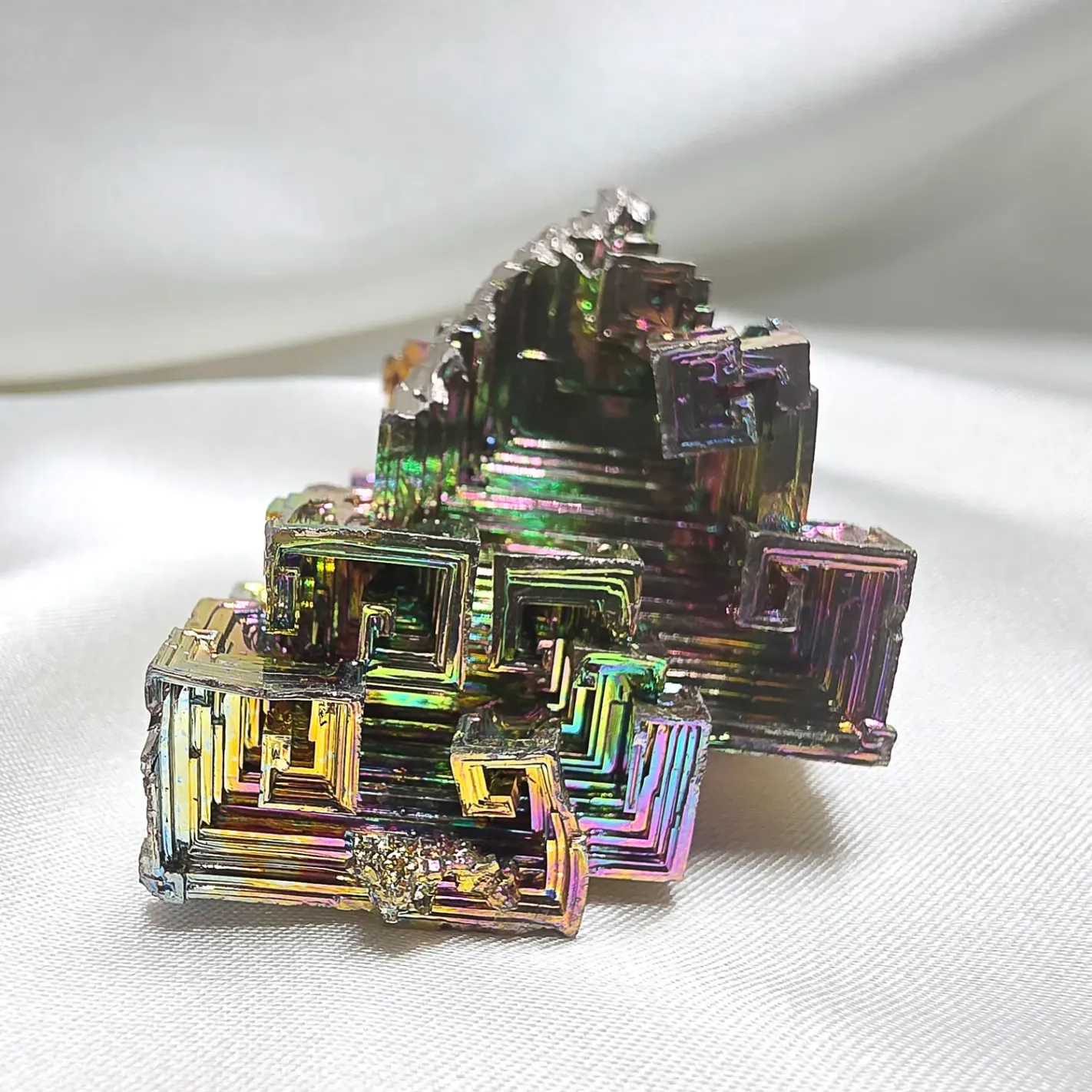
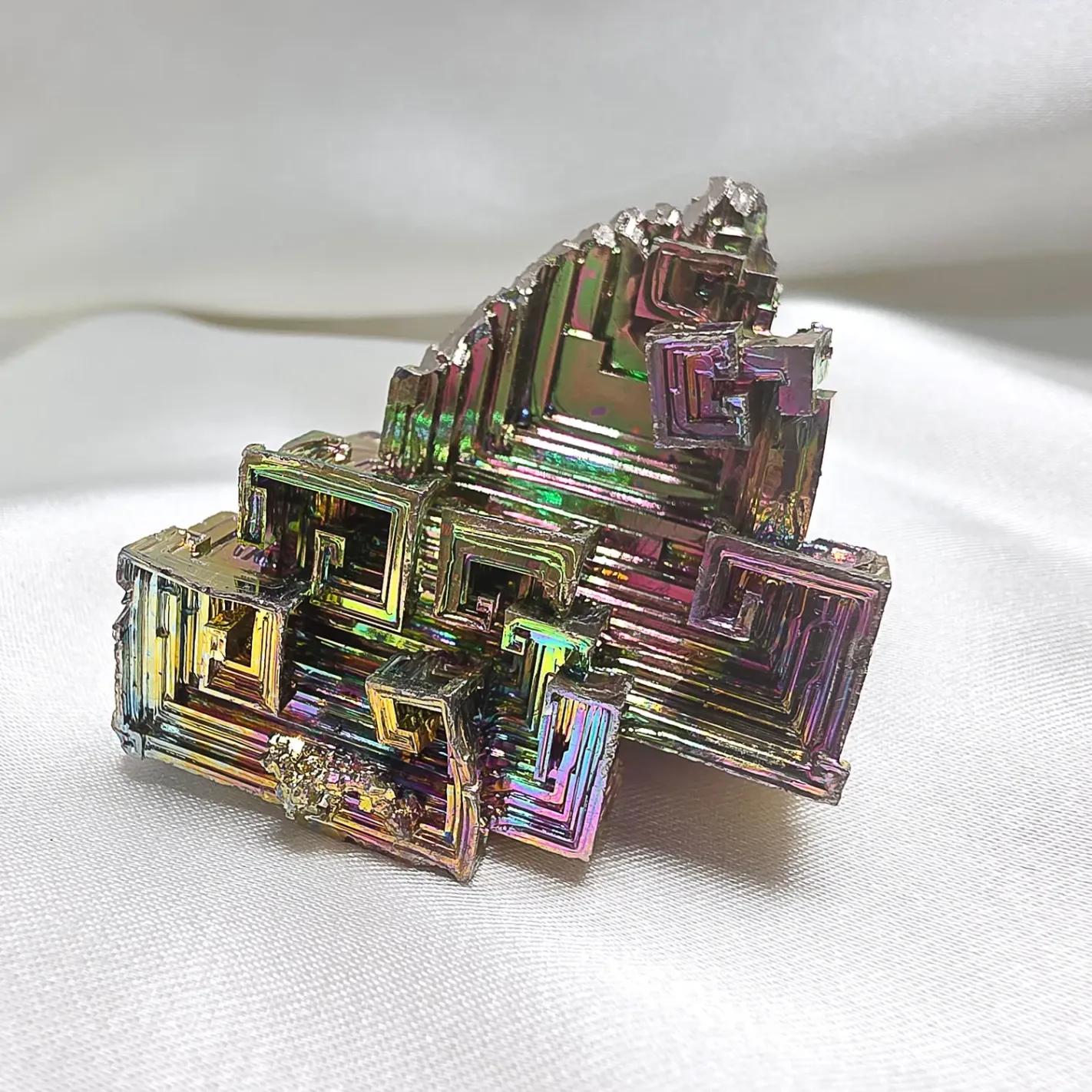
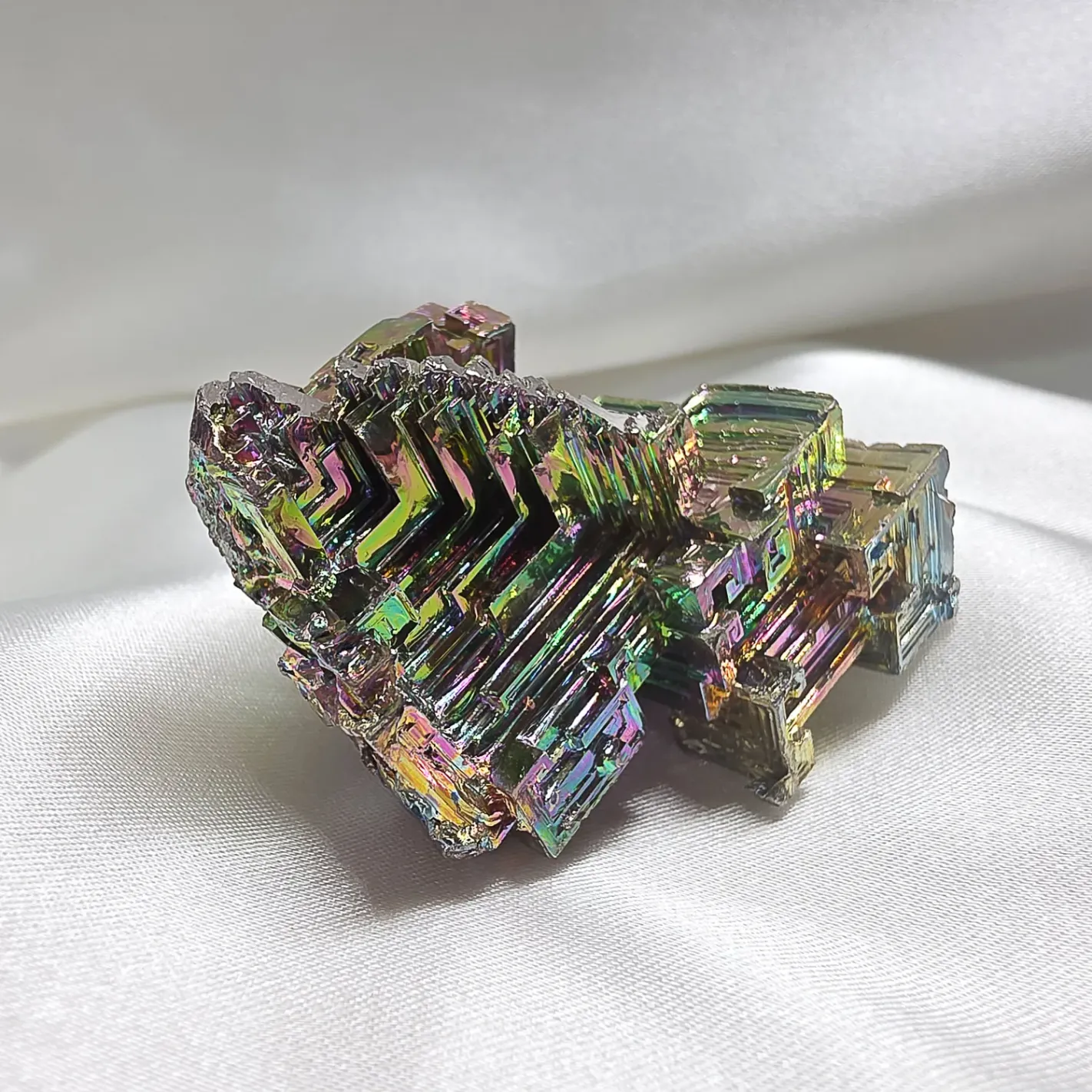
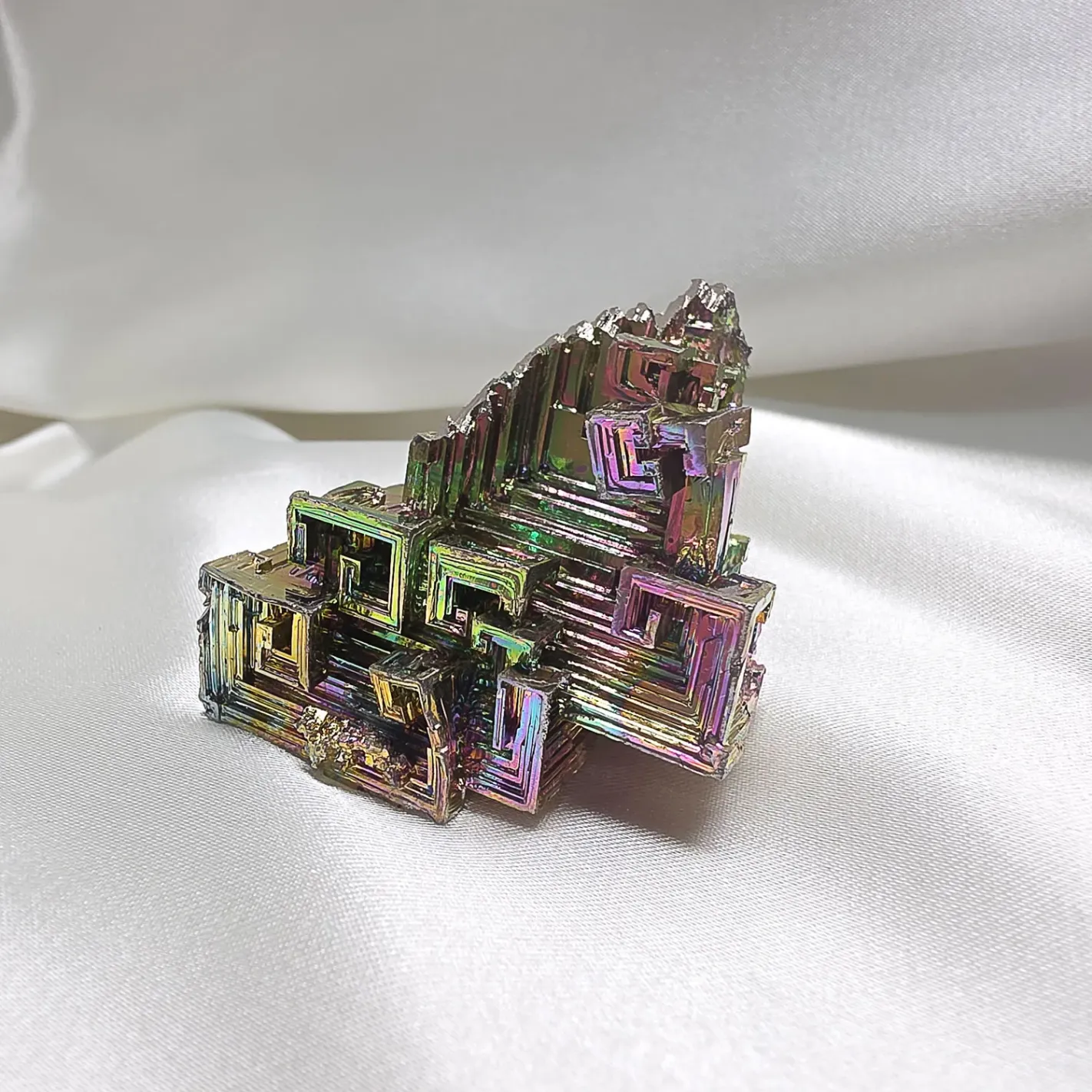
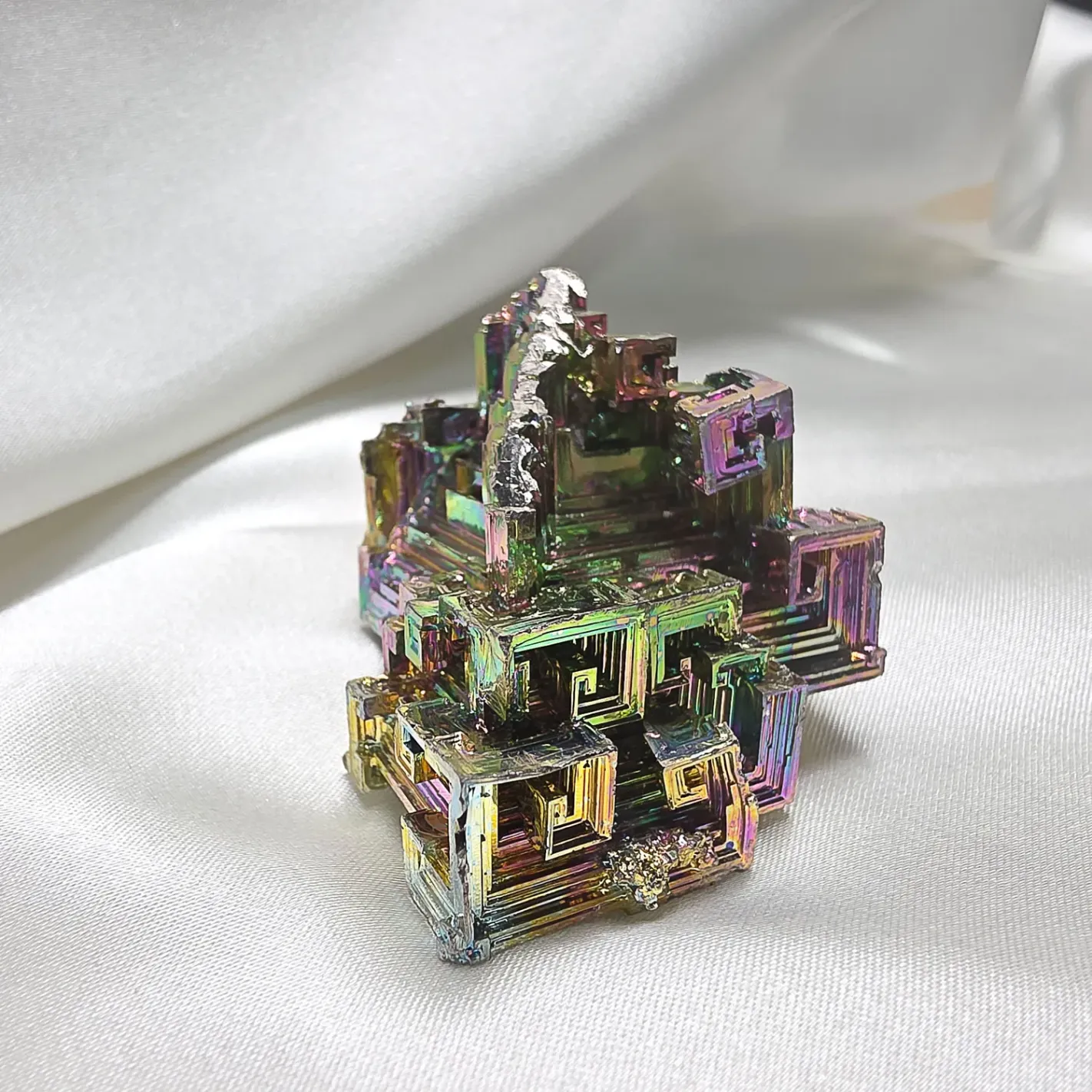
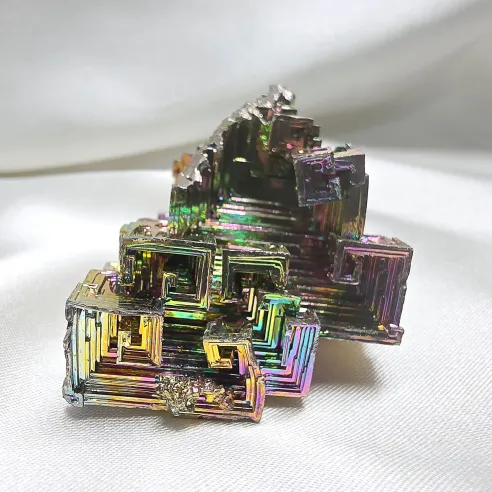
Recrystallized bismuth
Last items in stock
€54.00
Recrystallized bismuth
The item for sale is unique and the photographs correspond exactly to the product on sale.
Approximate dimensions of the piece: 3.4 cm high x 3.8 cm wide and 3.5 cm thick, weighing 79 g
At Cristalljoia, with 40 years of experience, we offer much greater variety than what is visible on the website.
For any matter, please do not hesitate to contact us: cmd@cristalljoia.com; WhatsApp: +34 670 61 16 63
Find us in the center of Barcelona and online
We ship worldwide
Ref: Pc332cx18_BIS.LAB11_10248225
Recrystallized bismuth
The item for sale is unique and the photographs correspond exactly to the product on sale.
Approximate dimensions of the piece: 3.4 cm high x 3.8 cm wide and 3.5 cm thick, weighing 79 g
Recrystallized Bismuth: the mineral sculpture born in the lab
Recrystallized bismuth is one of the most photogenic pieces out there: stair-stepped spiral structures with that characteristic rainbow iridescence ranging from gold to blue, through pink and green. Unlike other minerals, this piece isn't extracted from nature as-is: it's made by melting pure bismuth and letting it recrystallize, a process that mimics and speeds up what would otherwise happen much more slowly in nature.
What makes recrystallized bismuth unique? Its stair-stepped spiral structure (known as "staircase" or "hopper" growth) is a direct consequence of how the molten metal cools. No two crystals ever come out exactly alike, not even repeating the process with the same mold.
The process: from molten metal to colorful sculpture
Bismuth is a metal with a relatively low melting point, around 271 °C (520 °F). To obtain these crystals, high-purity bismuth is melted and left to cool slowly and under controlled conditions. As the temperature drops, the metal starts solidifying from the edges toward the center, growing along its natural crystal structure: a spiral geometry that repeats inward, like a staircase descending into itself.
The color doesn't come from any dye or treatment: it's an ultra-thin oxide layer that forms on the metal's surface as it cools in contact with air. That oxide layer is so thin it causes light interference, the same phenomenon that gives color to an oil slick on water or a soap bubble.
Fun fact: bismuth is one of the few metals that expands when it solidifies, instead of contracting. This uncommon property is exactly what allows those sharp edges and well-defined faces to form on each step of the crystal.
Features of this piece
- Material: pure bismuth, recrystallized in a lab.
- Color: iridescent, with gold, blue, pink, and green tones depending on the angle of light.
- Structure: stair-stepped spiral crystal growth, unique to each piece.
- One-of-a-kind piece: due to its formation process, no two bismuth crystals are identical in shape or color distribution.
Each piece is one of a kind. Even though the melting and cooling process is precisely controlled, the final geometry depends on variables that can't be replicated down to the millimeter. That's what turns every crystal into a small, exclusive mineral sculpture.
Interesting fact: bismuth is one of the few heavy metals considered non-toxic, which is why it's also used in cosmetics and medications like bismuth subsalicylate. Nothing like its neighbor on the periodic table, lead.
Frequently asked questions
About recrystallized bismuth
- Is recrystallized bismuth a natural mineral?
Not strictly speaking: although bismuth does exist in nature, these pieces are obtained by melting and recrystallizing the metal under controlled conditions. That's why it's known as "recrystallized" or "lab-grown" bismuth, rather than a piece extracted directly from a deposit. - Why does it have such intense colors?
The colors come from a microscopic oxide layer that forms on the surface as it cools in contact with air. There's no dye or paint involved: it's a natural optical effect, the same one that produces color in a soap bubble. - Why is every piece different?
Because the final shape depends on the cooling speed and air currents during crystallization. Not even repeating the exact process produces two identical pieces. - How should I care for the piece?
Bismuth is a soft, brittle metal: avoid knocks and drops, since the edges can break easily. Store it in a dry place and dust it with a soft cloth, without any chemical products.
About this piece
- What size is it?
Since this is a one-of-a-kind piece, each crystal has its own dimensions. Check the exact measurements on the product page, where they're detailed for this specific piece. - Do you have more variety?
Yes. Our physical store has much more variety than what's listed online. You can contact us on WhatsApp and tell us what you're looking for: we'll let you know if we have it, we can send you photos, and give you the price and shipping cost.
About purchasing and shipping
- How do you ship it?
We ship through the Oxperta courier service. - How long does delivery take?
For shipments to mainland Spain and Portugal, delivery takes 24 business hours once the order is handed over to the courier, barring any setbacks. For other destinations, delivery times may vary. - Can I return it?
Yes. You have 14 days to return your purchase.
Cristalljoia, 40 years of minerals
Find us in the center of Barcelona and online
We ship worldwide
Pc332cx18_BIS.LAB11_10248225
1 Item
No reviews
Tap to zoom