670-61-16-63 cmd@cristalljoia.com In the heart of Barcelona and online
Shopping Cart


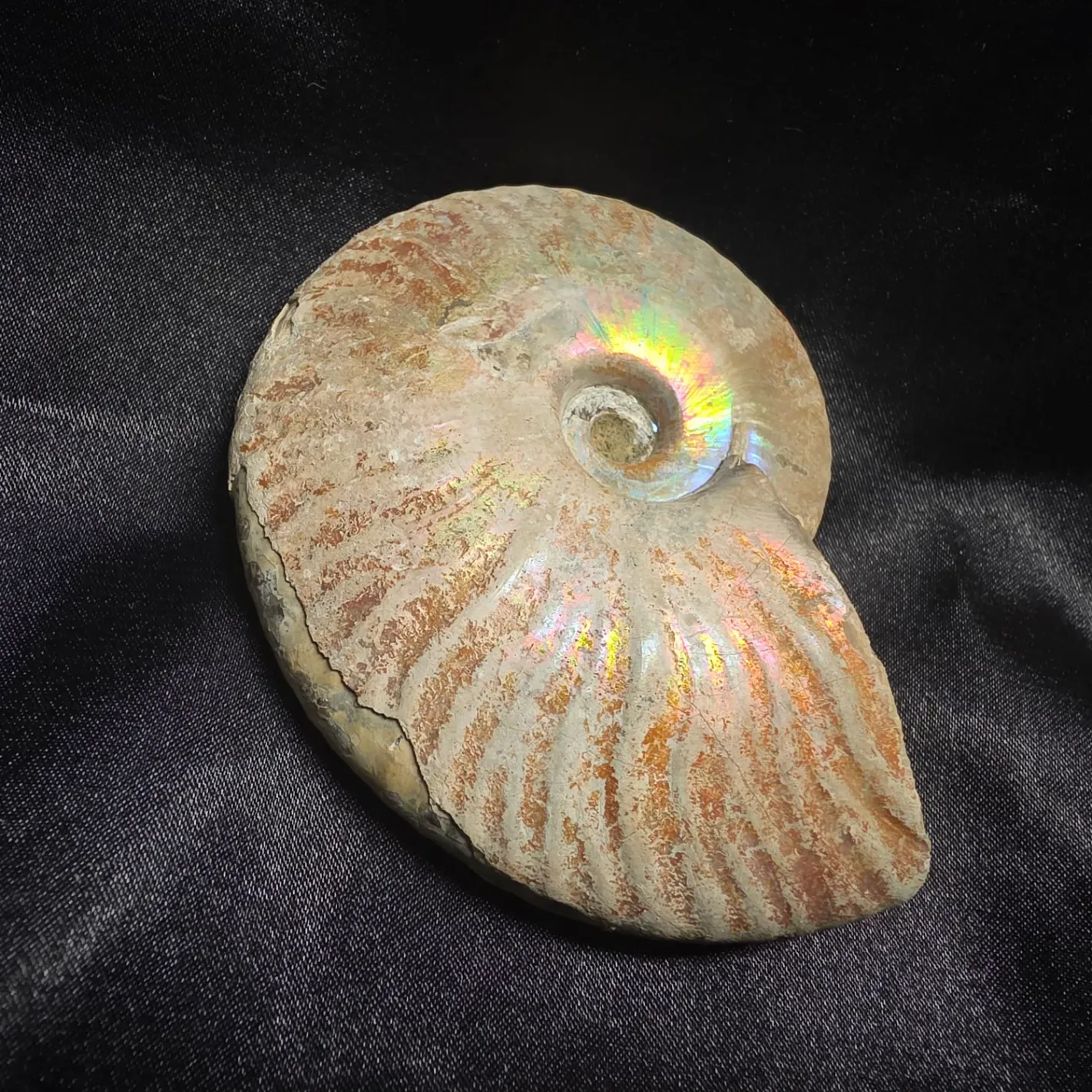
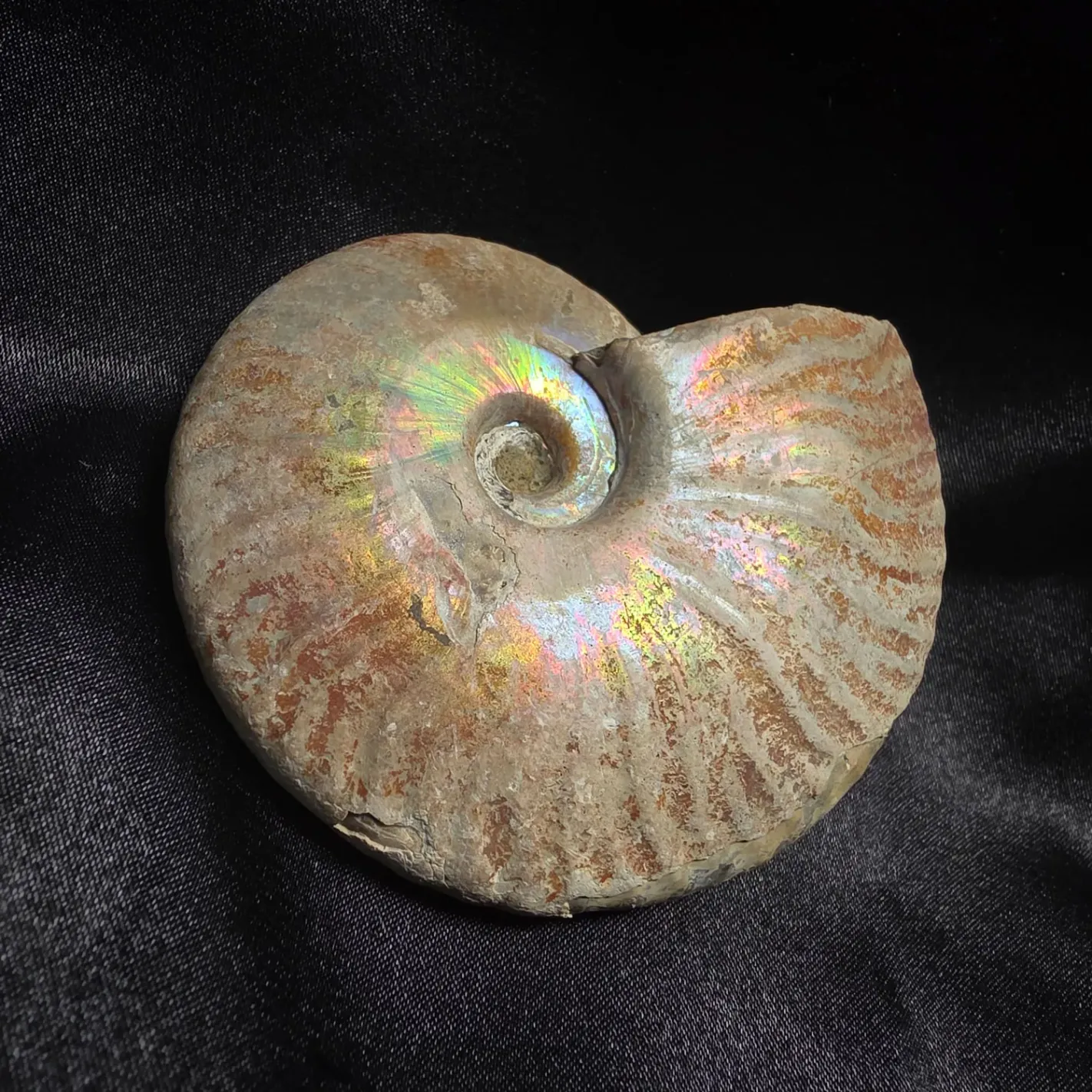
Amonite fosilizado
Last items in stock
€35.00
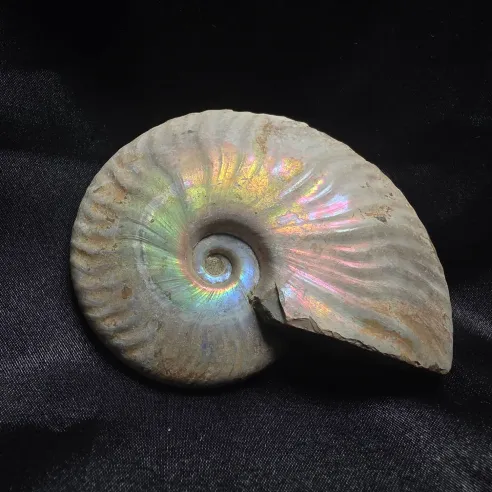
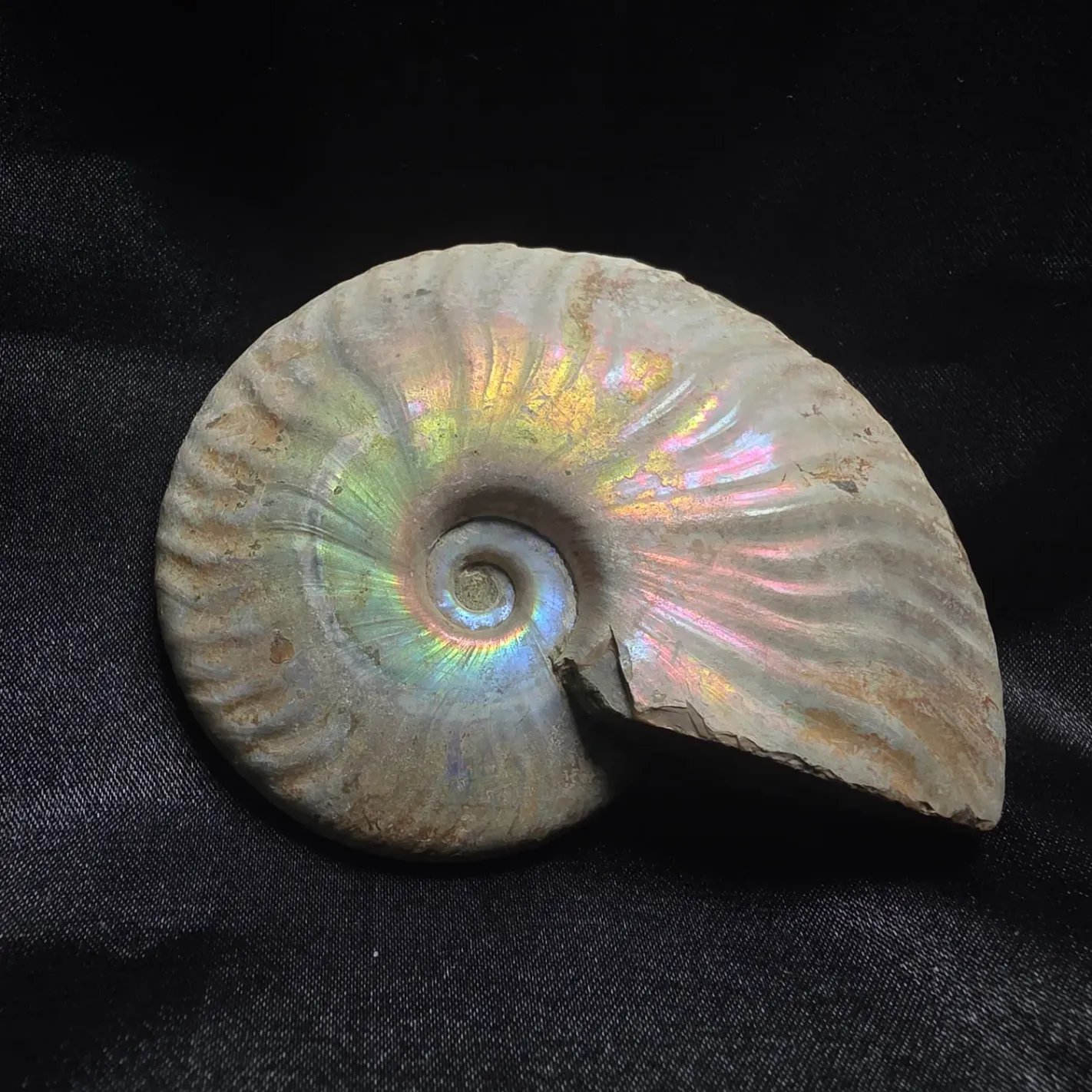
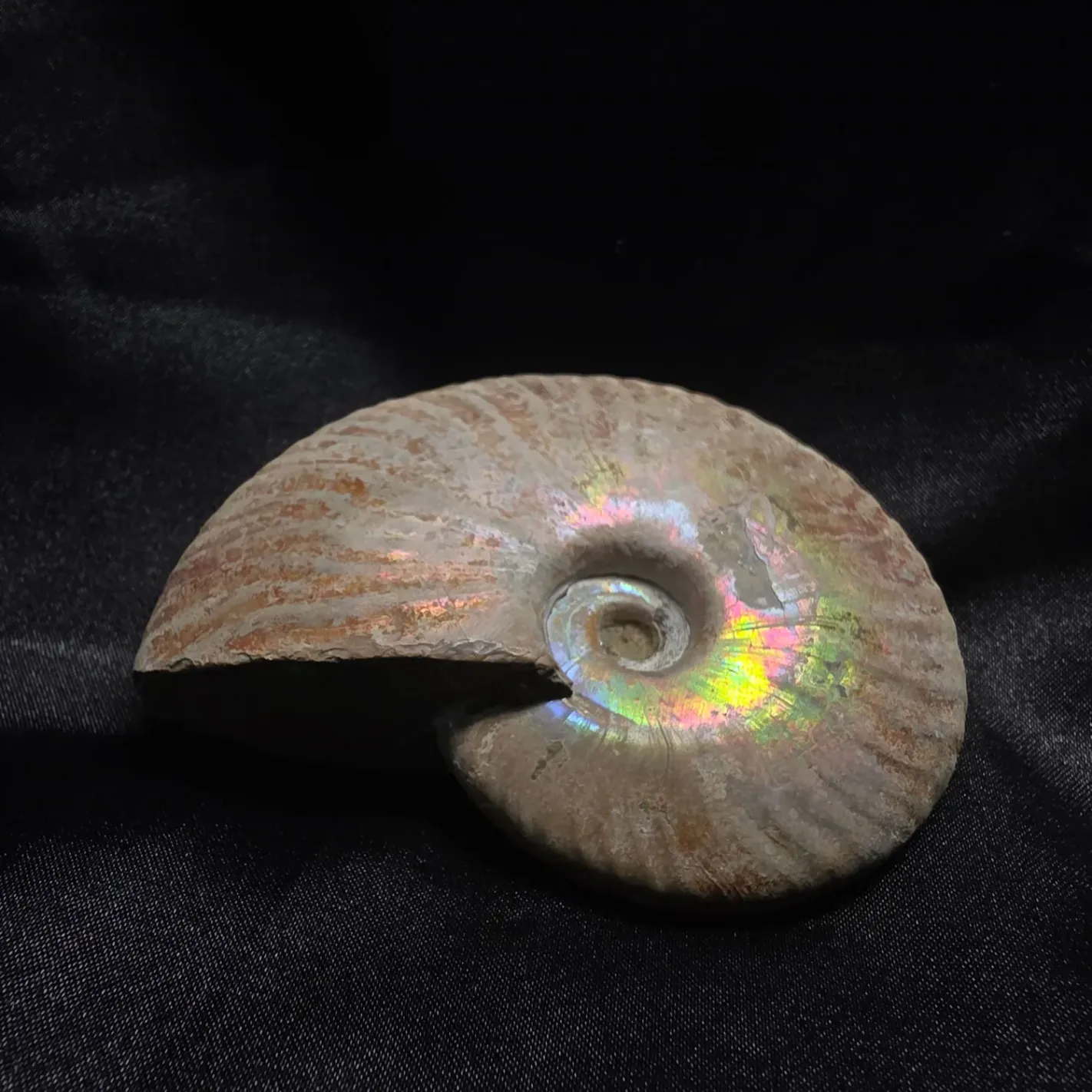
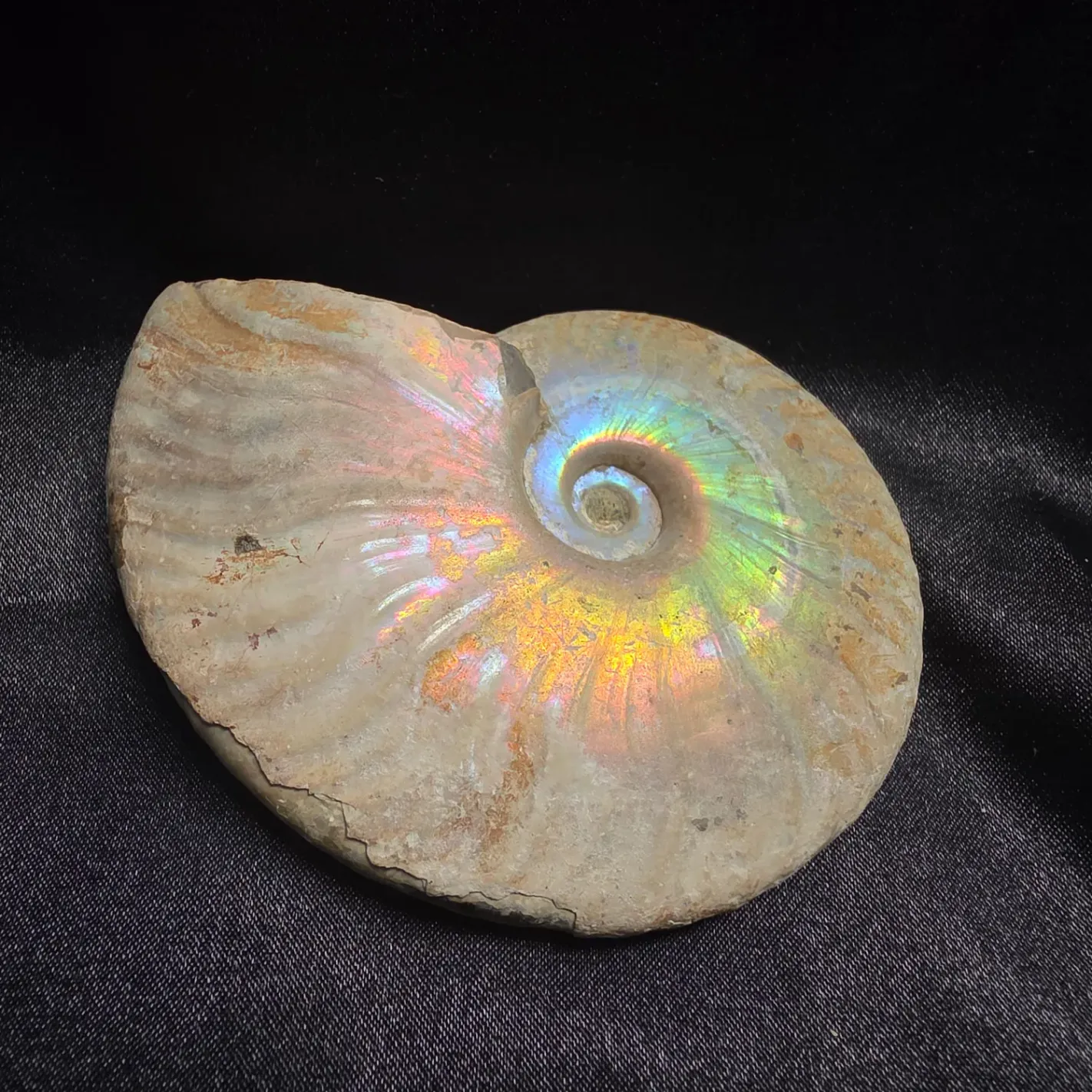
Fossilized Ammonite
The item for sale is unique and the photographs correspond exactly to the product on sale.
Approximate dimensions of the piece: 5,5 cm high x 7,1 cm wide and 1,9 cm thick, weighing 103 g
At Cristalljoia, with 40 years of experience, we offer much greater variety than what is visible on the website.
For any matter, please do not hesitate to contact us: cmd@cristalljoia.com; WhatsApp: +34 670 61 16 63
Find us in the center of Barcelona and online
We ship worldwide
Ref: Pc512cx19_AMT.FSL_99999999
Fossilized Ammonite
The item for sale is unique and the photographs correspond exactly to the product on sale.
Technical details
| Genus | Cleoniceras |
| Period | Cretaceous |
| Age | 143 - 100 million years |
| Site | Mahajanga |
| Country of origin | Madagascar |
Approximate dimensions of the piece: 5,5 cm high x 7,1 cm wide and 1,9 cm thick, weighing 103 g
Fossilized Ammonite: the piece that holds millions of years within its spiral
The fossilized ammonite is one of the most fascinating pieces there is: a perfect spiral, divided into chambers, that preserves the memory of a marine animal that disappeared millions of years ago. Unlike other decorative pieces, this one is neither manufactured nor molded: it is the result of a natural fossilization process in which minerals have gradually replaced, millimeter by millimeter, the original structure of the shell.
What makes the fossilized ammonite unique? Its logarithmic spiral structure, divided into chambers separated by thin walls (called septa), is the exact imprint of the animal's growth throughout its life. No two specimens are identical, either in size or in the pattern of their sutures.
The process: from marine shell to mineralized fossil
The ammonite was a marine cephalopod with a spiral shell internally divided into chambers. When the animal died, its shell became buried in sediment, in an oxygen-poor environment that slowed decomposition. Over an immense span of time, mineral-rich water gradually infiltrated the shell's porous structure, replacing its original material bit by bit with minerals such as calcite, pyrite, or even silica.
The result is an exact mineral replica of the original shell: every detail of its spiral, its chambers, and, in many cases, the suture lines that marked the joints between walls, is preserved. This is why, when an ammonite is cut or polished, you can see the internal chambers as if it were a cross-section of a stone snail.
Curiosity: some ammonites display an iridescent sheen in shades of red, green, and gold. This happens when the shell's original nacre (mother-of-pearl) layer is partially preserved and acts as a thin film that splits light apart, similar to what happens inside some shells today.
Features of this piece
- Material: naturally mineralized ammonite fossil.
- Structure: logarithmic spiral with internal chambers and visible suture lines.
- Color: shades ranging from gray and brown to ochre, depending on the replacement mineral.
- One-of-a-kind piece: each fossil preserves a growth pattern and state of preservation that cannot be repeated.
Each piece is one of a kind. The degree of preservation, the type of mineral that replaced the original shell, and the size of the specimen all depend on geological conditions that never repeat themselves. That's what makes every ammonite an exclusive piece.
Fun fact: ammonites were one of the most abundant and evolutionarily successful groups of marine animals of their time, and today they are one of the most widely used index fossils for dating rock layers.
Frequently asked questions
About the fossilized ammonite
- Is it a real fossil?
Yes, this is a genuine fossil: the animal's original shell has been naturally replaced by minerals over millions of years. It is not a replica or an artificial reproduction. - Why does it show those spiral lines?
These are the shell's internal chambers, separated by walls (septa) that the animal added as it grew. The wavy lines sometimes visible on the surface are the sutures, marking where those walls met the outer wall. - Why does each piece have a different color?
Because the color depends on the mineral that replaced the original shell during fossilization: calcite, pyrite, or oxides, among others, produce different tones depending on the case. - How should I care for the piece?
It's a mineralized and fairly resistant fossil, but avoid impacts and sudden temperature changes. Clean it with a soft, dry cloth, without chemical products or pressurized water.
About this piece
- What size is it?
Since this is a one-of-a-kind piece, each fossil has its own dimensions. Check the exact measurements on the product page, where they are detailed for this specific piece. - Do you have more variety?
Yes. In our physical store we have much more variety than what's shown on the website. You can contact us on WhatsApp telling us what you're looking for: we'll let you know if we have it, we can send you photos, and let you know the price and shipping cost.
About purchasing and shipping
- How do you ship it?
We ship through the Oxperta shipping agency. - How long does delivery take?
For shipments to the Iberian Peninsula, delivery takes place within 24 business hours once the order is handed over to the shipping agency, barring unforeseen issues. For other destinations, the timeframe may vary. - Can it be returned?
Yes. You have 14 days to return your purchase.
Cristalljoia, 40 years of minerals
Find us in the center of Barcelona and online
We ship worldwide
Pc512cx19_AMT.FSL_99999999
1 Item
No reviews
Tap to zoom