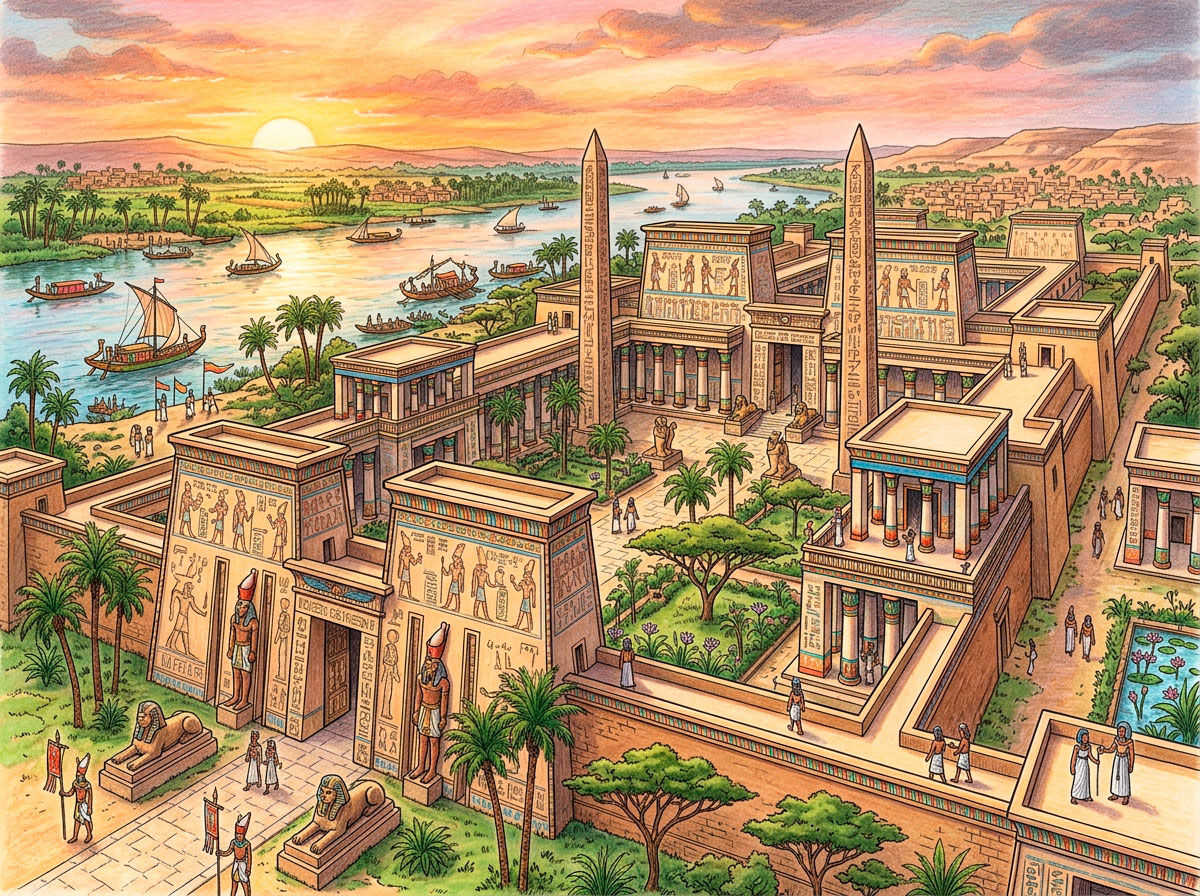
Minerals of Ancient Egypt: the chemistry behind the makeup, the mummies and the temples
Kohl, natron, lapis lazuli, alabaster: the Egyptians didn't choose their minerals out of superstition, but because they knew their physical and chemical properties with precision. A journey through the real mineralogy behind the myths
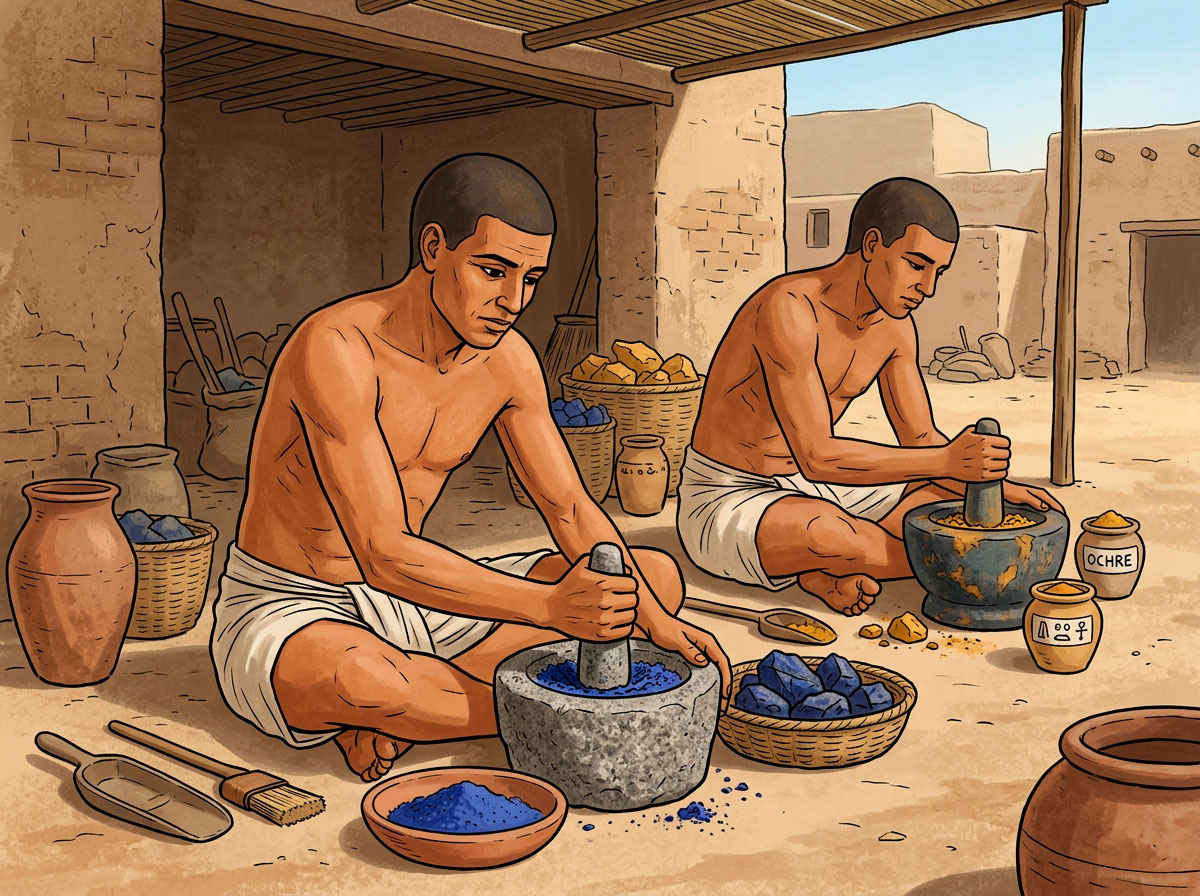
When we think of Ancient Egypt and minerals, we almost always picture the same things: the gold of Tutankhamun's mask, the deep blue of lapis lazuli, the black-lined eyes in a fresco. These images are real, but incomplete. Behind each one was a civilization that ground, mixed, heated and combined minerals with a precision we would today recognize as applied chemistry, not magic.
It's no coincidence that the word "chemistry" itself, according to one of the most widely accepted etymological hypotheses, has a root in kemet, the name the Egyptians gave to their land. Egypt didn't just use minerals: it processed and combined them for very specific purposes. That is the thread running through this journey.
In one sentence: The Egyptians used minerals like galena, malachite, natron, lapis lazuli and alabaster not out of belief, but for their real properties — color, hardness, texture or drying capacity — later wrapped in religious and symbolic language.

 670-61-16-63 cmd@cristalljoia.com In the heart of Barcelona and online