Opal from Ethiopia and Australia: Gems of Fire and Legend

Since ancient times, opal has been considered a stone of mystery and fascination. Its ability to display a rainbow of colors within a single gem made it an object of worship for Romans, Arabs, Egyptians, and later, a symbol of luxury in Europe. Two of the most admired opals today come from opposite ends of the world: Ethiopia and Australia.

The Ethiopian Opal: A modern marvel with an ancient soul

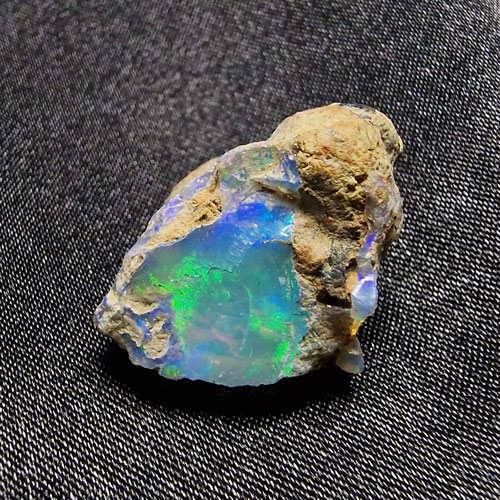
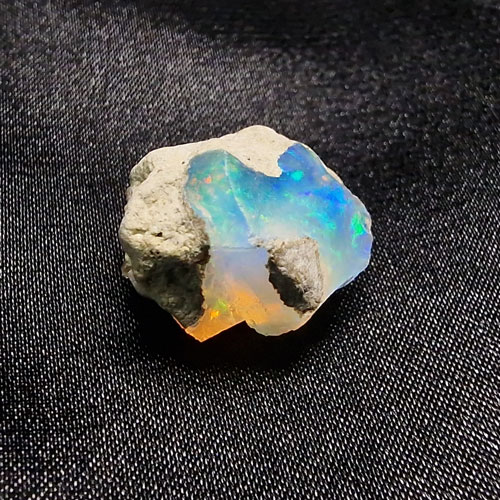
Opal deposits in Ethiopia, especially those from Welo, were discovered in the last decade but have already revolutionized the international market. Unlike Australian opals, many Ethiopian opals are hydrophane, which means they can absorb water and become more translucent temporarily, even changing color briefly.

This phenomenon makes them especially popular among collectors, but it also requires special care: they should not be exposed to very humid environments or submerged in water for long periods. Once dry, they return to their original appearance, as if slowly awakening from a spell.

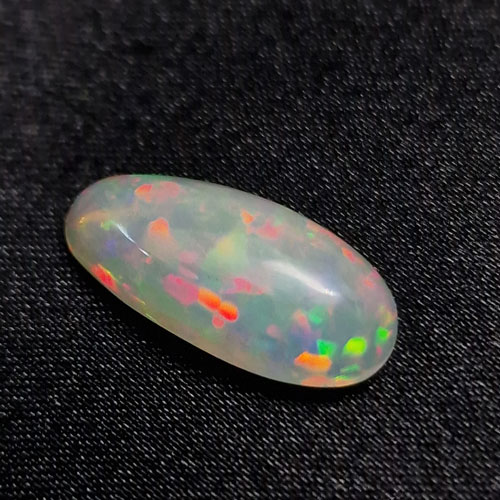
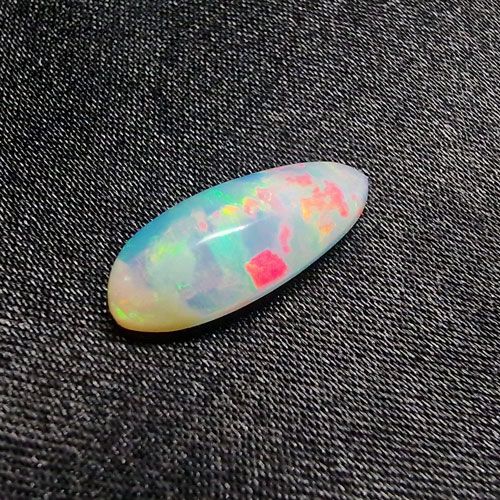
Some specimens display unusual patterns such as the famous "honeycomb", where colors form natural hexagonal cells, creating a hypnotic visual effect. Others have a milky base with flashes of green, red, and orange that appear to float.

Ethiopia has also been a source of volcanic opals with darker, earthier tones, featuring natural inclusions that make each piece unique. Their variety, accessibility, and beauty have made Ethiopian opals beloved by contemporary jewelry and stone art designers.

The Australian Opal: The origin of the modern myth

Australia is synonymous with opal. Since the discovery of deposits in Coober Pedy in 1915, the country has become the world’s largest producer. Mines like those in Lightning Ridge are famous for their black opal, considered the most valuable in the world. Its dark background allows for a much more vibrant play of color, like brushstrokes of light floating across a night sky.

Coober Pedy, whose name comes from an Aboriginal phrase meaning “white man in a hole,” is now an underground desert town built to withstand extreme heat. There, many families still mine opal by hand, keeping a century-old tradition alive.

Australian opal is not only a national symbol, but also a diplomatic jewel. In 1954, during an official visit, Queen Elizabeth II received an opal brooch as a gift showcasing the country’s natural wealth. This gem has also adorned the jewelry of Elvis Presley, Shirley Temple, and has featured in pieces by Cartier and Tiffany & Co.

Opal and superstitions

In the Middle Ages, opal was known as the “thieves’ stone” because it was believed to render the wearer invisible, especially if wrapped in a bay leaf. This made it a talisman for tricksters, spies, and alchemists.

It was also called the “rainbow stone,” and some cultures believed it contained the powers of all other gems, as it reflects all their colors. In the Arab world, it was said that opals fell from the sky in the form of solidified lightning. In Australia, Aboriginal tribes told of the Creator descending on a rainbow, and as he touched the ground, the stones began to shine with its colors.

Famous jewels and modern applications

Today, both Australian and Ethiopian opals are found in high-end jewelry, collectible pieces, and even luxury watches. In 2017, the brand Piaget launched a collection combining opal with diamonds and rose gold. Contemporary designers around the world are beginning to work with Ethiopian opals for their originality and liquid beauty.

In addition, some artists use polished opals in sculptures or decorative musical instruments, and in the world of technology, the internal structures of opal have been studied to inspire nanomaterials capable of manipulating light.

A natural light show in stone

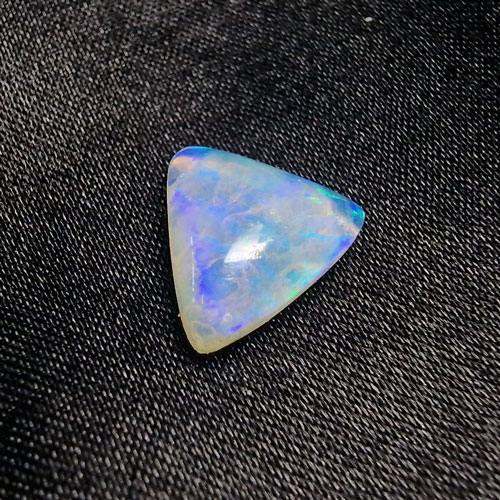
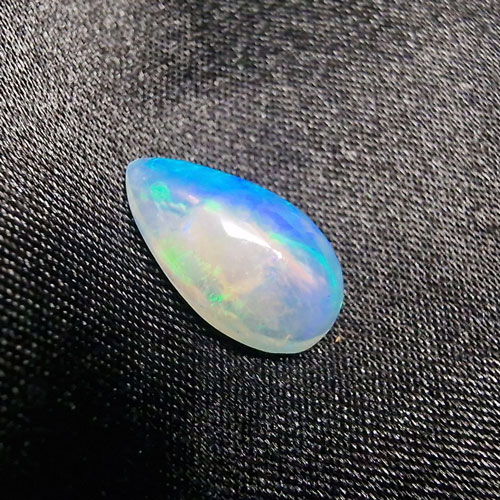
Whether in the form of cabochon opals, freeform cuts or faceted gems, these stones continue to captivate with their mystery. Their play of color is an optical phenomenon caused by the microscopic arrangement of silica spheres, creating a unique diffraction of light in the mineral world.

Opal is not just a gem — it is a universe encapsulated: inside, it holds galaxies, northern lights, and dreams of fire.

Looking for a specific mineral?

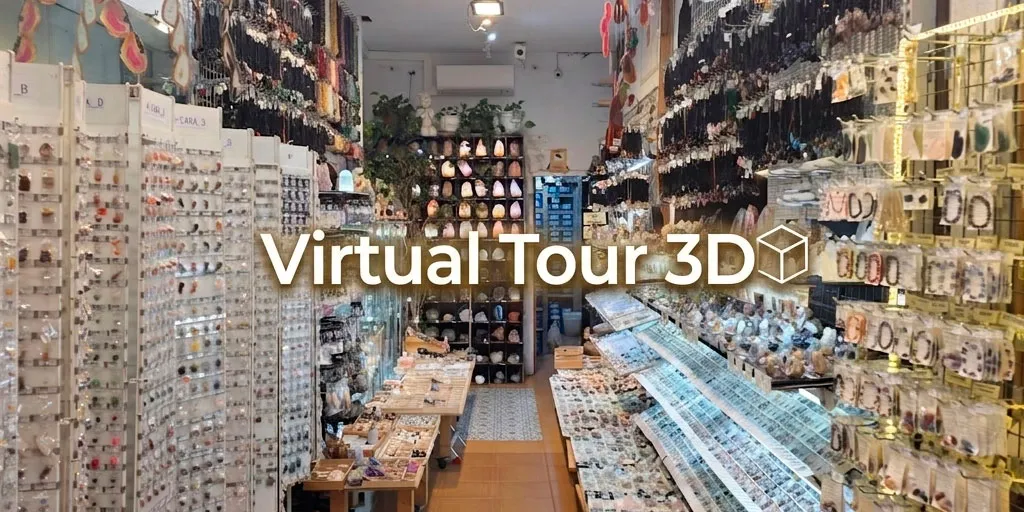
At our physical store in the centre of Barcelona we have many more options than what you see online.

If you can't find what you're looking for online, message me on WhatsApp at +34 670 61 16 63.

I'm Jéssica and I'll be happy to help.

visita virtual 3D

Related products

Product added to wishlist
Product added to compare.

Looking for a mineral? Write us