
 670-61-16-63 cmd@cristalljoia.com In the heart of Barcelona and online
Shopping Cart
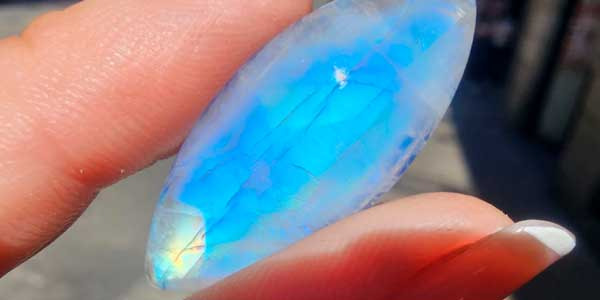
Moonstone, lunar glow captured in stone
Discover the magic of moonlight captured within moonstone
Read more
Fluorescent minerals under UV light
Discover the fascinating fluorescent minerals under UV light at Cristalljoia
Read more
Descubre el brazalete de mineral perfecto para tí
We offer an immense variety of mineral bracelets; discover some of them here.
Read more
Fluorite: properties, uses, and secrets of the most powerful multicolored mineral
Fluorite is a fascinating mineral known for its colors and properties. Learn what it is used for, its applications, and its meaning.
Read more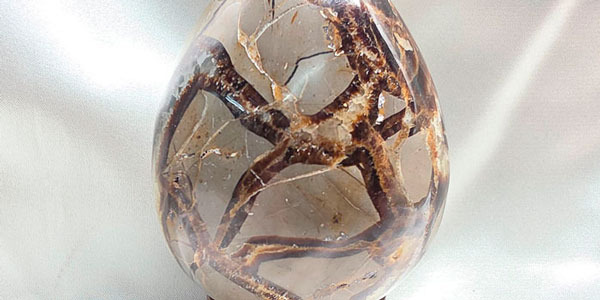
Septarea, el secreto de las grietas de Madagascar
Septarian from Madagascar: a natural stone with history, craftsmanship, and beauty
Read more
Black Obsidian Mirror: Complete Guide to Use, Benefits, and Authenticity 2026
Looking for an authentic black obsidian mirror? Discover what it’s used for, its benefits, and how to use it. We offer small, medium, and large sizes (8 to 15 cm) with a free cleansing kit included. Buy yours in Barcelona and connect with your truth!
Read more
The history of dice and mineral symbolism
Dice are among the oldest gaming objects in the history of humanity. Their origin goes back several millennia.
Read more
Chalcedony in the hands of Romans and Greeks: power, seals, and secrets
Greeks and Romans engraved their authority in chalcedony: signet rings, contracts, magic, and politics. A humble stone that sealed agreements, protected secrets, and upheld power.
Read more
Hemimorphite, luminous and serene, holds a fascinating secret.
Hemimorphite is not a common crystal; it is a rebel of geometry. Its name comes from the Greek “hemi” (half) and “morphé” (form), and this holds a fascinating secret.
Read more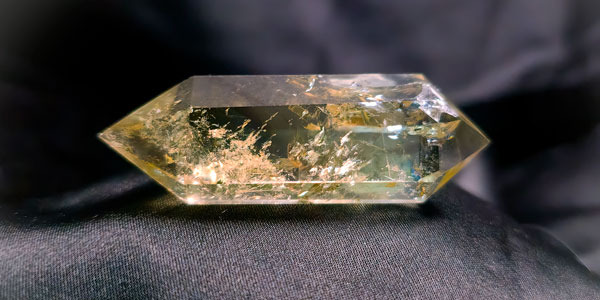
Lemon Quartz, summer freshness
Lemon quartz is like a ray of sunshine captured in crystal: a gem of pure clarity that transforms dense energy into vibrant optimism.
Read more