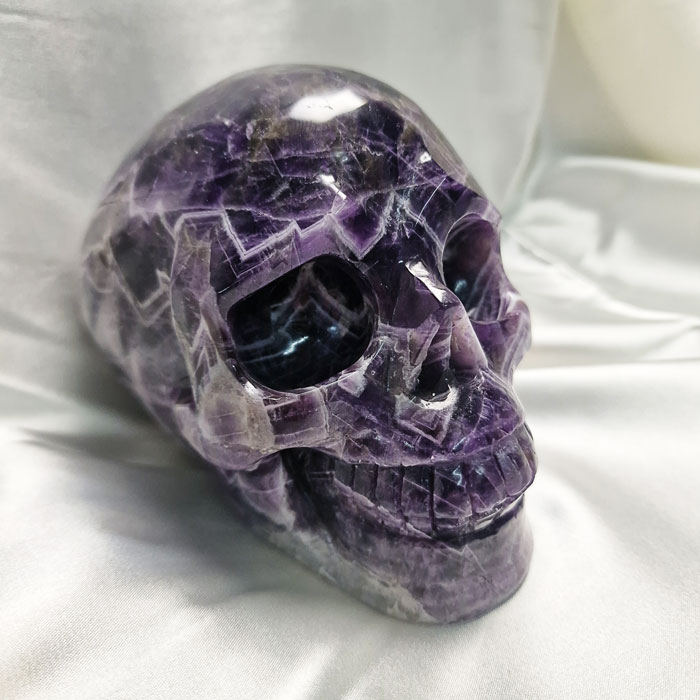
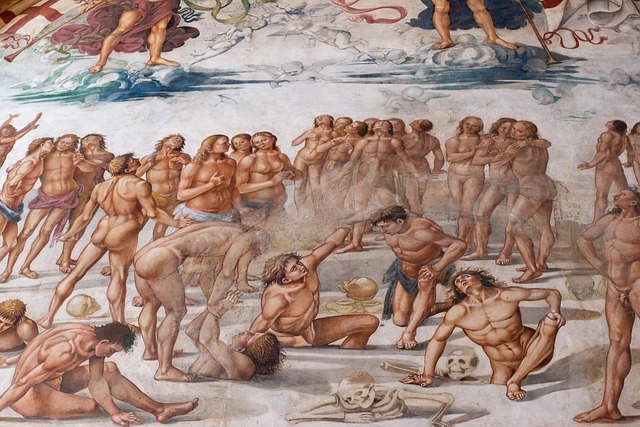
In cinema, the skull is used as an immediate visual symbol loaded with meaning. Its presence often represents death, danger, power, memory, or transformation, and its interpretation depends on the narrative context of each film.
Indiana Jones and the Kingdom of the Crystal Skull (2008)
In this film, the crystal skull symbolizes ancestral knowledge and the unknown. It is not merely an archaeological object, but a form of knowledge that exceeds human capacity and becomes dangerous when one attempts to control it. The skull serves as a warning about the limits of power, ambition, and unchecked curiosity.
Pirates of the Caribbean (2003–2017)
The skull, present on flags, sets, and characters, acts as an emblem of threat and freedom. It represents defiance of authority and a life lived outside the law. At the same time, it reminds viewers that piracy and the sea are tied to constant risk and proximity to death.
Poltergeist (1982)
In horror cinema, the skull reinforces the sense of rupture between worlds. In Poltergeist, human remains symbolize profanation and the impossibility of rest for the dead. The skull ceases to be abstract and becomes a physical presence that intensifies horror.
The Lord of the Rings: The Return of the King (2003)
In the sequence of the Paths of the Dead, skulls and bones represent the memory of broken oaths and a debt to the past. The skull symbolizes an intermediate state between life and death, reinforcing the ideas of destiny and redemption.
Coco (2017)
In contrast to other films, Coco offers a positive vision of the skull. Skulls symbolize memory, remembrance of ancestors, and family continuity. Here, the skull does not provoke fear, but celebrates life through remembrance.
Mad Max: Fury Road (2015)
In this film, the aesthetic use of skulls is associated with violent power and the cult of death. They function as symbols of an extreme world where survival dominates and death is part of the social order.

 670-61-16-63 cmd@cristalljoia.com In the heart of Barcelona and online