Where mineral names come from: five ways to christen a stone
Amethyst, hematite, labradorite, morganite, dolomite... every mineral name hides a small human decision: who was honoured, which place was remembered, which property caught the eye first
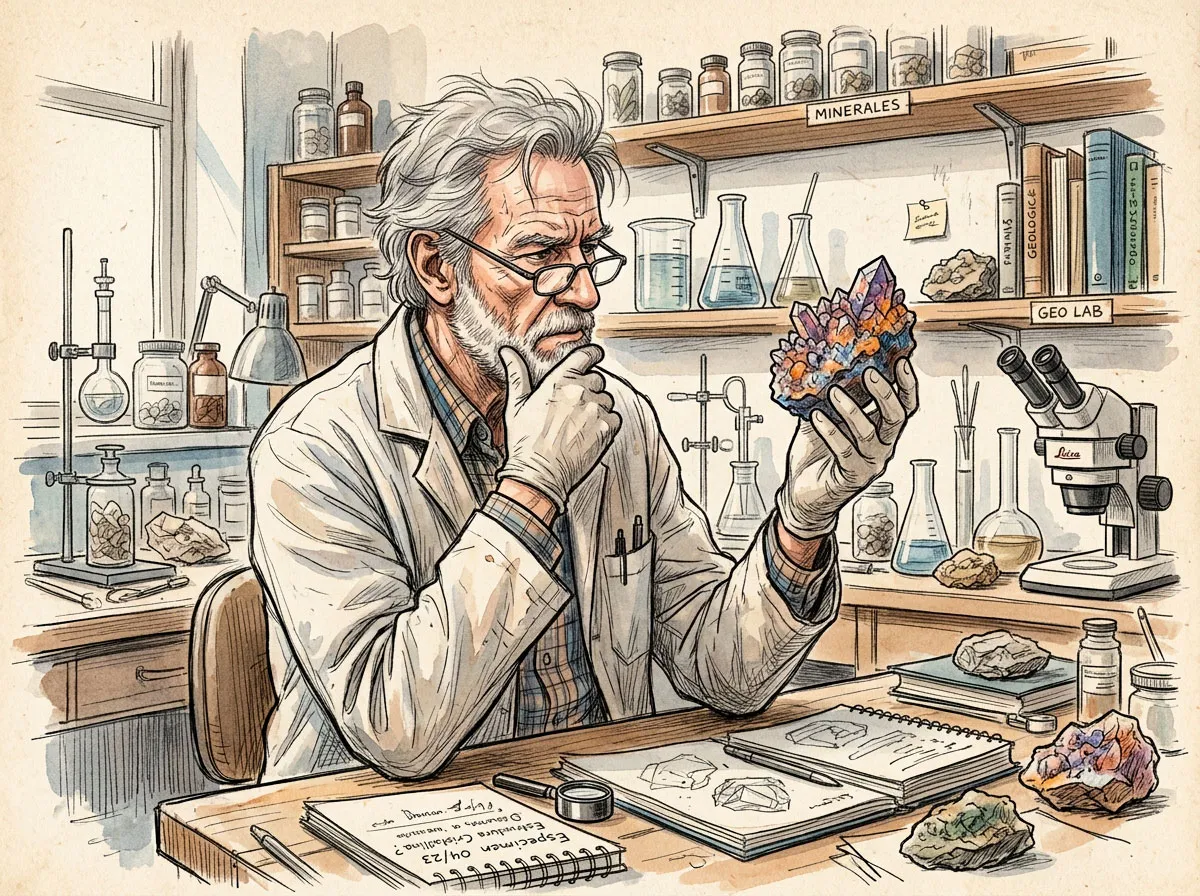
Anyone who starts taking an interest in minerals eventually asks the same question: why are they called that? Mineral names are not arbitrary or decorative. Each one is, in effect, a small historical record: it notes who first described the mineral, where it was found, which feature stood out, or which ancient story became attached to it long before mineralogy existed as a science. Behind every name lies a decision — made by a specific person, at a specific moment — and that decision is still governed today by an international body.
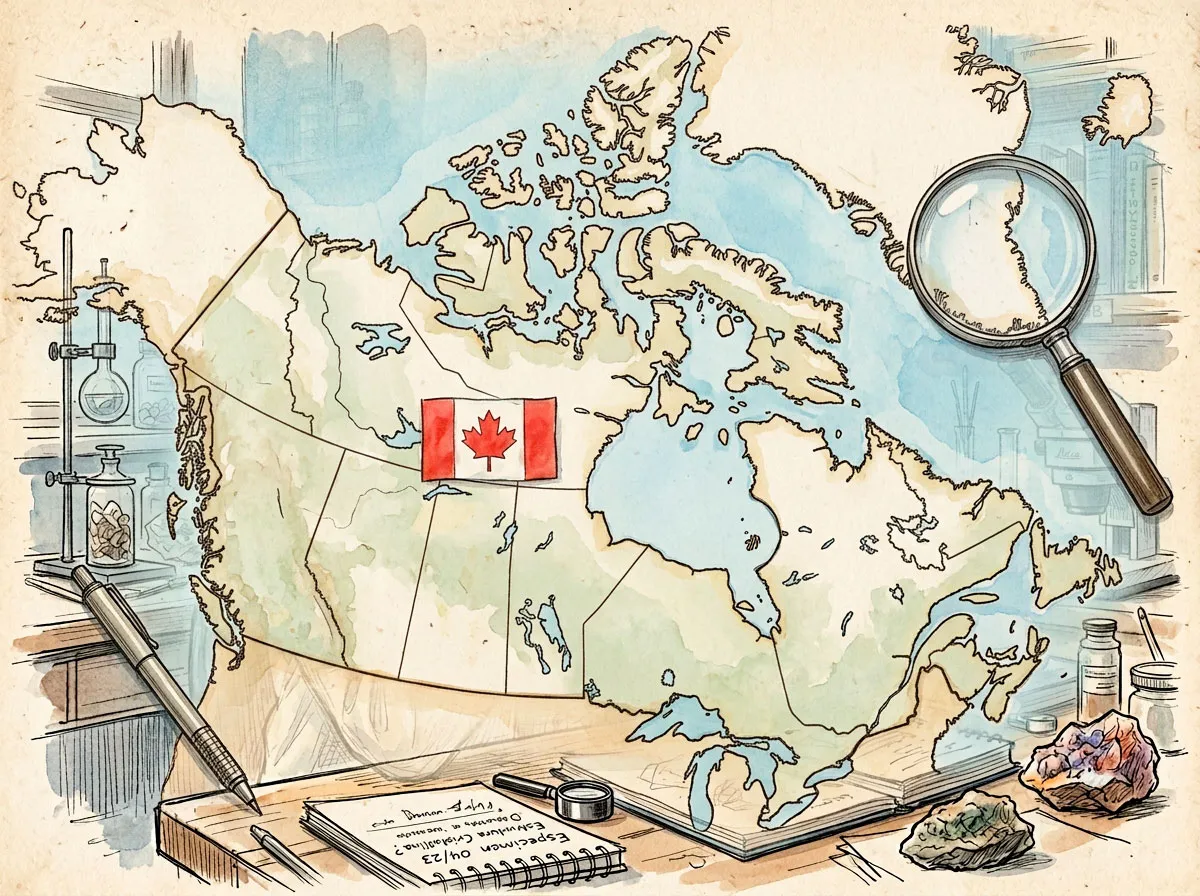
Looked at calmly, almost every mineral name fits into one of five broad groups: people, places, physical properties, chemical composition, or mythology and ancient languages. Knowing these five groups completely changes the way you read a label in a collection: it stops being a strange word and starts telling a story.
In one sentence: Mineral names almost always fall into five categories: tributes to people, references to places, descriptions of a physical property, allusions to chemical composition, or inheritances from mythology and ancient languages. Since 1959, every new name must also be approved by an international IMA commission.

 670-61-16-63 cmd@cristalljoia.com In the heart of Barcelona and online