Gem or mineral: why they're not the same thing, even though they seem to be
What turns a mineral into a gem, why not every gem is a mineral, and exactly where the line between the two terms sits
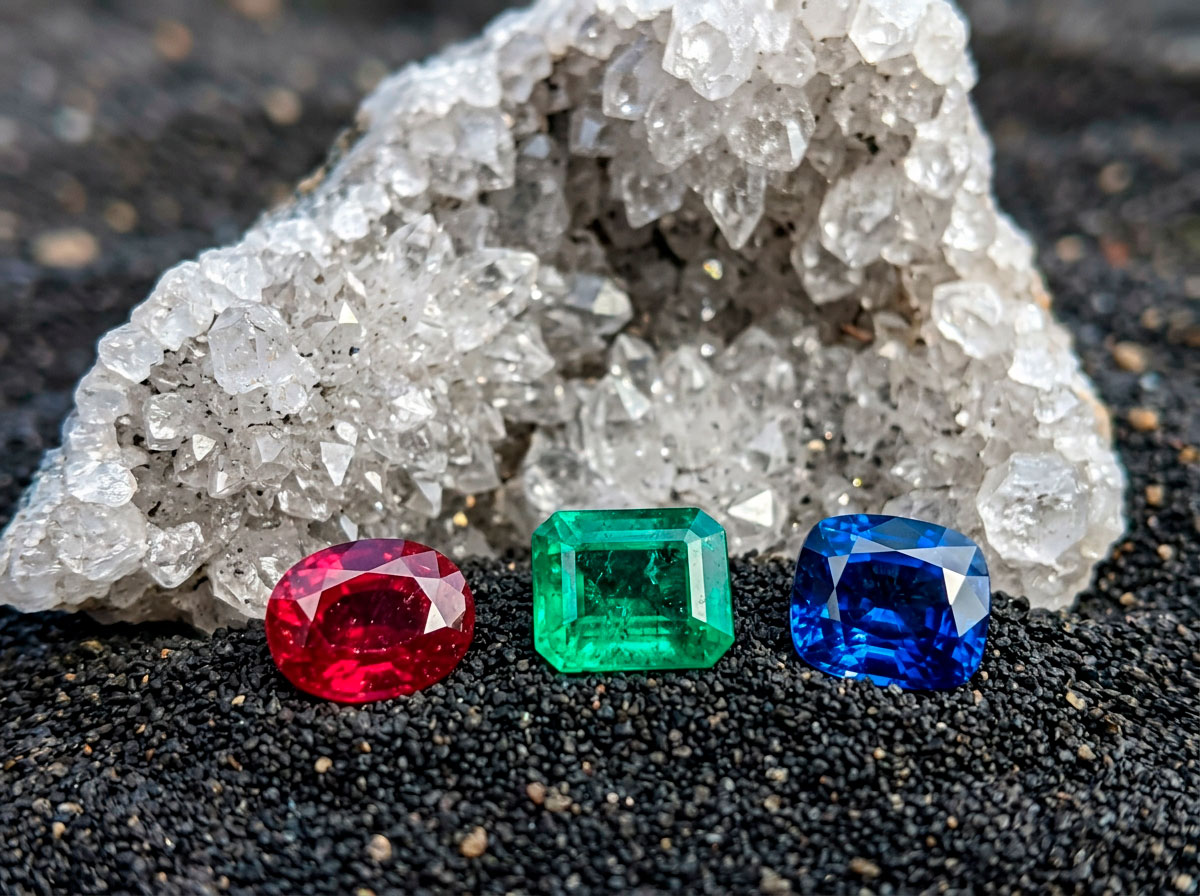
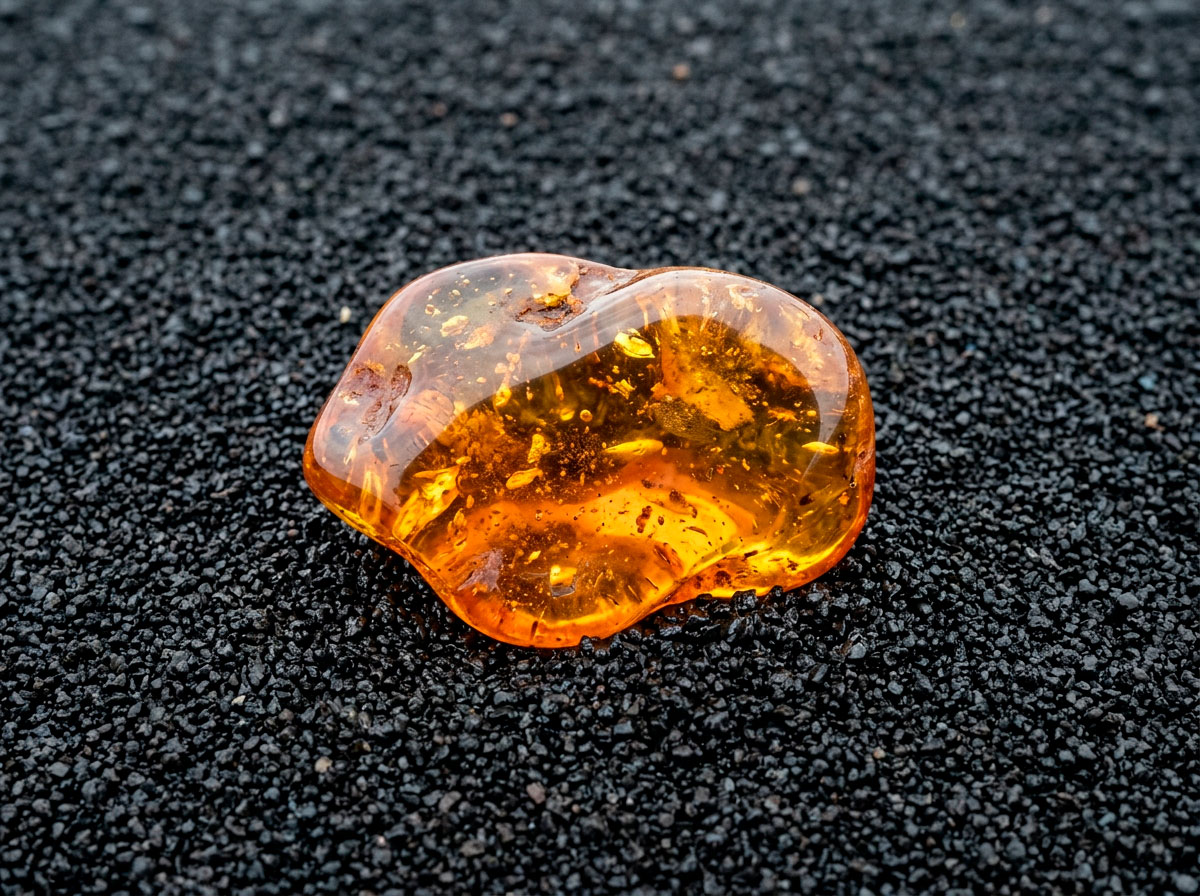
In jewelry, we use "gem" and "mineral" almost as synonyms, and it's easy to see why: most of the gems we know—quartz, topaz, garnet, feldspar—are, in fact, minerals. But the two terms respond to completely different criteria, and mixing them up leads to common mistakes, like assuming amber or pearl are minerals when they actually aren't.
Before going into detail, it helps to start with the technical definitions. According to the Mindat.org glossary, a standard reference in mineralogy:
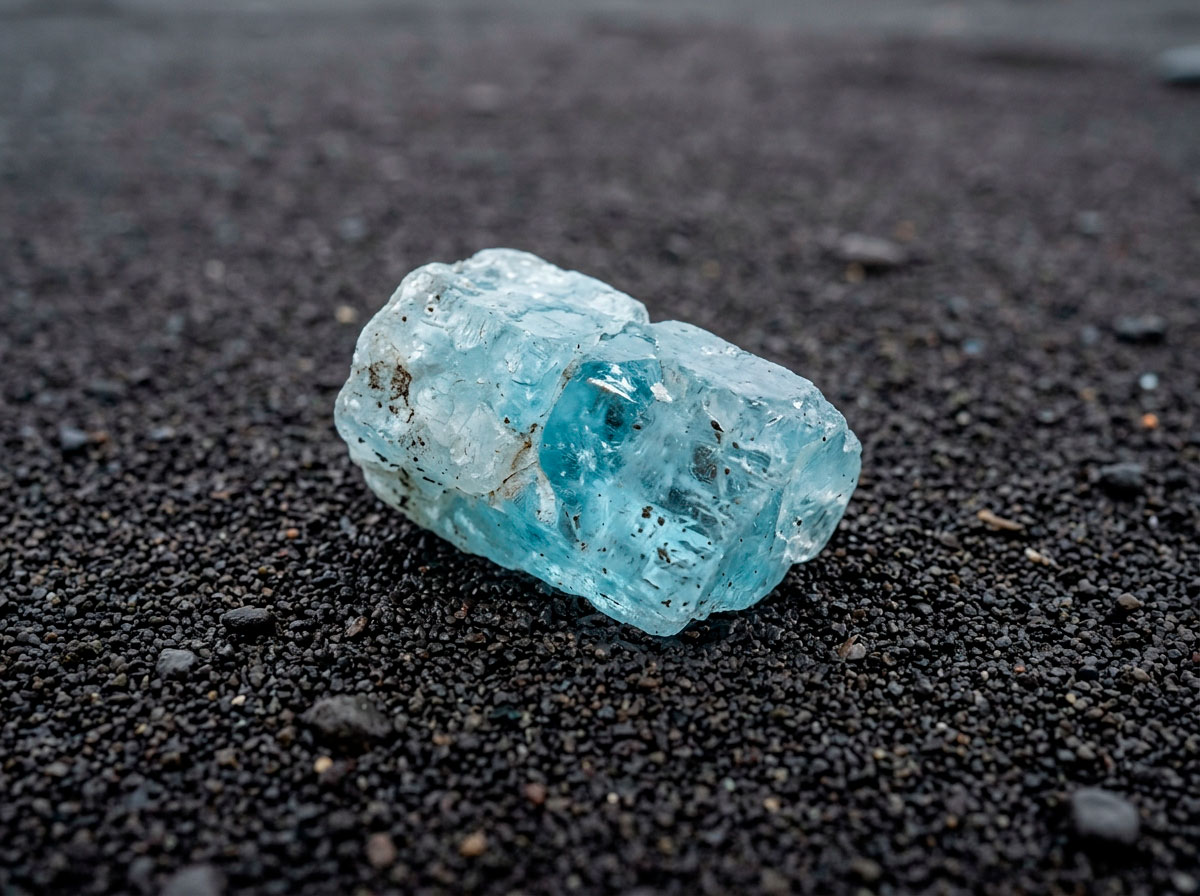
Mineral (Mindat.org): a naturally occurring inorganic element or compound having an orderly internal structure and characteristic chemical composition, crystal form, and physical properties.
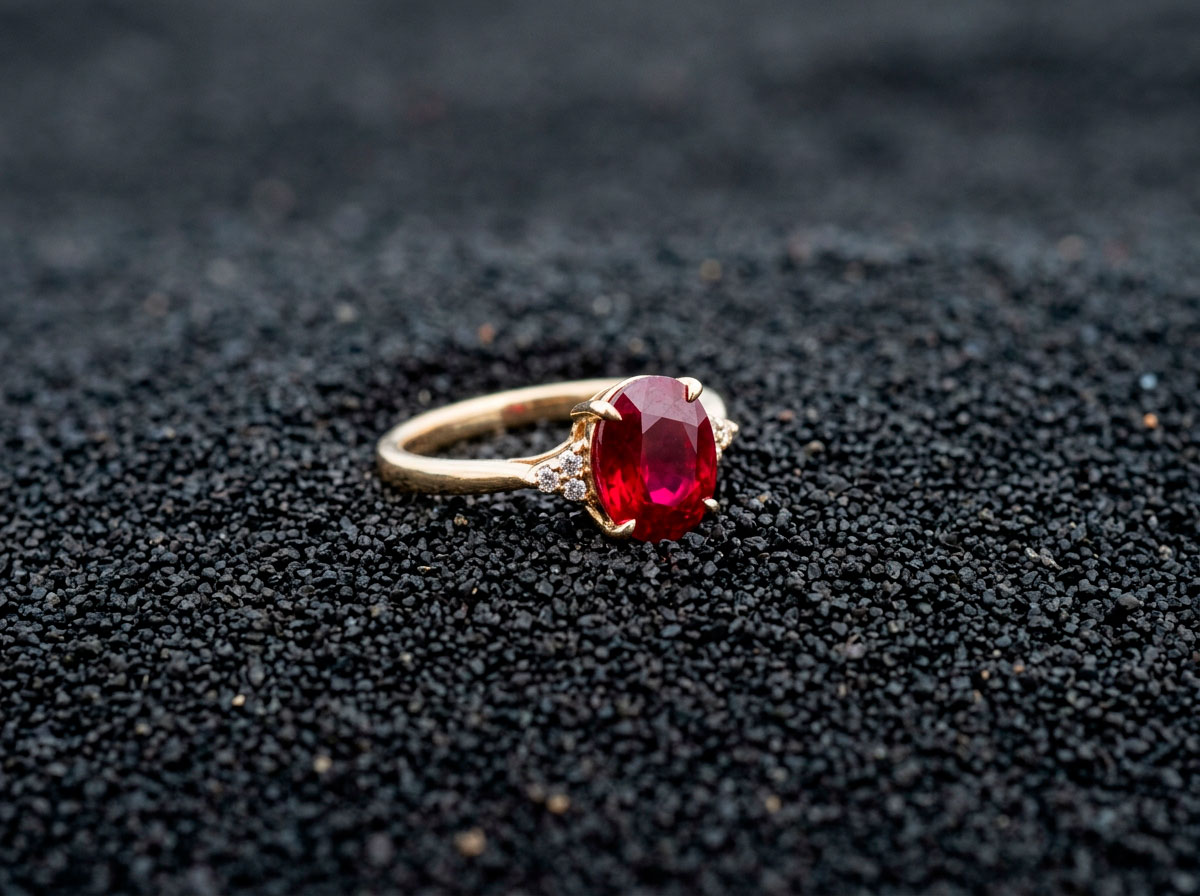
Gem (Mindat.org): a stone (or hard organic stone-like material), usually cut and polished, that has intrinsic value and possesses the necessary beauty, durability, rarity, and size for use in jewellery as an ornament or for personal adornment; a jewel whose value is not derived from its setting.

 670-61-16-63 cmd@cristalljoia.com In the heart of Barcelona and online