obsidian-is-not-a-mineral-Cristalljoia-Barcelona

Is obsidian a mineral? The answer might surprise you

It's one of the questions we get most often in the shop, and it's a good one: obsidian is one of the most widely used stones in jewellery and decoration, and yet… technically it's not a mineral. How can that be?

What exactly is obsidian

Obsidian is a natural volcanic glass. It forms when lava from a volcano cools so rapidly that the atoms have no time to organise themselves into an ordered crystalline structure. The result is an amorphous solid — that is, one with no internal crystalline network.

And that's the key: for something to be a mineral, its atoms must be arranged internally in an orderly, repeating pattern — like bricks laid one by one following an exact design. That internal order is what creates crystals. Quartz, amethyst, fluorite… they all have that «brick order» inside. Obsidian doesn't: its atoms were «frozen» in the chaos of rapid cooling, with no time to organise. That's why scientists call it a mineraloid rather than a mineral.

obsidian-is-not-a-mineral-Cristalljoia-Barcelona

So is it like window glass?

Essentially yes, though with some nuance. Both are amorphous solids with no crystalline structure. The difference is that window glass is made by human hands, while obsidian is made by a volcano at temperatures between 700 and 1,200 °C. The process is exactly the same: melting and rapid cooling.

Interestingly, synthetic glass has existed for around 5,000 years. Obsidian has been used by humans far longer: there are knapped obsidian tools dating back more than 700,000 years.

Obsidian facts you probably didn't know

  • The sharpest edge in the world. A well-knapped obsidian blade can have an edge just 3 nanometres thick — around 500 times sharper than a surgical steel scalpel. For this reason, some specialist surgeons still use it today in eye microsurgery.
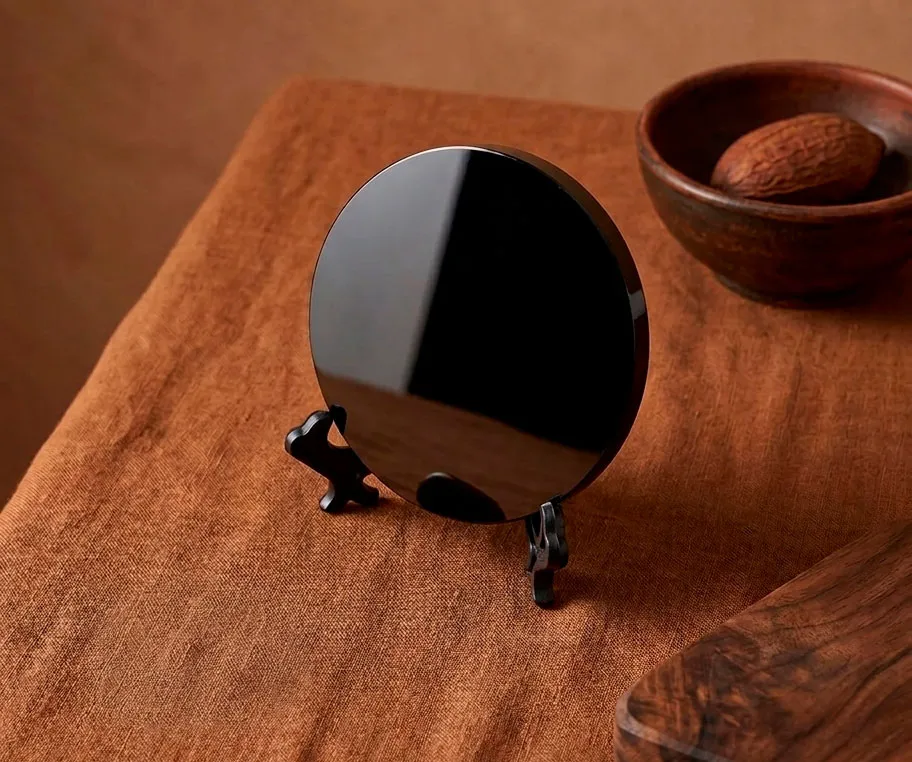
  • Weapon, mirror and oracle. The Aztecs used it simultaneously as an arrowhead, as a mirror for divination rituals (tezcatl), and as a sacred symbol of the god Tezcatlipoca, «the smoking mirror».
  • A geological clock. The hydration layers that form on the surface of obsidian over time allow archaeologists to date objects with considerable precision. The technique is called obsidian hydration dating.
  • There is obsidian on other planets. Volcanic glasses similar to obsidian have been detected on the surface of Mars, where intense volcanic activity also took place.
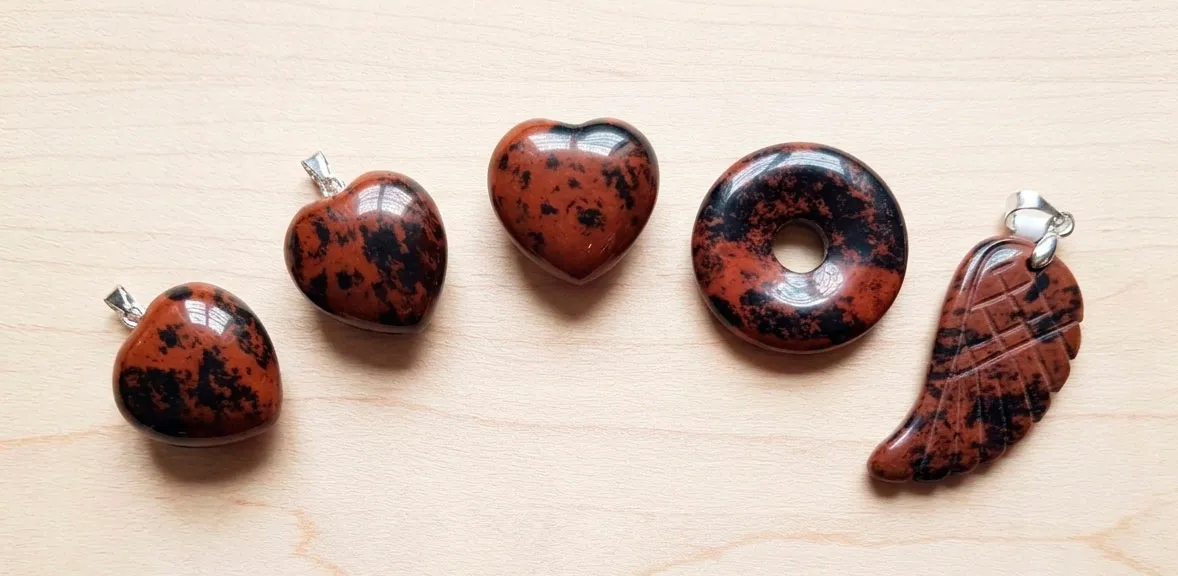
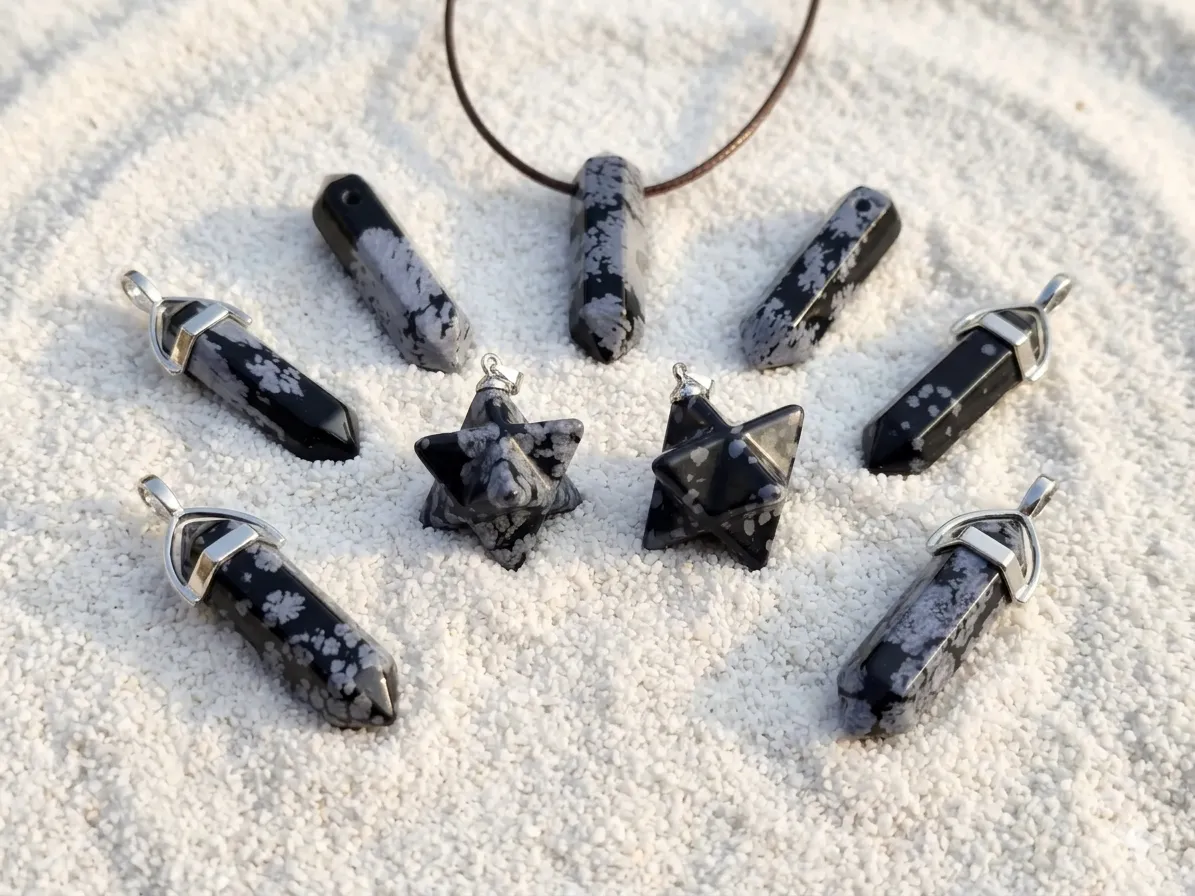
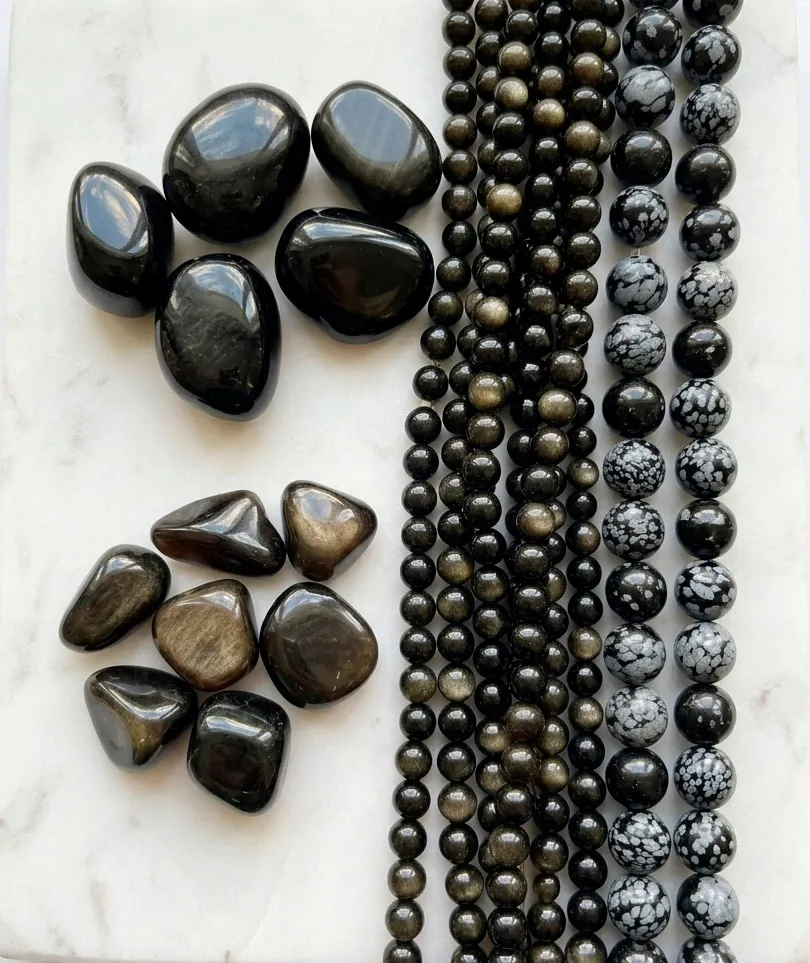
  • It's not always black. Although black obsidian is the best known, its colour depends on impurities: magnetite particles make it black, iron oxides tint it red or brown, and when it contains small gas bubbles or mineral inclusions, the «snowflake» effect appears — or the golden and silver sheen of rainbow obsidian.
obsidian-is-not-a-mineral-Cristalljoia-Barcelona

Why do we sell it if it's not a mineral?

At Cristalljoia we have been working with obsidian for over 40 years because what matters is what it is, not how science classifies it. It is a natural volcanic rock of 100% geological origin, with unique physical properties and an extraordinary human history. The mineral/mineraloid distinction matters to geologists, but it changes nothing about its beauty or its energy.

That said, we believe it is essential that everyone who buys from our shop understands what they are buying. For us, understanding the origin of a stone is the foundation of everything else.

obsidian-is-not-a-mineral-Cristalljoia-Barcelona

Looking for a specific mineral?

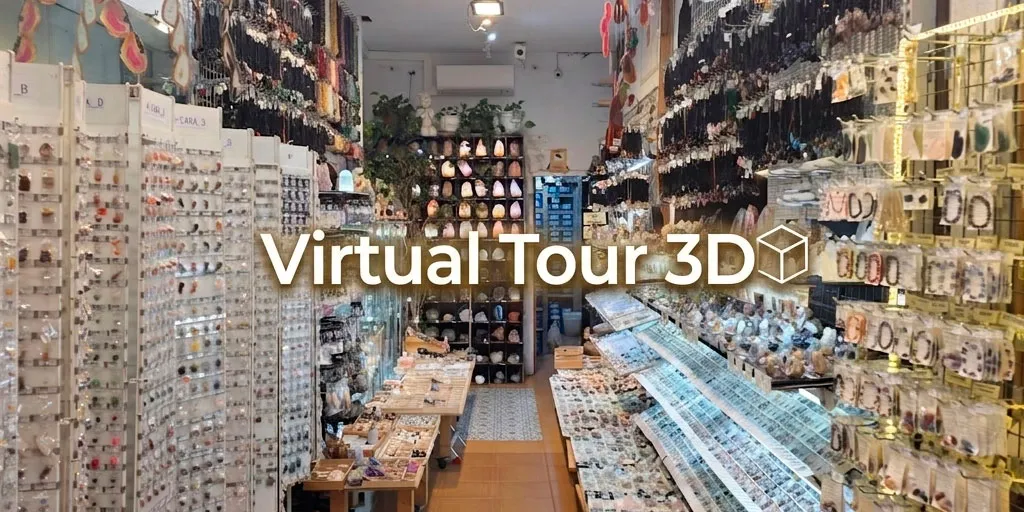
At our physical store in the centre of Barcelona we have many more options than what you see online.

If you can't find what you're looking for online, message me on WhatsApp at +34 670 61 16 63.

I'm Jéssica and I'll be happy to help.

visita virtual 3D
Product added to wishlist
Product added to compare.

Looking for a mineral? Write us