6. So why are there so many stones that are quartz or chalcedony?
It's no coincidence — there's a very simple reason behind it:
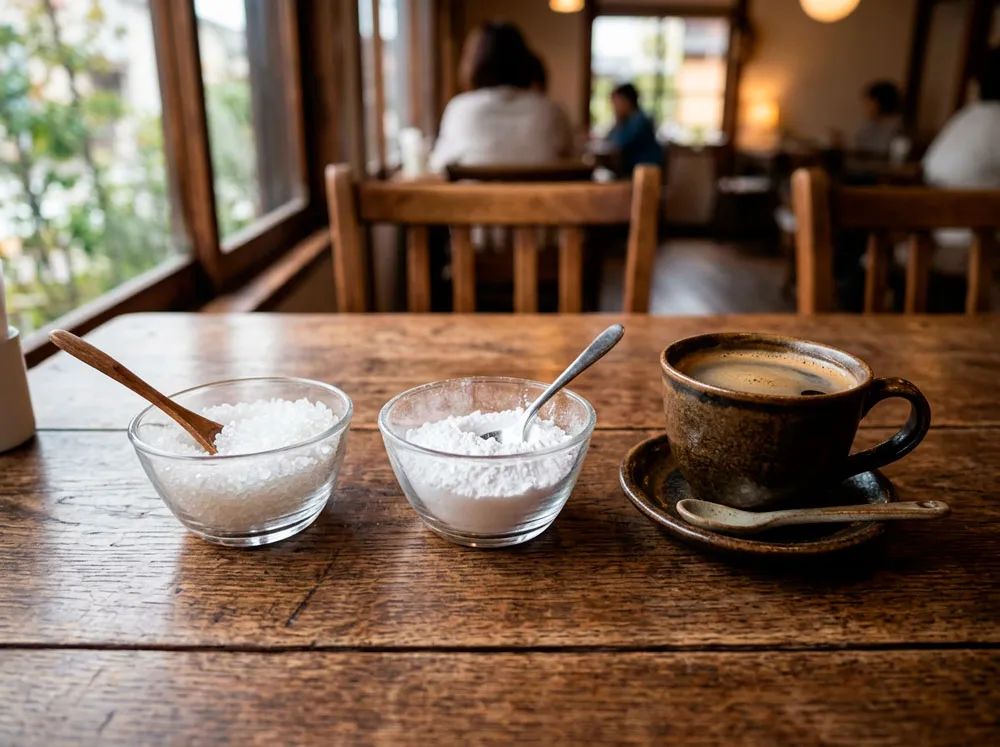
- As mentioned at the start, silica is one of the most abundant compounds on the planet. It's available in practically every type of rock.
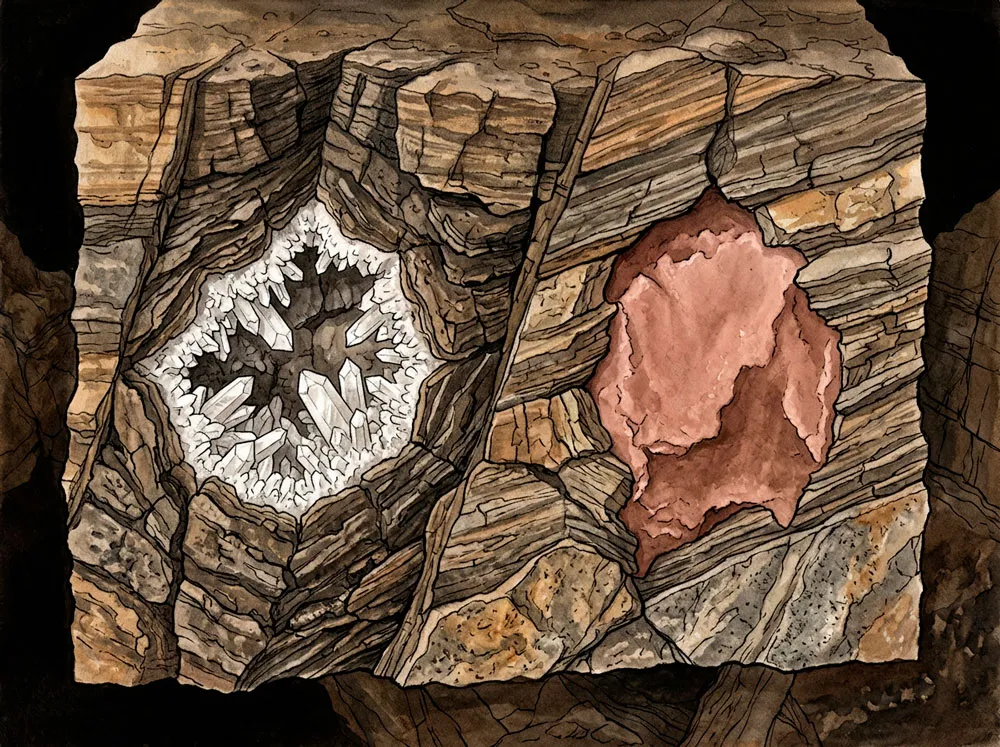
- It's relatively easy for groundwater to dissolve it and redeposit it in gaps and cavities, so it forms in a huge range of different geological environments: volcanic, sedimentary, hydrothermal...
- It's highly resistant to erosion and wear, far more so than other minerals, so it survives intact for millions of years while the surrounding rock erodes away.
- And, to top it off, it can absorb a great many different impurities while still remaining silica, which is what produces that enormous variety of colours and patterns from a single base ingredient.
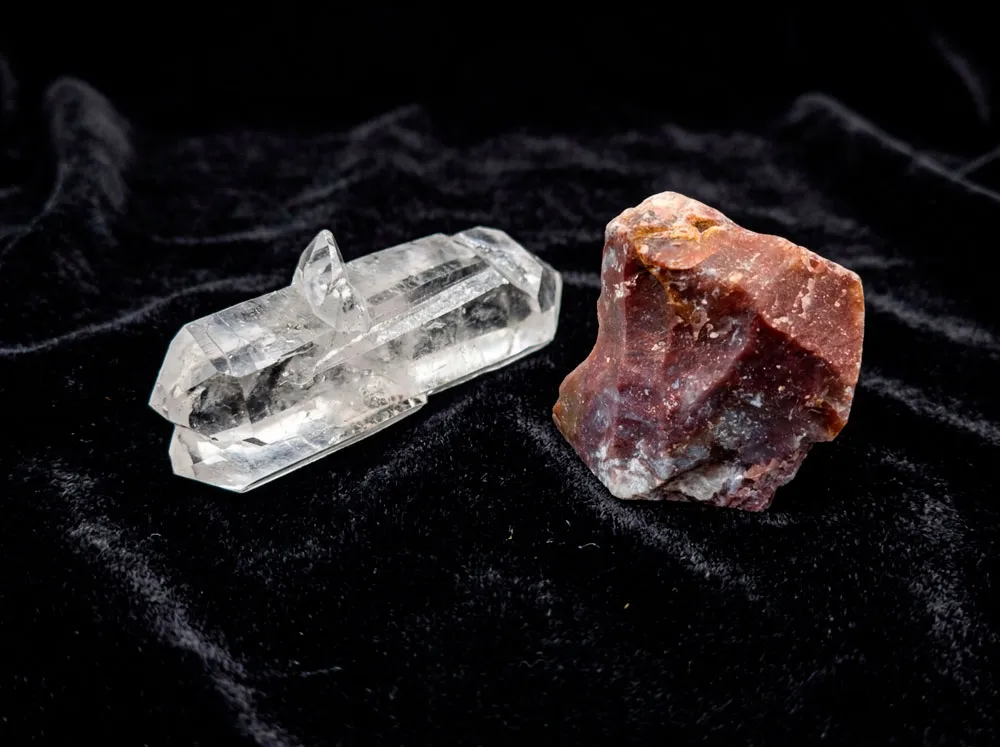
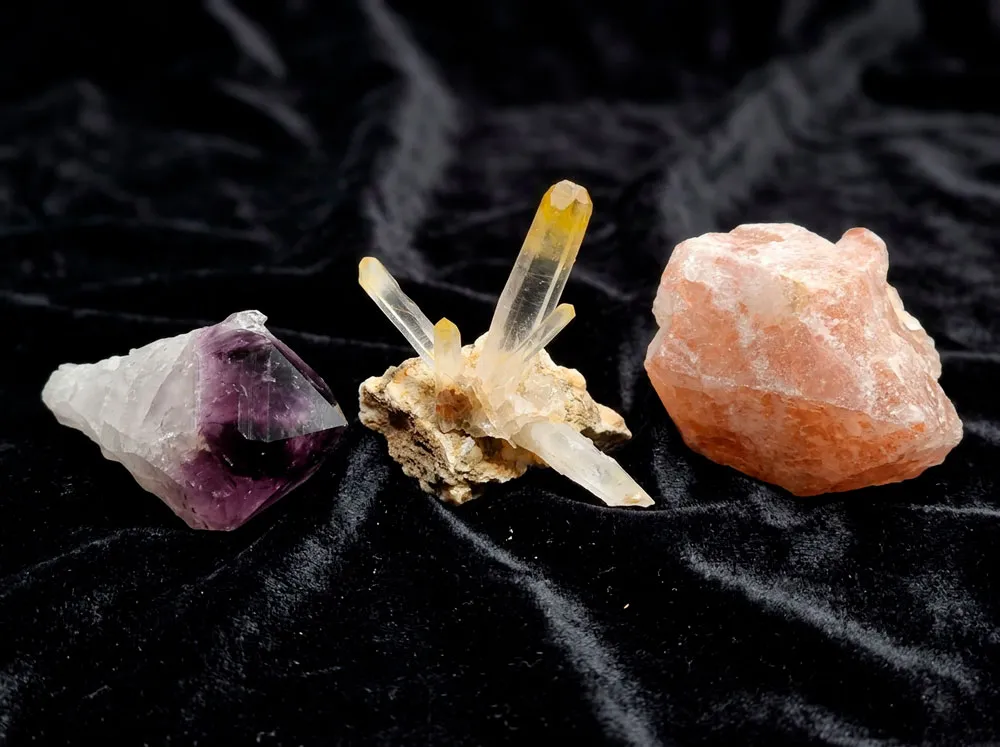
Amethyst, carnelian, jasper or rock crystal: different name, different colour, but underneath it all, the same silica telling a different story depending on the size of its crystals.
In short: quartz and chalcedony are both silicon dioxide, but quartz forms large crystals with visible faces (rock crystal, amethyst, citrine, rose quartz), while chalcedony forms crystals so tiny that the stone looks uniform on the outside (agate, carnelian, onyx, jasper, chrysoprase). The colour of each variety depends on which traces or impurities got trapped as it formed, and silica gives rise to such a wide variety of stones because it's abundant, easy to dissolve and transport in water, and highly resistant to the passage of time.

 670-61-16-63 cmd@cristalljoia.com In the heart of Barcelona and online