Why Madagascar produces such spectacular minerals: the story behind every piece
Celestine, dumortierite, apatite, labradorite, ammonites... the red island isn't just the biodiversity paradise we all know: underneath, it's hiding a story that's just as rich
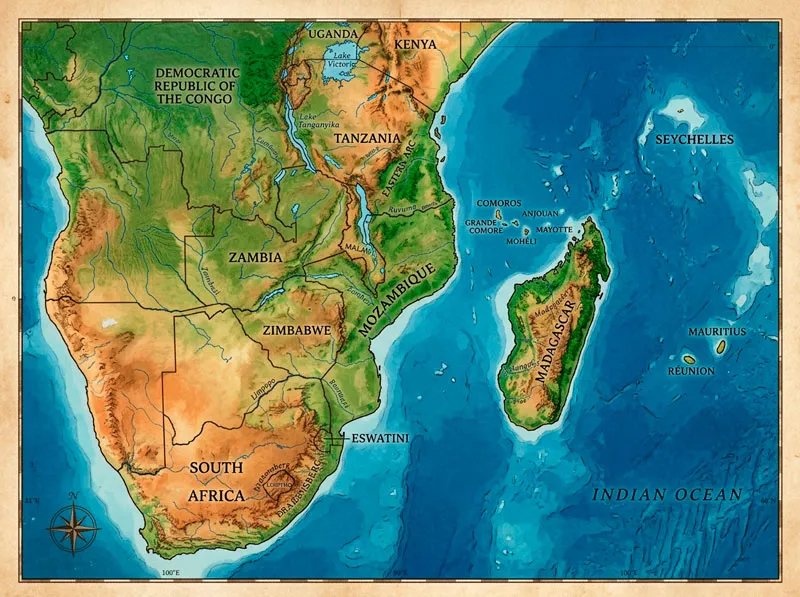
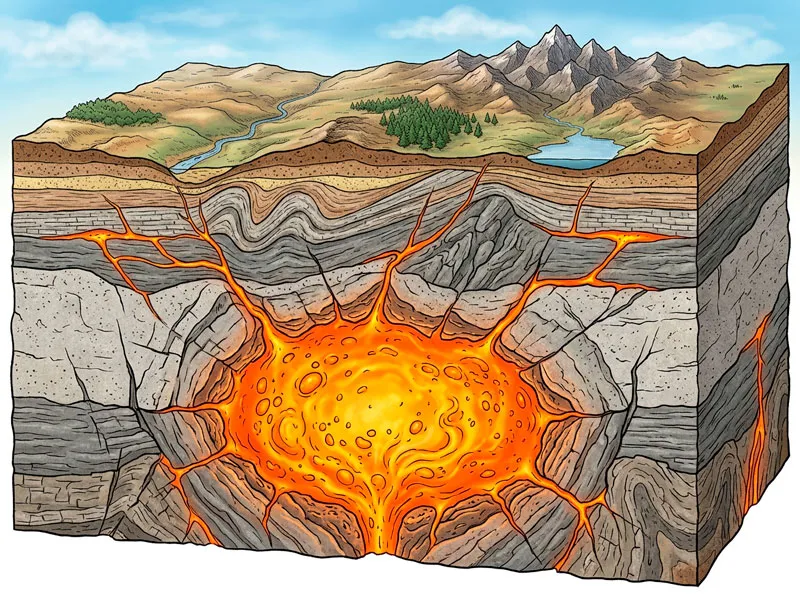
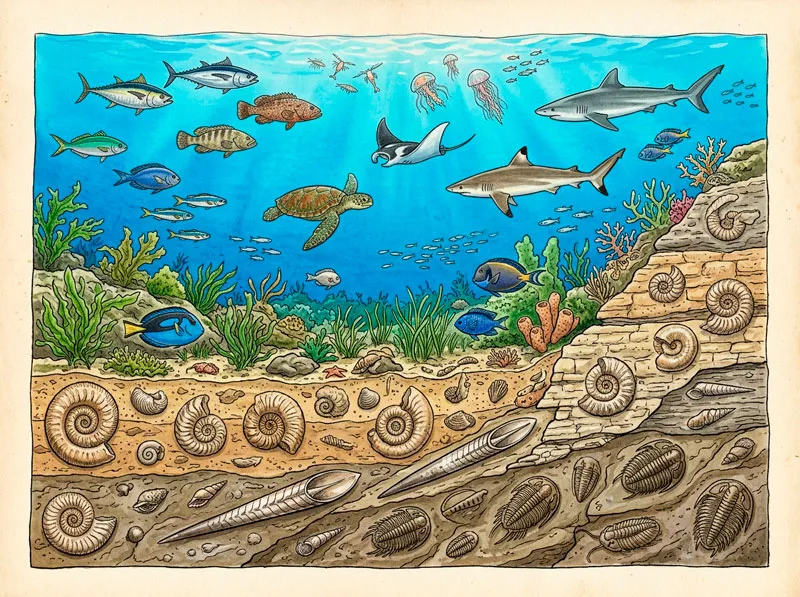
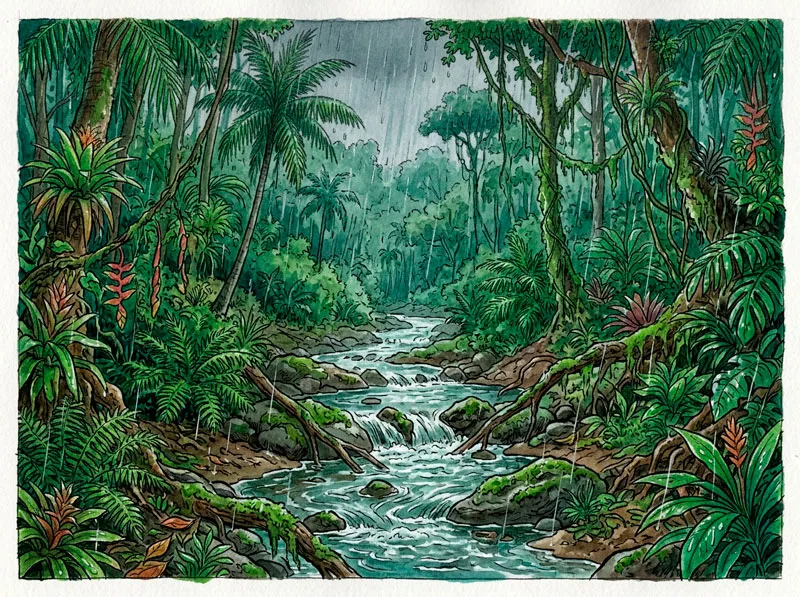
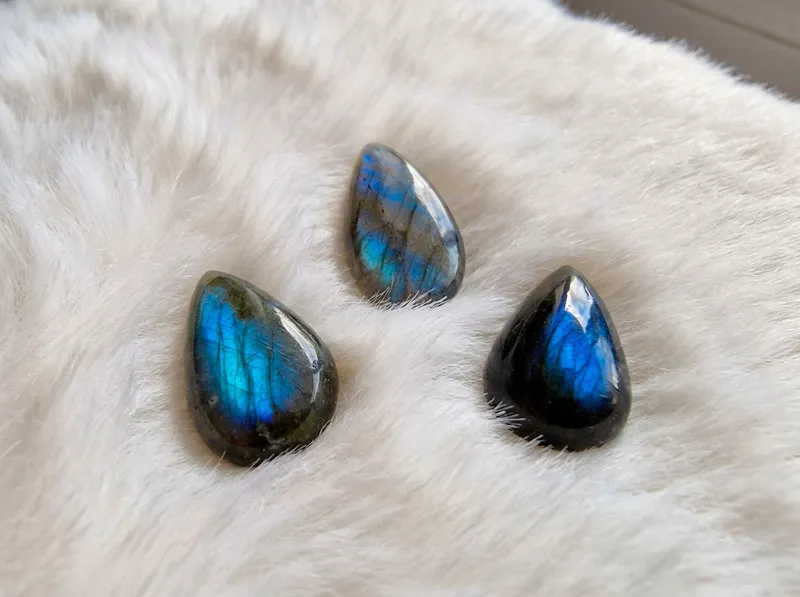
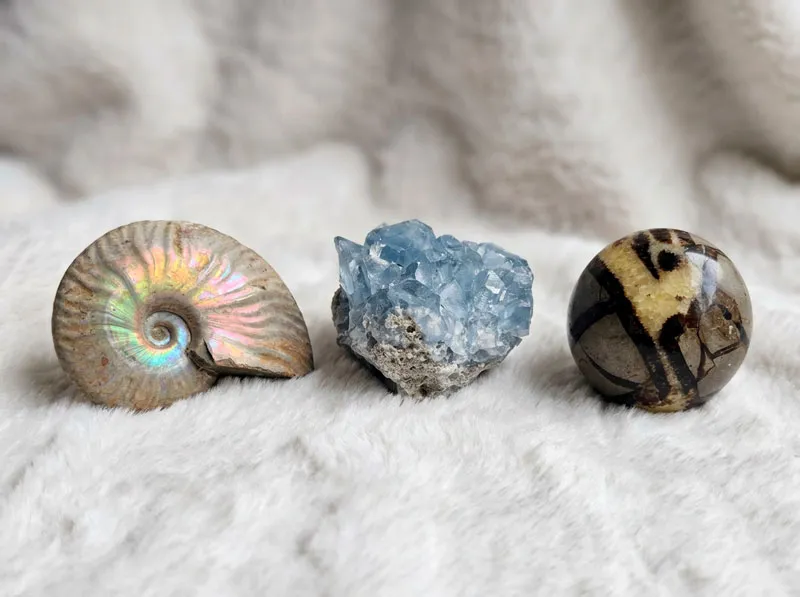
Anyone who has turned a labradorite over in their hand and watched it flash blue and green, or held a celestine geode with crystals the size of a finger, has asked the same question: why does so much of this come from Madagascar, and in such variety? It's not chance. This island has been through, one after another, several things that almost never line up in the same place: it's a chunk of extremely old rock that one day broke away from a much bigger continent; that "breaking away" left cracks through which magma rose and built real factories for large crystals; part of the island, on top of that, was under the sea in a much more recent era, so there the story is completely different, one of oceans and fossils; and to top it off, today's rain and heat have spent thousands of years "scrubbing" the surface clean, leaving crystals almost sitting in plain sight.
No single one of these things on its own would explain the variety found today in one country. It's the combination that means the same catalogue can hold pieces that took millions of years to cook underground alongside fossils from a sea that no longer exists.
In one sentence: Madagascar has such a wide range of minerals because it's a chunk of extremely old rock that split off from a bigger continent, because that split opened up cracks where magma rose and formed pockets giving crystals plenty of time to grow large, because part of the island was under the sea in a much more recent era and formed completely different pieces there (fossils, geodes), and because today's climate erodes the land hard enough to leave much of all this almost at ground level.

 670-61-16-63 cmd@cristalljoia.com In the heart of Barcelona and online