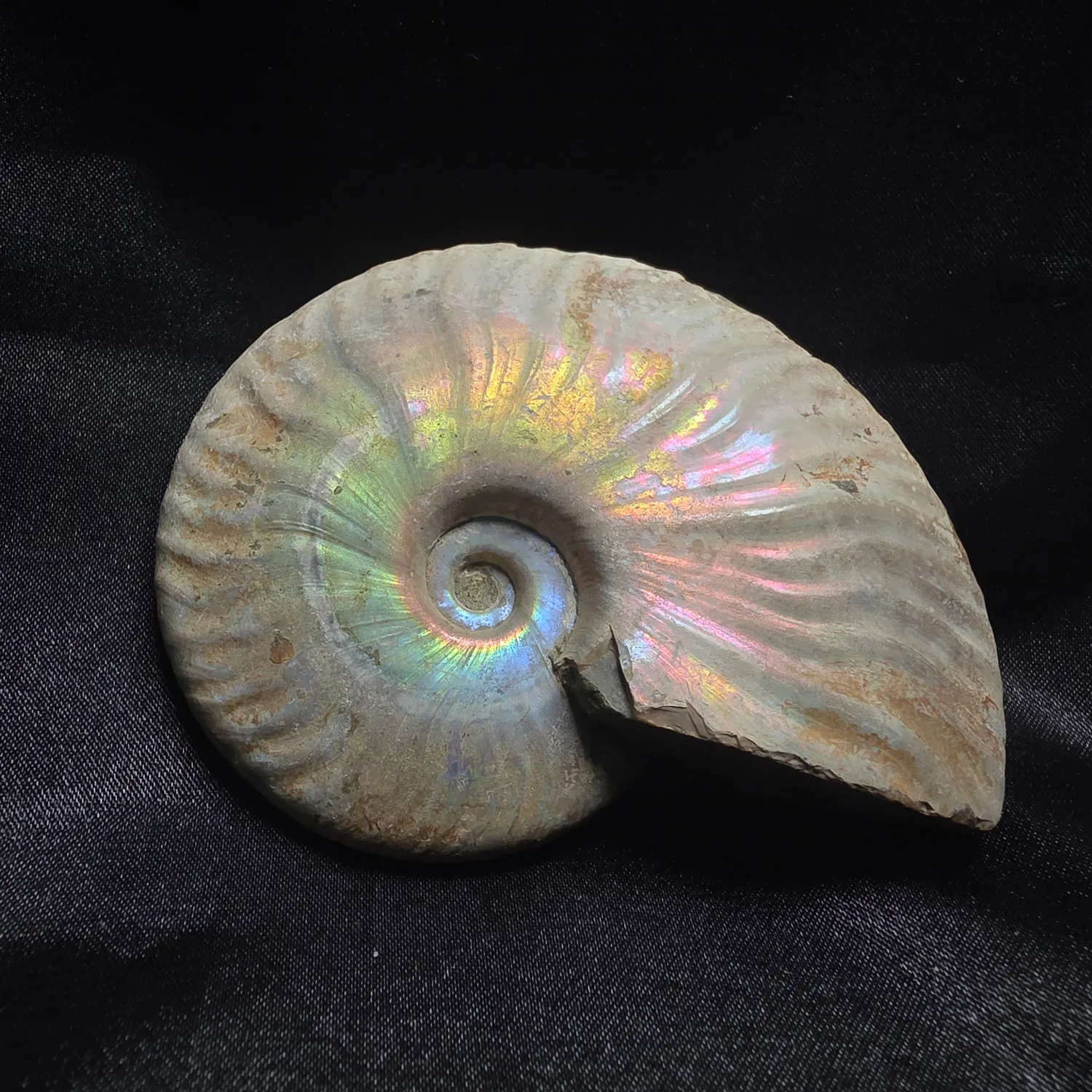
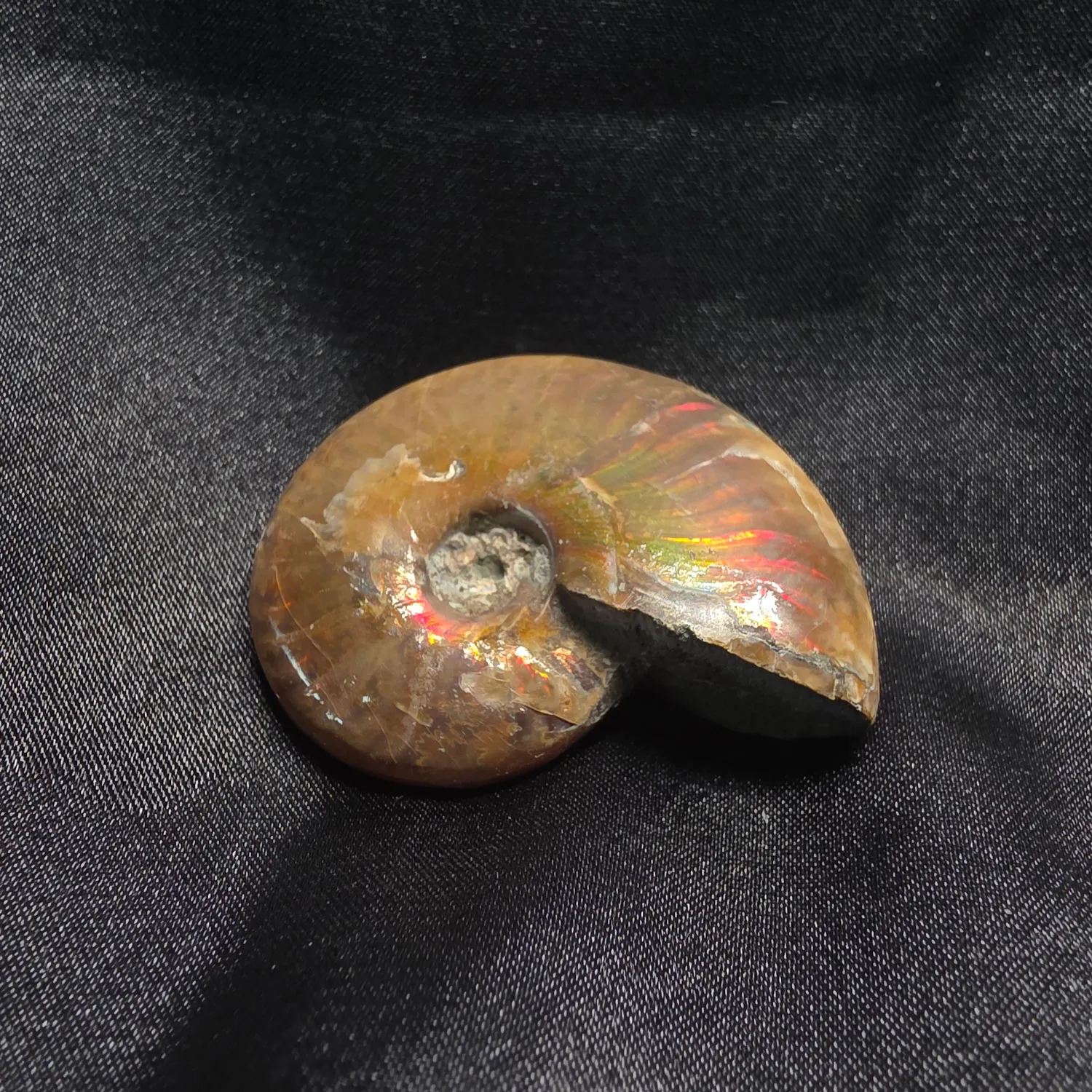
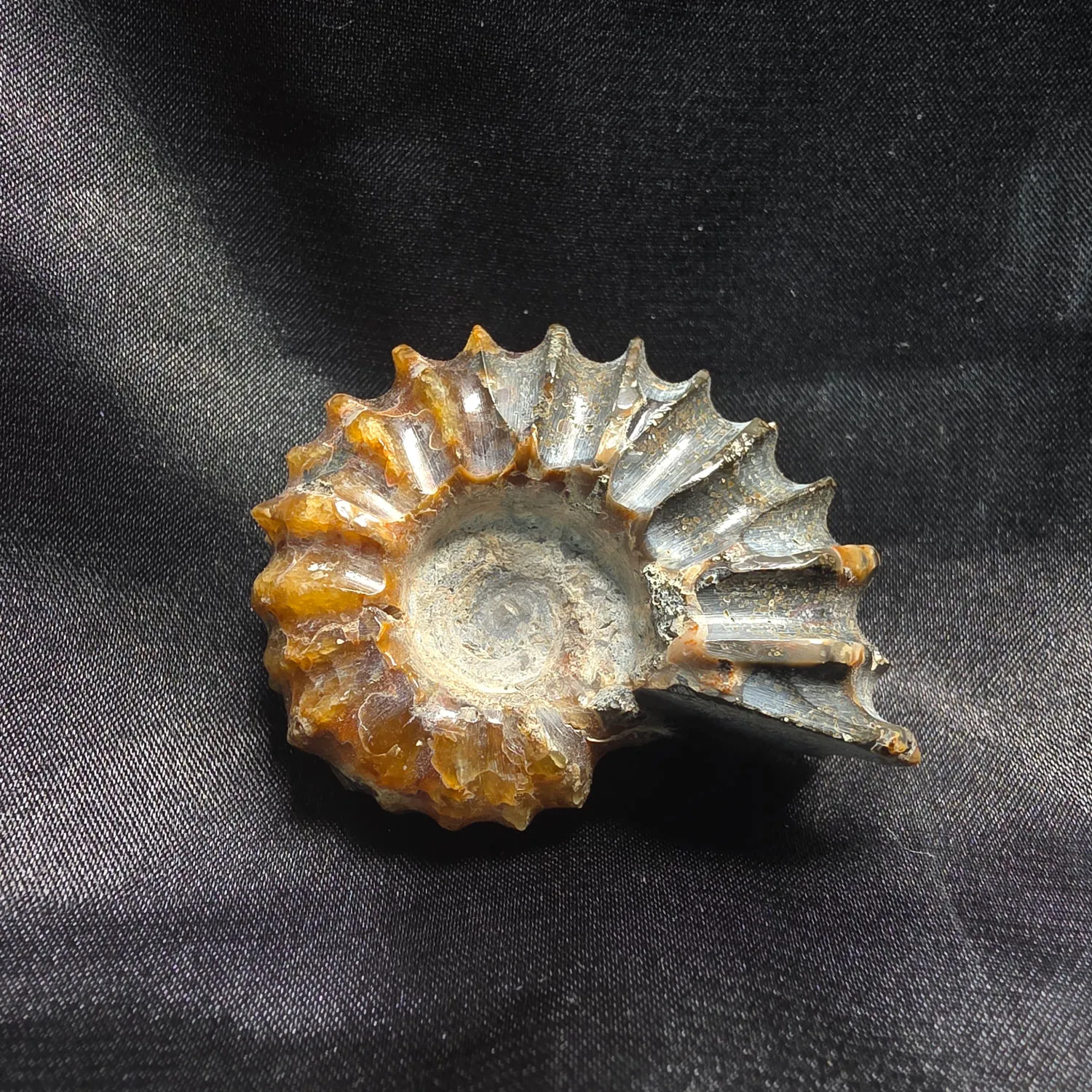
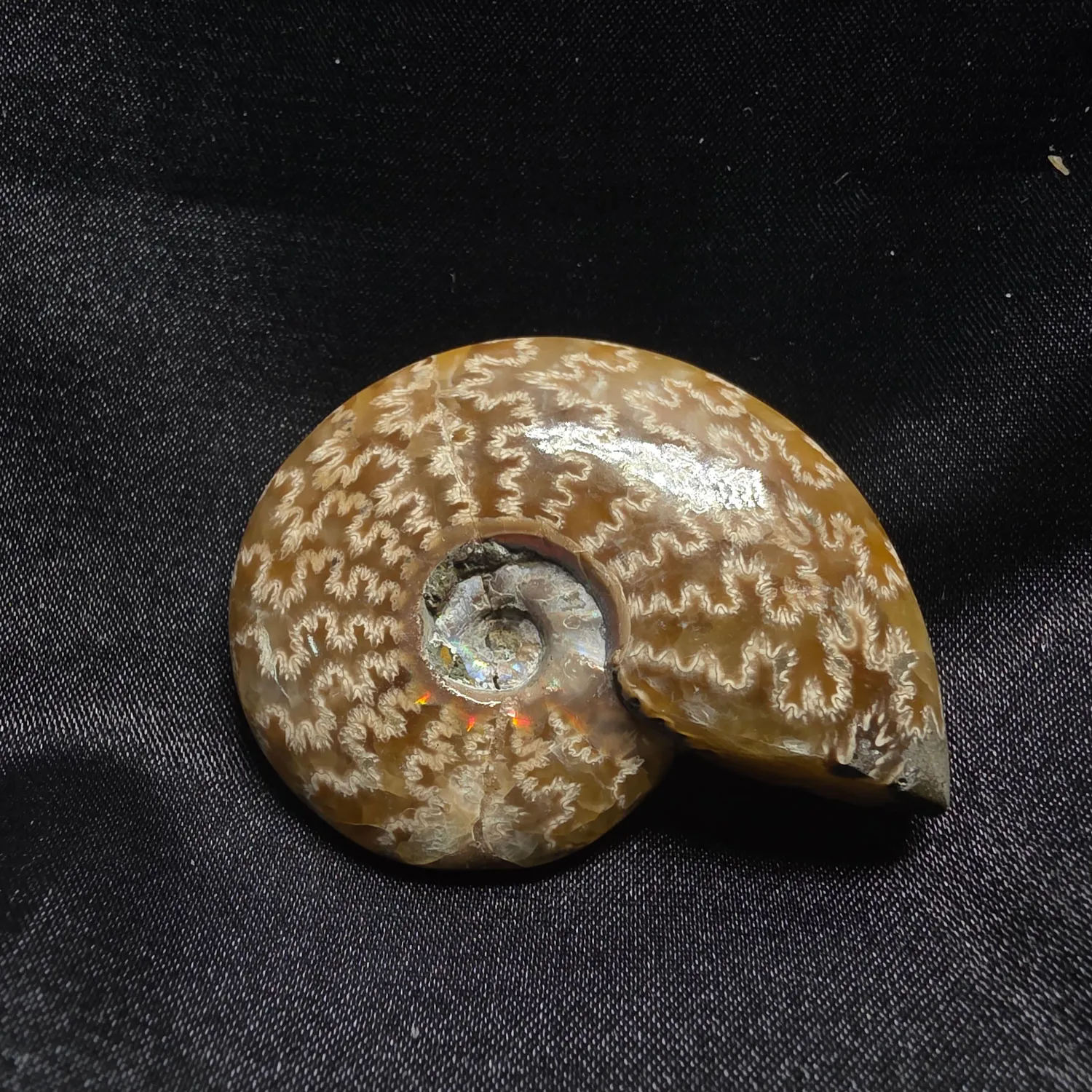
Few pieces connect us to the Earth's distant past quite like a fossilized ammonite. Its perfect spiral, its mineral texture, and the fact that you're holding an animal that swam more than 100 million years ago make it one of the most sought-after fossils among collectors. But to understand why they're so special, we first need to understand what a fossil actually is.
In one sentence: a fossilized ammonite is the mineralized remains of an extinct marine mollusk, transformed into rock over millions of years while preserving the exact shape of the original animal.
What Is a Fossil?
A fossil is the remains or trace of a living being that has been preserved in rock through a process that can take thousands or millions of years. It isn't the original organism as such: in most cases, its original materials have gradually dissolved or been replaced by minerals, in a process known as mineralization or permineralization.
For this to happen, the organism must be buried quickly under sediment (sand, mud, ash), away from oxygen and from the organisms that would decompose it. Over time, mineral-rich water filters through those remains and gradually replaces the original material, atom by atom, with minerals such as calcite, silica, or pyrite.
A mineral copy. In many fossils, not a trace of the original organic material remains: what we're holding is a rock replica, formed mineral by mineral in the very place where the animal died and was buried.

 670-61-16-63 cmd@cristalljoia.com In the heart of Barcelona and online