
 670-61-16-63 cmd@cristalljoia.com In the heart of Barcelona and online
Shopping Cart
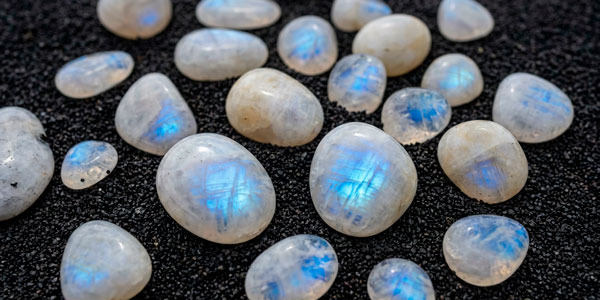
Mysteries of moonstone's blue sheen
It's not magic, it's physics. That glow that seems to "float" in moonstone is called adularescence.
Read more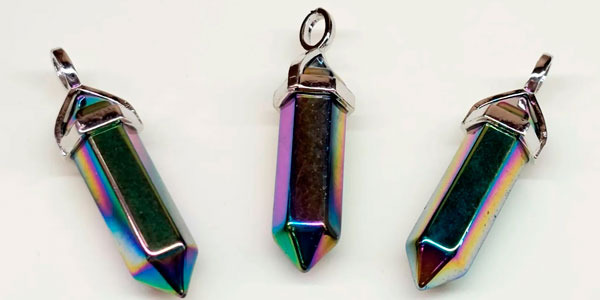
What are aqua aura type minerals
Aqua aura quartz takes centuries to form... and only minutes to change colour. We tell you what's behind its shimmering reflections.
Read more
The stone that guided the Vikings across the sea
No compass, no GPS, no direct view of the sun. Just a transparent crystal that revealed its position.
Read more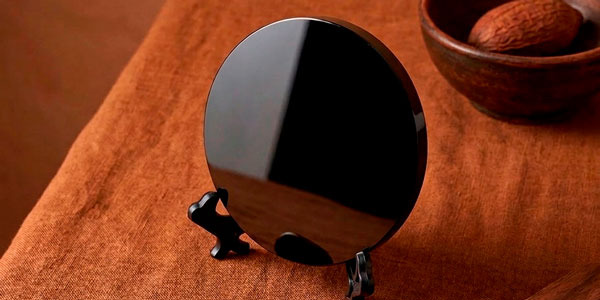
Obsidian in pre-Columbian culture
Obsidian isn't a mineral, but a volcanic glass that Mesoamerican cultures turned into a tool, weapon, ritual mirror and symbol of status.
Read more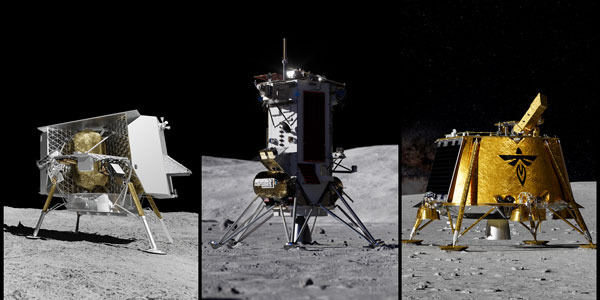
Moon Minerals
Discover Moon minerals: from Apollo 11 lunar basalt to meteorites that fell on Earth.
Read more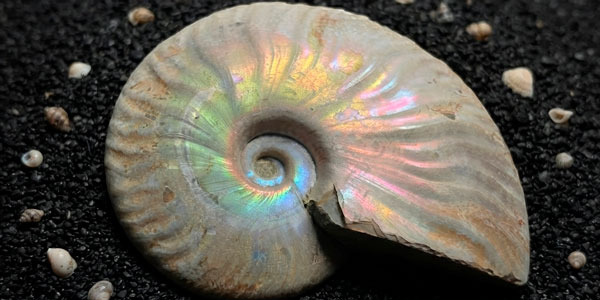
Fossilized Ammonites: The Spiral That Survived Time
Discover what fossils are, how ammonites form, and why some shine with iridescent colors. Featuring specimens from Madagascar.
Read more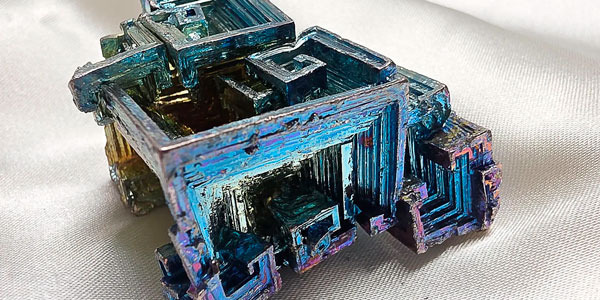
Bismuth, the laboratory-grown crystal
Discover the geometric bismuth made with heat, time and pure physics.
Read more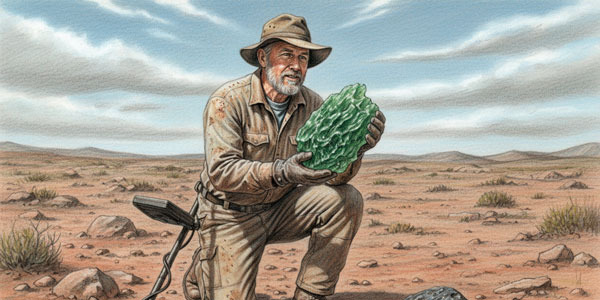
Moldavite: not a meteorite, not a mineral. What is it really?
Not a meteorite, not a mineral: discover what moldavite really is and why none has formed in 15 million years.
Read more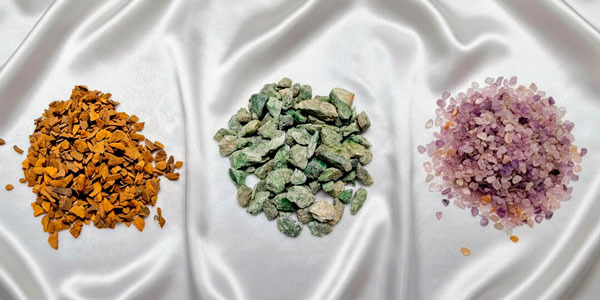
Violet, green, red, blue... what determines a mineral's colour?
Why amethyst is violet and opal shimmers: the colour of minerals, explained.
Read more
Shape tells the story: how to read a mineral by its crystal habit
Learn to read a mineral by its outer shape: what crystal habit tells you about how, where and how fast each stone formed.
Read more